Shandong HeadPowder Engineering Co., Ltd. specializes in the design, manufacturing, and installation of advanced white powder material handling systems. The company, commonly known as HeadPowder, is headquartered in Shandong, China, and has established itself as a leading provider of reliable and efficient material handling solutions tailored to the needs of the food, pharmaceutical, and chemical industries.
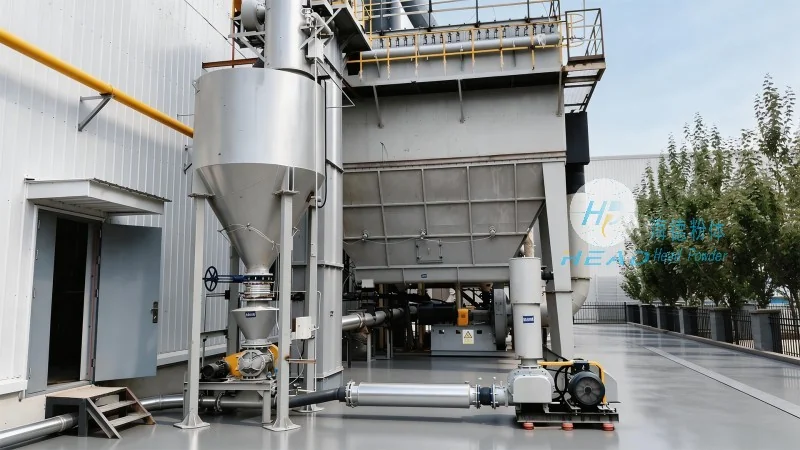
Overview of White Powder Material Handling Systems
White powder material handling systems are critical components in many industrial processes, enabling the safe and efficient movement of bulk white powders, such as flour, starch, and other fine powders, from storage to processing or packaging areas. These systems are engineered to handle materials with specific characteristics, including low bulk density, fine particle size, and potential dust generation. The primary goal is to minimize material loss, prevent contamination, and ensure consistent flow rates, which are essential for maintaining product quality and operational efficiency.
Key Components of the Conveying System
The operation of a white powder material handling system involves several key components that work in tandem to achieve smooth and reliable material transport. These components typically include hoppers for material storage, feeders to control the flow rate, conveyors (such as screw conveyors, pneumatic conveyors, or belt conveyors) for transporting the material, and control systems to monitor and regulate the entire process. Each component plays a crucial role in ensuring the system operates efficiently and safely.
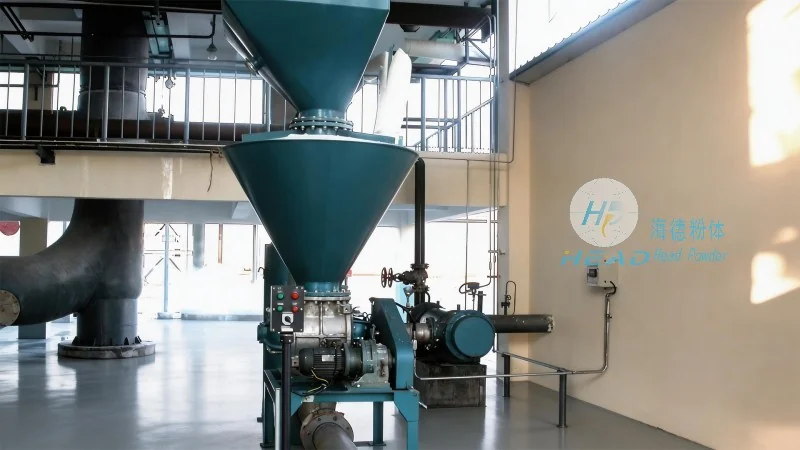
Operation Process of the Material Handling System
The operation process of a white powder material handling system begins with the loading of the white powder into the hopper. The material is then fed into the conveyor system through a feeder, which controls the flow rate to match the requirements of the downstream process. The conveyor transports the material to the desired location, such as a processing line or a packaging station. Throughout the process, the system is monitored by sensors and control devices to detect any abnormalities, such as blockages or variations in flow rate, and to adjust the operation accordingly. This real-time monitoring ensures that the system operates within optimal parameters, minimizing downtime and maximizing productivity.
Working Principle of the Conveying Mechanism
The working principle of the conveying mechanism in a white powder material handling system varies depending on the type of conveyor used. For example, screw conveyors use a rotating screw to push the material forward, while pneumatic conveyors use air pressure to transport the material through a pipeline. Belt conveyors, on the other hand, use a moving belt to carry the material along a path. Each mechanism is designed to handle the specific characteristics of white powders, such as their fine particle size and low bulk density, to ensure efficient and reliable transport. The choice of conveying mechanism depends on factors such as the material's properties, the distance to be covered, and the required flow rate.
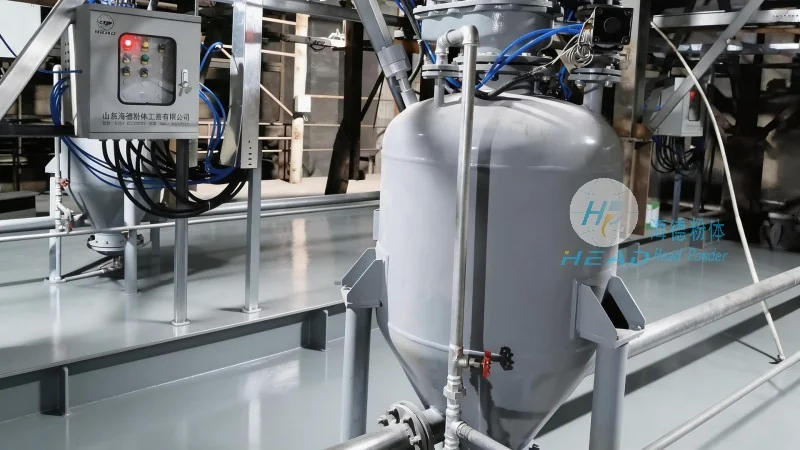
Advantages of White Powder Material Handling Systems
White powder material handling systems offer several advantages over traditional manual handling methods. These systems improve operational efficiency by automating the material transport process, reducing labor costs and minimizing human error. They also enhance product quality by preventing contamination and ensuring consistent flow rates, which is critical for maintaining the purity and quality of white powders used in food and pharmaceutical applications. Additionally, these systems improve workplace safety by reducing the risk of dust exposure and material spills, creating a cleaner and safer working environment.
Application in Industrial Sectors
White powder material handling systems are widely used in various industrial sectors, including the food industry, pharmaceutical industry, and chemical industry. In the food industry, these systems are used to transport flour, starch, and other white powders used in baking and food processing. In the pharmaceutical industry, they are used to handle white powders used in drug manufacturing and packaging. In the chemical industry, they are used to transport white powders used in chemical synthesis and processing. The versatility of these systems makes them suitable for a wide range of applications, ensuring that they can be adapted to meet the specific needs of different industries.
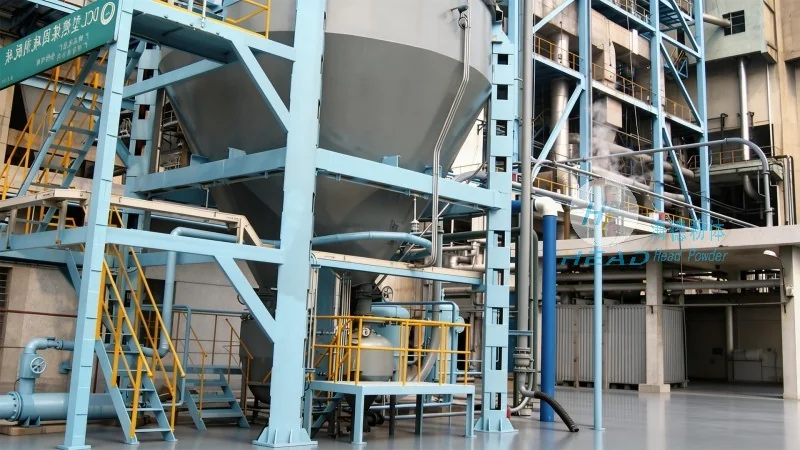
Maintenance and Troubleshooting
Regular maintenance is essential to ensure the reliable operation of white powder material handling systems. This includes cleaning the hopper and conveyor components to prevent material buildup and blockages, checking the condition of the conveyor belts or screws, and inspecting the control systems for any signs of wear or damage. Troubleshooting is also an important part of system operation, as it helps to identify and resolve any issues that may arise during the material transport process. Common issues include blockages, variations in flow rate, and equipment malfunctions, which can be addressed through proper maintenance and timely repairs.
Future Developments in Material Handling Technology
As technology advances, white powder material handling systems are becoming more sophisticated and efficient. New technologies, such as automated control systems, sensor-based monitoring, and advanced materials, are being integrated into these systems to improve their performance and reliability. These developments are expected to further enhance the efficiency and safety of material handling processes, making them even more suitable for modern industrial applications. The continued innovation in material handling technology will likely lead to the development of more advanced and versatile systems that can meet the evolving needs of the industry.




