Understanding the operation process and working principle of cotton material conveying systems is crucial for optimizing industrial efficiency in textile processing and agricultural material handling. These systems are designed to transport cotton efficiently from one stage of processing to another, ensuring smooth workflow and minimal material loss. The following sections will delve into the key components, operational steps, and underlying principles that govern the functionality of such systems. HeadPowder, a leading provider of engineering solutions for material handling, specializes in designing and manufacturing high-quality cotton material conveying systems tailored to meet the specific needs of textile and agricultural industries.
Key Components of Cotton Material Conveying Systems
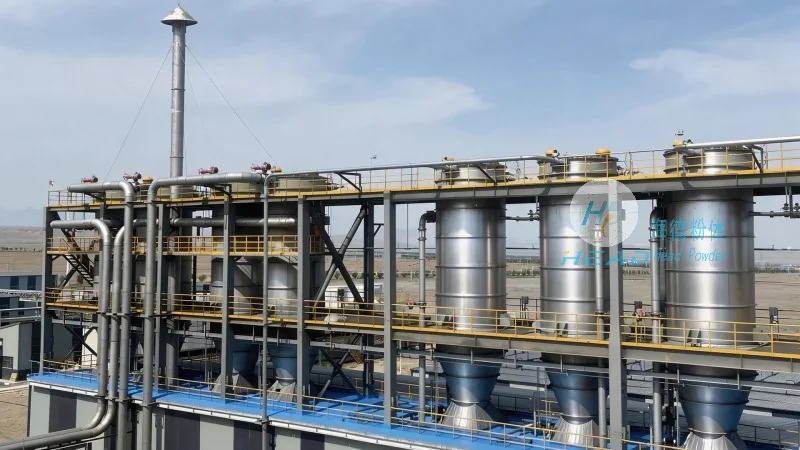
The effectiveness of a cotton material conveying system relies on several critical components that work in tandem to ensure reliable operation. These include feed mechanisms, conveyor belts or rollers, control systems, and material handling accessories. The feed mechanism is responsible for introducing raw cotton into the system, while the conveyor component transports the material through the processing line. Control systems, often integrated with sensors and automation technology, monitor the flow and adjust parameters as needed to maintain optimal performance. Material handling accessories, such as hoppers, chutes, and sorting devices, help manage the movement and distribution of cotton throughout the system.
Step-by-Step Operation Process
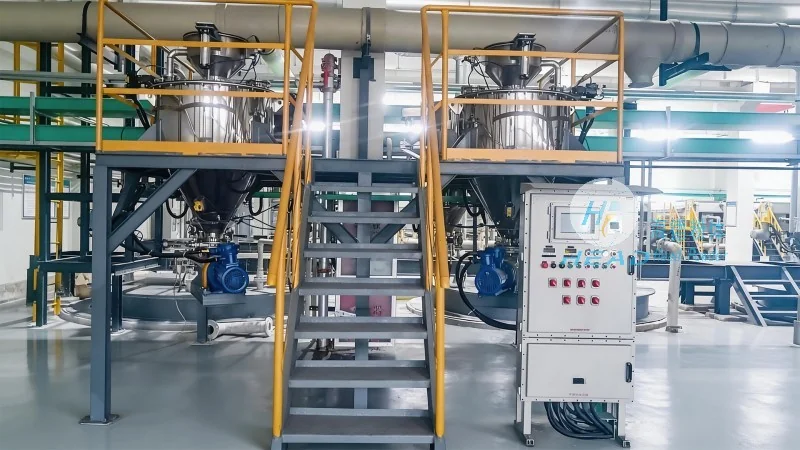
The operation of a cotton material conveying system typically follows a structured sequence of steps, each designed to enhance the efficiency and accuracy of material transport. The process begins with the raw cotton being loaded into a hopper or storage bin. From there, the material is fed into the conveyor system via a feed mechanism, which may include a rotary valve or a belt feeder. As the cotton moves along the conveyor, it is transported to the next processing stage, such as cleaning, baling, or packaging. The conveyor system may feature adjustable speed controls to accommodate different material types and processing requirements. At each stage, sensors and control units monitor the flow rate and adjust the conveyor speed to maintain a consistent throughput. The final stage involves the delivery of processed cotton to the end destination, such as a baling press or a storage area.
Working Principle of the Conveying Mechanism
The working principle of cotton material conveying systems is based on mechanical energy transfer and material handling technology. The core mechanism involves the use of conveyor belts or rollers that move the cotton through the system. The conveyor may be powered by electric motors, which drive the rollers or the belt, creating the necessary force to move the material. The design of the conveyor system, including the angle of inclination and the surface texture, is critical in determining the efficiency of material transport. For example, a belt conveyor with a slight incline can help gravity assist in moving the cotton, reducing the energy required from the motor. Additionally, the use of friction-based systems ensures that the cotton remains in contact with the conveyor surface, preventing slippage and ensuring consistent movement.
Control and Automation in Modern Systems
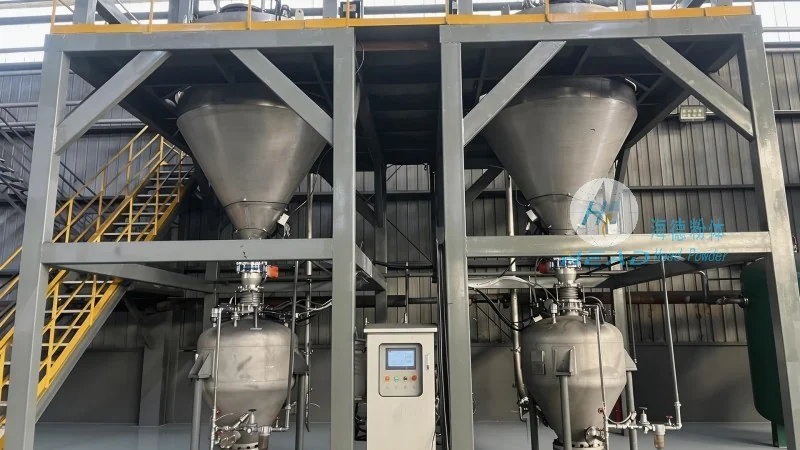
Modern cotton material conveying systems incorporate advanced control and automation features to enhance operational efficiency and reduce human intervention. These systems often use programmable logic controllers (PLCs) and sensors to monitor key parameters such as flow rate, temperature, and material level. The control system can adjust the conveyor speed, feed rate, and other variables in real-time based on feedback from the sensors. This automation not only improves the consistency of the conveying process but also minimizes downtime and operational errors. Additionally, some systems may include integration with other processing equipment, allowing for a seamless workflow from cotton intake to final product output. The use of automation also enhances safety by reducing the need for manual handling of heavy or bulky cotton bales.
Maintenance and Operational Considerations
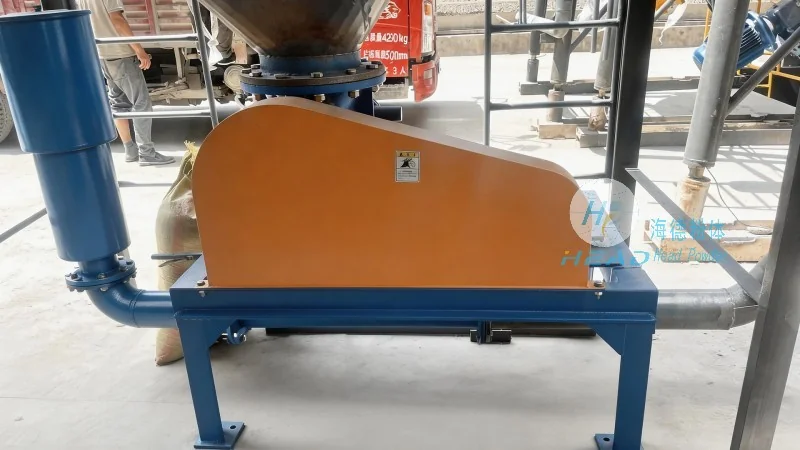
Proper maintenance is essential to ensure the long-term reliability and efficiency of cotton material conveying systems. Regular inspections of conveyor belts, rollers, and drive mechanisms are necessary to identify and address potential issues before they lead to system failures. Lubrication of moving parts, cleaning of the conveyor surface, and checking for wear and tear are routine maintenance tasks that help prolong the lifespan of the equipment. Operational considerations also include the proper loading of the system to avoid overloading, which can cause conveyor belt damage or system inefficiencies. Additionally, training operators on the proper use of the system and emergency procedures is crucial for maintaining safe and efficient operation. By adhering to these maintenance and operational guidelines, companies can maximize the performance and longevity of their cotton material conveying systems.
Conclusion
In conclusion, cotton material conveying systems play a vital role in the efficient processing and handling of cotton materials. The operation process, which involves feed mechanisms, conveyor transport, and control systems, is designed to optimize material flow and minimize losses. The working principle, based on mechanical energy transfer and automation, ensures consistent and reliable performance. By understanding the key components and operational steps, as well as adhering to proper maintenance practices, companies can enhance the efficiency and productivity of their cotton processing operations. HeadPowder, with its expertise in engineering and material handling solutions, continues to provide innovative and reliable cotton material conveying systems that support the growth and success of its clients in the textile and agricultural sectors.




