HeadPowder, a leading provider of industrial material handling solutions, specializes in the design, manufacturing, and installation of advanced conveying systems for various industrial applications. This article focuses on the electrode dust removal material conveying system, detailing its operational process and underlying working principles to help users understand its functionality and benefits.
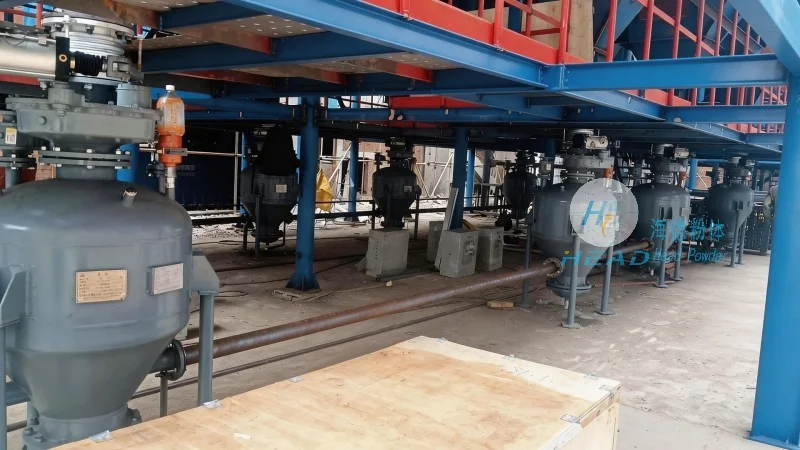
System Overview and Core Components
The electrode dust removal material conveying system is engineered to efficiently collect, transport, and manage dust and particulate materials generated during the production of calcium carbide (electrode) in industrial settings. The system typically comprises several key components, including dust collection hoppers, air filtration units, material feed mechanisms, conveying pipes or belts, and discharge chutes. Each component plays a critical role in ensuring the smooth and effective operation of the entire system.
Working Principle of the Conveying Process
The operation of the electrode dust removal material conveying system begins with the collection of dust and fine particles from the production environment. The dust is drawn into the system via an air filtration unit, which uses a combination of mechanical and filtration methods to capture the particulate matter. Once collected, the material is transferred to a material feed mechanism, such as a screw conveyor or a rotary valve, which then feeds the material into the conveying section of the system.
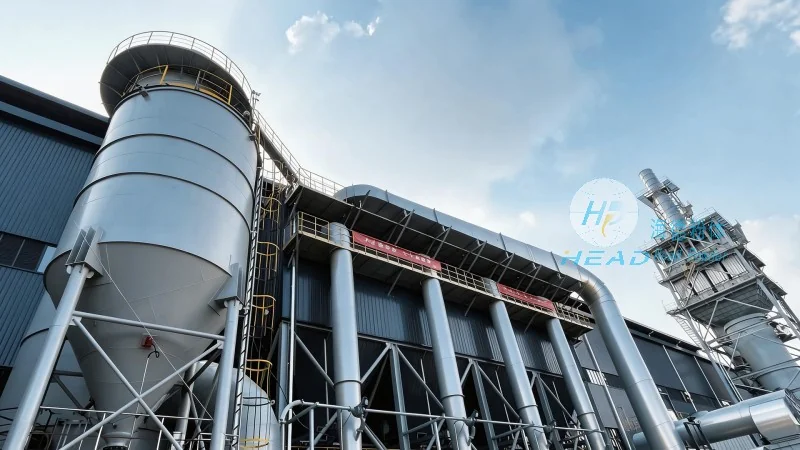
The conveying section utilizes either pneumatic or mechanical means to transport the material through the system. Pneumatic conveying systems employ compressed air to move the material through pipes, while mechanical systems use belts, chains, or screws to transport the material. The choice of conveying method depends on factors such as the material's properties, the distance to be covered, and the required flow rate. In the case of the electrode dust removal system, a combination of both methods may be employed to optimize performance and efficiency.
Key Operational Steps and Process Flow
The operational process of the electrode dust removal material conveying system can be broken down into several sequential steps, each designed to ensure the effective handling of the material from collection to final discharge. The first step involves the initial dust collection, where the system captures the dust generated during the production process. This is typically achieved through a dust collector or an air filtration unit, which removes the particulate matter from the air stream.
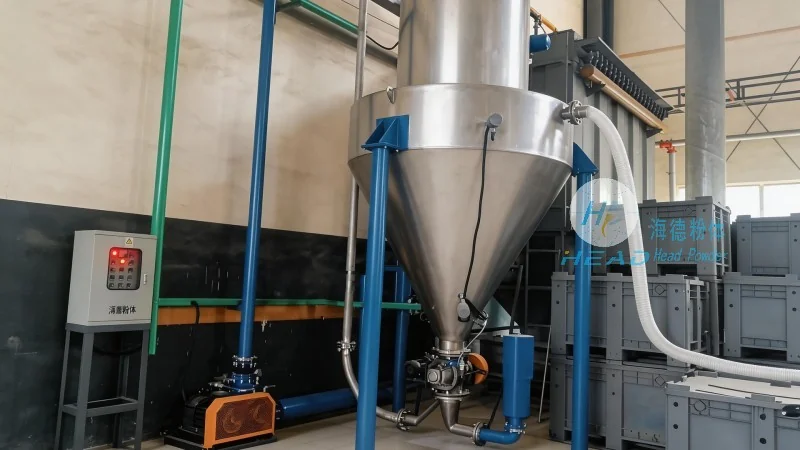
Following the collection, the material is transferred to a storage hopper or a feed mechanism. The feed mechanism then regulates the flow of material into the conveying system, ensuring a consistent and controlled supply. The material is then conveyed through the system's pipes or belts to the discharge point, where it is collected and either reused or disposed of according to industrial standards.
Advantages and Benefits of the System
The electrode dust removal material conveying system offers several advantages that make it an essential component in industrial production facilities. Firstly, it significantly improves workplace safety by effectively removing dust and particulate matter from the air, reducing the risk of respiratory illnesses and other health hazards associated with exposure to airborne contaminants. Secondly, the system enhances operational efficiency by minimizing downtime caused by dust accumulation and blockages, ensuring continuous and smooth production processes.
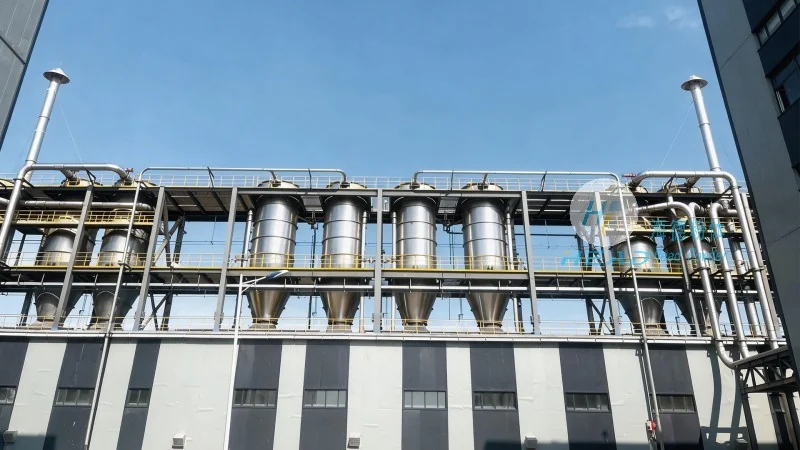
Additionally, the system promotes environmental compliance by adhering to strict emission standards, helping companies meet regulatory requirements and maintain a positive environmental reputation. The efficient handling of dust and material also reduces waste and optimizes resource utilization, contributing to cost savings and improved overall operational performance.
Application and Industry Impact
The electrode dust removal material conveying system is widely used in various industrial sectors, particularly in the production of calcium carbide and other chemical products. Its effectiveness in managing dust and material has made it a critical tool for maintaining a clean and safe working environment. By integrating this system into their operations, companies can improve productivity, reduce maintenance costs, and enhance their overall operational capabilities.




