Shandong HeadPowder Engineering Co., Ltd. specializes in the design, manufacturing, and implementation of advanced polyacrylamide material handling systems. These systems are engineered to efficiently transport polyacrylamide, a critical chemical widely used in water treatment, paper manufacturing, and mining industries. The operation process and working principle of such systems are fundamental to their effectiveness and reliability in industrial applications.
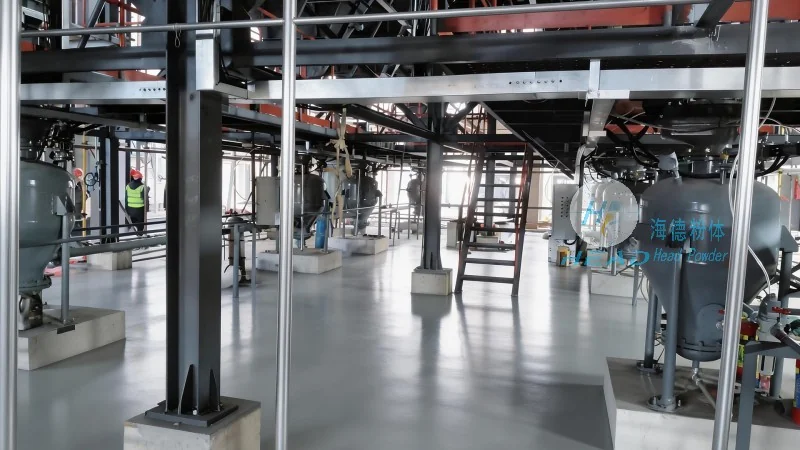
Key Components of the Material Handling System
The polyacrylamide material handling system typically consists of several key components that work in concert to ensure smooth and efficient operation. These components include feed hoppers, conveyor belts or screw conveyors, pumps (often centrifugal or positive displacement), storage tanks, and control panels. Each component plays a vital role in the overall system performance, from material intake to final discharge. The feed hopper is designed to hold and regulate the flow of polyacrylamide powder or granules, preventing overloading and ensuring a consistent feed rate. Conveyor belts or screw conveyors then transport the material from the hopper to the processing unit. Pumps are crucial for transferring liquid polyacrylamide solutions, providing the necessary pressure and flow rate to move the material through pipelines or to mixing tanks. Storage tanks are used to hold larger quantities of polyacrylamide, allowing for continuous operation and reducing downtime due to material replenishment. Control panels integrate sensors, valves, and automation systems to monitor and control the entire process, ensuring safety, efficiency, and compliance with operational parameters.
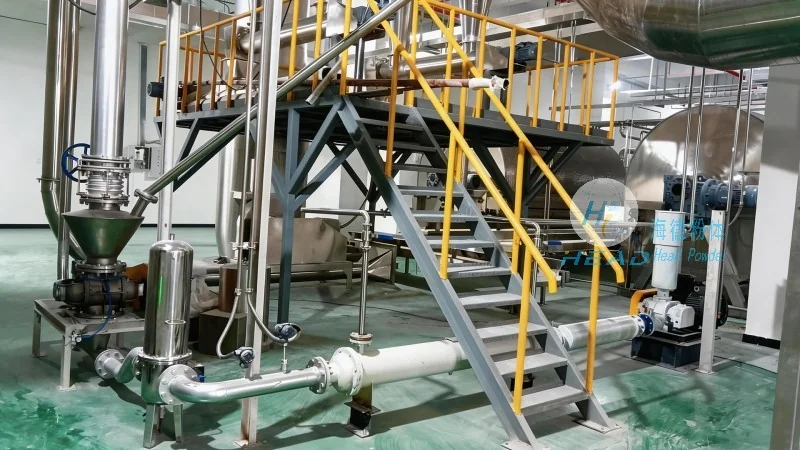
Operation Process of the Polyacrylamide Material Handling System
The operation process of a polyacrylamide material handling system involves several sequential steps that are carefully coordinated to maintain optimal performance. The process begins with the loading of polyacrylamide into the feed hopper. The hopper is equipped with level sensors that detect the material level and signal the control system when it needs to be refilled. Once the hopper is filled, the system initiates the feeding process. The material is then transferred to the conveyor system, which moves it to the pump or processing unit. For solid polyacrylamide, the conveyor may be a screw conveyor that gradually pushes the material forward. For liquid solutions, the pump draws the material from the storage tank and pumps it through the system. The control panel monitors the flow rate, pressure, and temperature of the material, adjusting the system parameters as needed to maintain stable operation. During the operation, the system continuously checks for any blockages or abnormalities, such as clogs in the conveyor or pump issues, and triggers alarms or automatic shutdowns if necessary. The entire process is designed to be automated, minimizing human intervention and ensuring consistent performance. The system operates continuously, with regular maintenance checks to ensure all components are functioning correctly. This continuous operation is essential for industrial applications where a steady supply of polyacrylamide is required for production processes.
Working Principle of the Polyacrylamide Material Handling System
The working principle of a polyacrylamide material handling system is based on the principles of fluid dynamics and mechanical transport. For solid polyacrylamide, the system relies on gravity and mechanical force to move the material. The feed hopper provides a controlled feed rate, and the conveyor system uses friction and rotation to transport the material. The screw conveyor, for example, has a rotating helical blade that pushes the material forward, ensuring a steady flow. For liquid polyacrylamide solutions, the system uses hydraulic pressure generated by the pump. The pump converts electrical energy into mechanical energy, creating a pressure differential that moves the liquid through the system. The pressure and flow rate are controlled by the pump's design and the system's control panel. The storage tank acts as a reservoir, maintaining a constant pressure and volume of the liquid, which helps to stabilize the flow. The control panel integrates sensors that measure pressure, flow, and temperature, providing real-time data to the system's control algorithms. These algorithms adjust the pump speed or valve positions to maintain the desired flow rate and pressure. The system's working principle also includes safety features, such as pressure relief valves and emergency stop buttons, to prevent overpressure and ensure operator safety. The overall working principle is designed to be efficient, reliable, and safe, enabling the system to handle polyacrylamide in various forms (solid or liquid) with minimal energy consumption and maximum throughput.
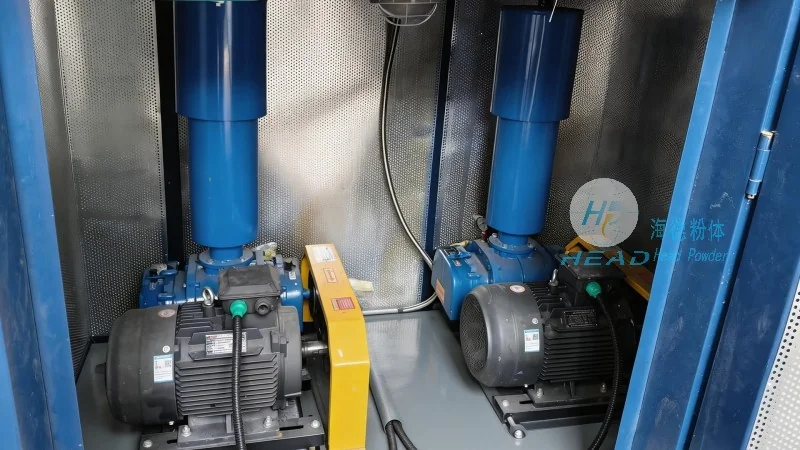
Applications and Benefits of the Polyacrylamide Material Handling System
Polyacrylamide material handling systems are widely used in various industrial sectors due to their efficiency and versatility. In the water treatment industry, these systems transport polyacrylamide used for flocculation and coagulation processes, helping to remove suspended solids and improve water quality. In the paper manufacturing industry, polyacrylamide is used as a wet strength resin and a retention aid, and the material handling system ensures a consistent supply of the chemical to the papermaking process. In the mining industry, polyacrylamide is used for slurry dewatering and ore processing, and the system helps to transport the material efficiently from the mining site to the processing plant. The benefits of using such a system include improved operational efficiency, reduced downtime, and enhanced safety. The automated control system minimizes human error and ensures consistent performance, leading to higher productivity and lower maintenance costs. The system's design also allows for easy integration with existing industrial processes, making it a cost-effective solution for upgrading or expanding material handling capabilities. Additionally, the system's reliability reduces the risk of material spills or leaks, which is crucial for environmental compliance and operational safety. Overall, the polyacrylamide material handling system is a critical component in modern industrial operations, enabling the efficient and safe transport of polyacrylamide for various applications.




