Vacuum negative pressure material conveying equipment is a specialized system designed to transport bulk materials over long distances or through complex pathways. This technology utilizes a vacuum environment to create a pressure differential that draws materials from a source to a destination. The system is widely used in industries such as food processing, pharmaceuticals, and chemical manufacturing, where maintaining material integrity and preventing contamination is critical. Manufactured by Shandong HeadPowder Engineering Co., Ltd., commonly known as headpowder, this equipment combines advanced engineering with robust construction to ensure reliable performance in demanding applications.
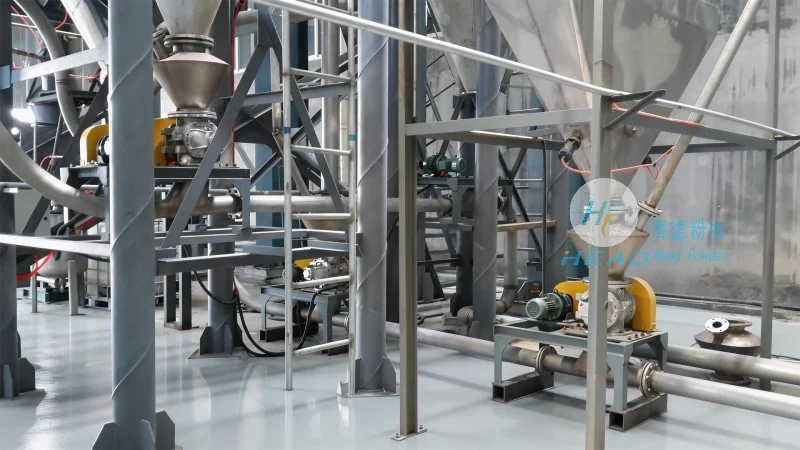
Working Principle of the Vacuum Conveying System
The core of the vacuum negative pressure material conveying equipment lies in its ability to generate a negative pressure (vacuum) at the intake point. This is achieved through a vacuum pump or a series of fans that create a pressure lower than the ambient air pressure. As the intake port is activated, the pressure differential causes the surrounding air and attached bulk material to be drawn into the system. The material is then transported through a pipeline network, where it is separated from the air and deposited at the discharge point. The system typically includes components such as a vacuum pump, intake nozzle, filter, and discharge valve, all working in tandem to ensure efficient material transfer.
Step-by-Step Operation Process
The operation of vacuum negative pressure material conveying equipment follows a systematic sequence to ensure safe and efficient material handling. The process begins with the preparation phase, where the source container is positioned and the intake nozzle is aligned with the material. Next, the vacuum pump is activated, creating the necessary negative pressure. As the pump runs, the material is drawn into the intake port and travels through the pipeline. The material is then separated from the air at the filter, where dust and particles are removed before being discharged into the receiving container. The system is designed to operate continuously, with the pump running until the material is fully transferred. After the transfer is complete, the vacuum is shut off, and the system is prepared for the next cycle.
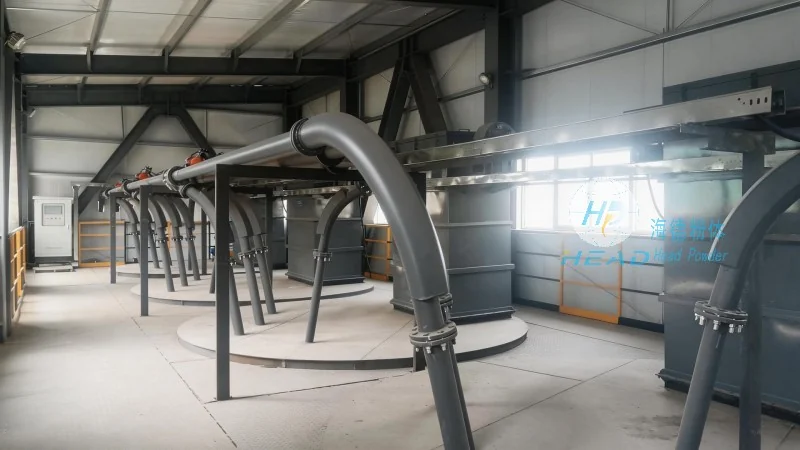
Key Components and Their Functions
Several critical components contribute to the effective operation of vacuum negative pressure material conveying equipment. The vacuum pump is the primary driver, generating the necessary pressure differential. The intake nozzle is responsible for drawing material from the source, and its design can be customized to handle different material types and sizes. The filter plays a crucial role in maintaining material purity by removing contaminants from the air stream. The pipeline network, often made of stainless steel or other corrosion-resistant materials, ensures the material is transported without degradation. The discharge valve controls the release of material at the destination, preventing backflow and ensuring accurate dosing. Each component is engineered to work together seamlessly, minimizing downtime and maximizing throughput.
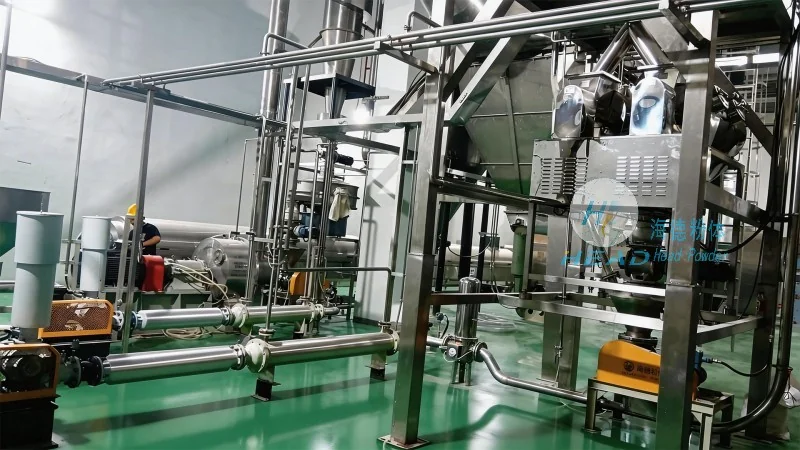
Advantages of Using Vacuum Conveying Systems
Vacuum negative pressure material conveying equipment offers several advantages over traditional conveying methods. One of the most significant benefits is the ability to handle fine powders and granules without the need for mechanical agitation, which can cause material degradation or segregation. The system also provides a closed environment, reducing the risk of dust emissions and contamination. Additionally, vacuum conveying can transport materials over longer distances and through complex layouts, such as vertical lifts or horizontal curves, with minimal energy consumption. The gentle handling of materials ensures that sensitive products, such as pharmaceuticals or food ingredients, are not damaged during transfer. For industries requiring high-purity and hygienic processes, this equipment is an ideal solution.
Applications in Various Industries
The versatility of vacuum negative pressure material conveying equipment makes it suitable for a wide range of applications across different sectors. In the food industry, it is used to transport ingredients like flour, sugar, and spices from storage to processing lines, maintaining food safety standards. In the pharmaceutical sector, the system is employed to handle active pharmaceutical ingredients (APIs) and excipients, ensuring that the materials remain sterile and free from contamination. The chemical industry utilizes vacuum conveying for transporting powders like pigments, catalysts, and reagents, where precise dosing and material integrity are essential. Other applications include the handling of agricultural products, such as grains and seeds, and industrial materials like plastics and ceramics. The adaptability of the system allows it to be customized to meet the specific requirements of each application, making it a reliable choice for diverse industries.




