For industrial applications involving the handling of sintered dust materials, efficient and reliable conveying equipment is essential. This article provides a detailed overview of the operation process and working principle of sintered dust material conveying equipment, highlighting the key components, operational steps, and technical aspects that contribute to its effectiveness. The information is presented by Shandong HeadPowder Engineering Co., Ltd., a leading provider of material handling solutions based in China.
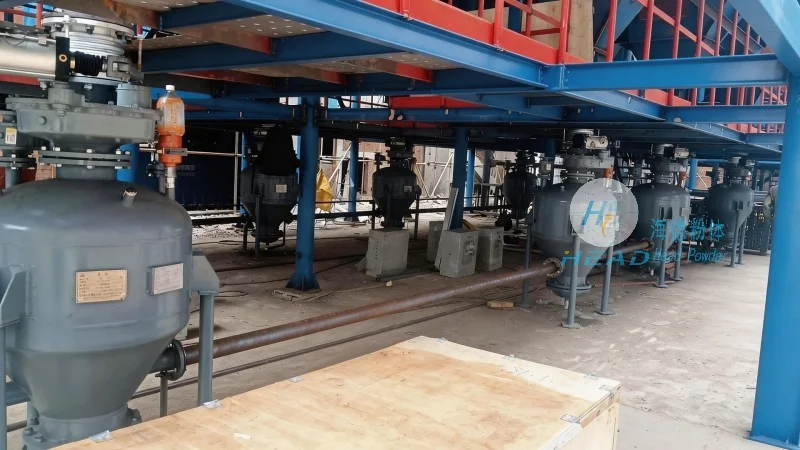
Introduction to Sintered Dust Material Conveying Equipment
Sintered dust, often generated in industrial processes such as sintering, is a fine particulate material that requires specialized equipment for safe and efficient transportation. The conveying equipment designed for sintered dust must address challenges like dust explosion risks, material abrasiveness, and the need for low maintenance. Shandong HeadPowder Engineering Co., Ltd. specializes in developing advanced systems tailored to these specific requirements, ensuring compliance with safety standards and optimal performance.
Key Components and Their Functions
The sintered dust material conveying equipment typically consists of several critical components, each playing a vital role in the overall system. These components include a feeding mechanism, a conveying unit (such as a screw conveyor or pneumatic system), a dust collection system, and control panels. The feeding mechanism ensures that the sintered dust is properly introduced into the system, while the conveying unit transports the material to its destination. The dust collection system is crucial for maintaining air quality and preventing dust dispersion. Control panels allow operators to monitor and adjust the system parameters for optimal performance.
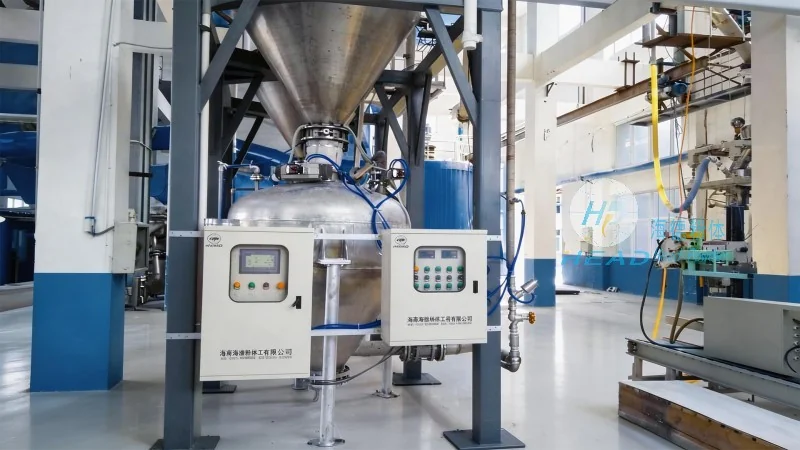
Operation Process of the Conveying System
The operation process of the sintered dust material conveying equipment begins with the feeding of the sintered dust into the system. The material is then transported through the conveying unit, which may involve mechanical or pneumatic action. For example, a screw conveyor uses rotating screws to move the material forward, while a pneumatic system employs compressed air to carry the dust particles. The system is designed to handle varying material loads and flow rates, ensuring consistent and reliable operation. The control panel allows operators to adjust the speed and pressure settings to match the material characteristics and process requirements.
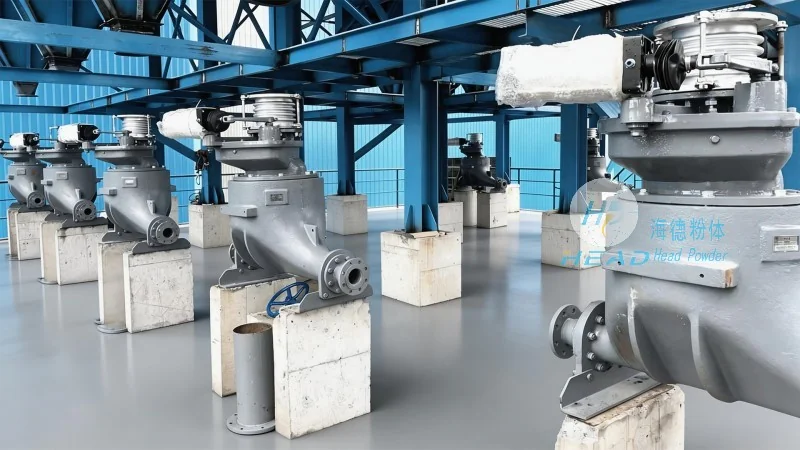
Working Principle Explained
The working principle of the sintered dust material conveying equipment is based on the principles of material flow and air movement. In mechanical conveying systems, the material is moved by the rotation of screws or belts, which creates a continuous flow. The screw conveyor, for instance, uses helical screws to push the material forward, while the material's friction against the screw surface provides the necessary force. In pneumatic conveying systems, compressed air is used to create a flow of air and dust particles, which transports the material through the system. The air velocity and pressure are carefully controlled to ensure that the dust particles are carried without causing blockages or excessive wear on the system components.
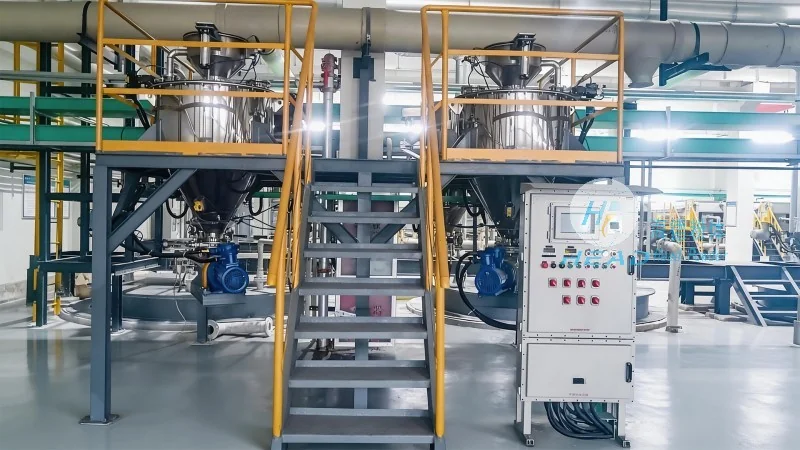
Technical Advantages and Applications
Shandong HeadPowder Engineering Co., Ltd.'s sintered dust material conveying equipment offers several technical advantages, including high efficiency, low maintenance, and compliance with safety regulations. The equipment is designed to handle abrasive and fine materials, reducing wear and extending the lifespan of components. It also features advanced dust collection systems that minimize environmental impact and ensure workplace safety. The conveying systems are widely used in various industries, including steel production, mining, and chemical processing, where sintered dust is a byproduct of industrial processes. The equipment's adaptability allows it to be integrated into existing production lines, improving overall operational efficiency.
Conclusion
In conclusion, the operation process and working principle of sintered dust material conveying equipment are critical for ensuring efficient material handling in industrial settings. The equipment developed by Shandong HeadPowder Engineering Co., Ltd. combines advanced technology with robust design to address the unique challenges of sintered dust transportation. By understanding the key components, operation process, and working principles, industrial operators can optimize their material handling processes, enhance safety, and improve overall productivity. The company's commitment to quality and innovation ensures that its conveying equipment meets the evolving needs of the industry.




