Efficient and reliable dust handling is a critical concern in various industrial sectors, particularly those dealing with bulk materials like powders, granules, and fine particles. Pneumatic conveying systems have emerged as a preferred solution for transporting these materials over short to medium distances, offering advantages such as reduced contamination, improved safety, and the ability to handle a wide range of material types. This article provides an in-depth analysis of dust pneumatic conveying systems, focusing on their operational principles, key components, and practical applications.
Understanding Pneumatic Conveying Technology
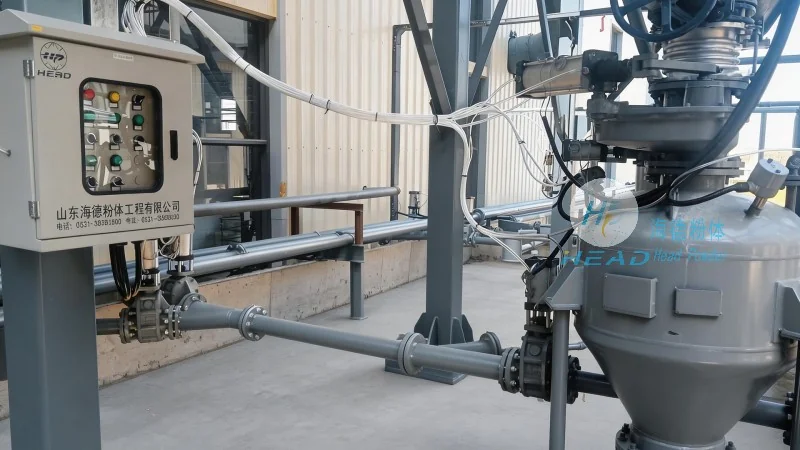
Pneumatic conveying systems utilize air or gas to transport bulk materials through a pipeline network. The process typically involves creating a pressure differential between the inlet and outlet of the system, which propels the material along the pipeline. There are two primary types of pneumatic conveying: pressure and vacuum systems. Pressure systems use compressed air to push material from a storage silo or hopper to the destination, while vacuum systems employ a vacuum to draw material from a source to a collection point. For dust and fine particles, pressure systems are often preferred due to their ability to handle high volumes and maintain consistent flow rates.
Key Components of a Dust Pneumatic Conveying System
The effectiveness of a pneumatic conveying system depends on several critical components, each designed to optimize material transport and system performance. These components include:
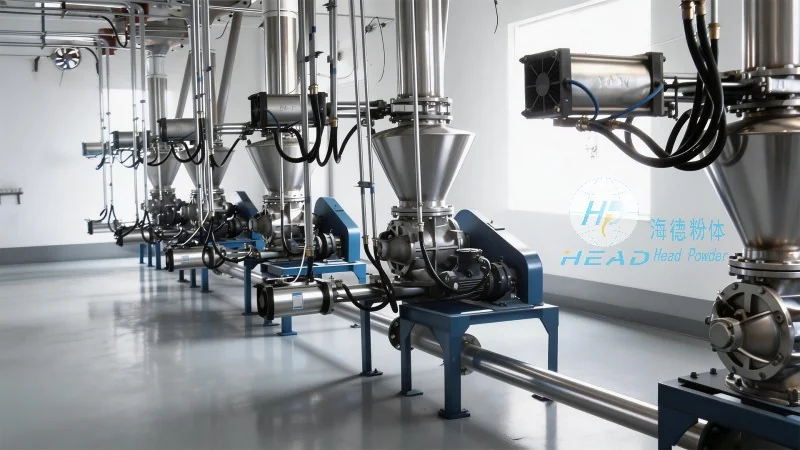
- Feeder: The feeder is responsible for feeding material into the conveying line at a controlled rate. For dust, screw feeders or rotary valves are commonly used to ensure a consistent flow without causing material degradation or blockages.
- Conveying Line: The pipeline, usually made of stainless steel or other corrosion-resistant materials, is the main pathway for material transport. The diameter and length of the line are carefully selected based on the material's characteristics and the required conveying distance.
- Separation and Collection Equipment: At the receiving end, separation equipment such as cyclones or filters is used to separate the conveyed material from the air stream. This step is crucial for maintaining material purity and preventing dust emissions into the environment.
- Control System: Modern pneumatic conveying systems are equipped with advanced control systems that monitor pressure, flow rate, and material levels in real-time. These systems help optimize operation, detect faults, and ensure safe and efficient material transport.
Applications in Industrial Settings
Dust pneumatic conveying systems are widely used across various industries, including food processing, pharmaceuticals, chemicals, and mining. In the food industry, for example, these systems are used to transport flour, sugar, and other powders from storage to processing lines, ensuring hygienic and contamination-free handling. In the pharmaceutical sector, pneumatic conveying is essential for transporting active ingredients and excipients, as it minimizes cross-contamination and maintains product integrity. Chemical manufacturers also rely on these systems to handle powders like pigments, catalysts, and reagents, while mining operations use them to transport ore and fine particles from processing plants to storage facilities.
Advantages of Dust Pneumatic Conveying Systems
Compared to traditional methods like belt conveyors or bucket elevators, pneumatic conveying systems offer several advantages that make them ideal for dust and fine particle handling:
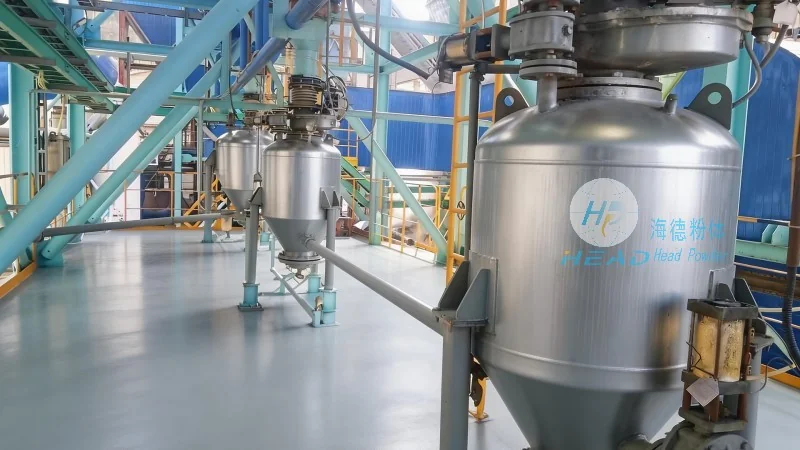
- Reduced Contamination: The enclosed pipeline system prevents dust from coming into contact with external contaminants, ensuring the material remains clean and free from impurities.
- Improved Safety: By eliminating the need for manual handling of powders, pneumatic conveying systems reduce the risk of dust explosions and respiratory hazards, enhancing workplace safety.
- Flexibility and Scalability: These systems can be easily adapted to different production requirements, with the ability to add or modify conveying lines as needed. They can also handle varying material volumes and types without significant changes to the system.
- Energy Efficiency: Modern pneumatic conveying systems are designed to be energy-efficient, with optimized air flow and pressure control that minimize energy consumption while maintaining effective material transport.
HeadPowder Engineering: Expertise in Dust Pneumatic Conveying
Shandong HeadPowder Engineering Co., Ltd., commonly known as headpowder, is a leading provider of customized dust pneumatic conveying solutions. With years of experience in the industry, the company specializes in designing, manufacturing, and installing systems tailored to the specific needs of its clients. HeadPowder's team of engineers and technicians work closely with clients to understand their material characteristics, production requirements, and operational constraints, ensuring that the final system is both efficient and cost-effective.
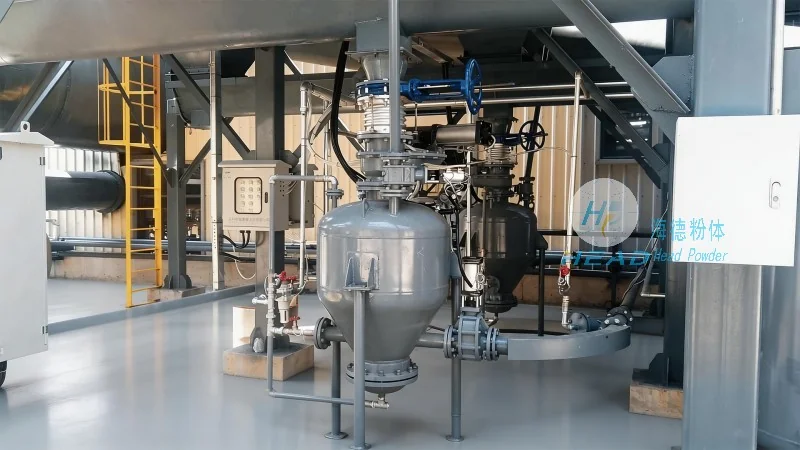
The company's approach to system design emphasizes durability, reliability, and ease of maintenance. By using high-quality materials such as stainless steel for the conveying line and advanced control systems, HeadPowder ensures that its systems can withstand the rigors of continuous operation in demanding industrial environments. Additionally, the company provides comprehensive after-sales support, including system maintenance, troubleshooting, and upgrades, to ensure long-term performance and client satisfaction.
HeadPowder's dust pneumatic conveying systems are designed to meet the highest standards of safety and environmental compliance. The systems are equipped with features such as dust collection and filtration, which help minimize emissions and comply with local regulations. This commitment to environmental responsibility, combined with the company's technical expertise, makes HeadPowder a trusted partner for businesses seeking reliable and efficient dust handling solutions.




