At Shandong HeadPowder Engineering Co., Ltd., we specialize in the design, manufacturing, and integration of advanced foam material conveying systems. These systems are engineered to efficiently handle a wide range of foam-based materials, ensuring optimal performance in industrial applications. The following sections will detail the operational process and working principles of such equipment, highlighting key components and their functions.
Key Components of the Foam Material Conveying System
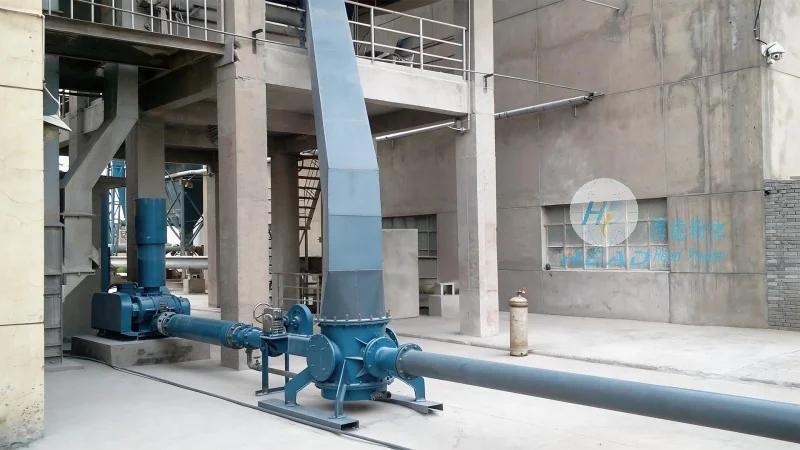
The foam material conveying system typically consists of several critical components that work in tandem to achieve seamless material transport. These include the feeding mechanism, conveying pipeline, control unit, and discharge system. Each component plays a vital role in maintaining the system's efficiency and reliability. The feeding mechanism is responsible for introducing the foam material into the system, ensuring a consistent flow rate. The conveying pipeline, often made of durable materials like stainless steel or specialized polymers, transports the foam through the system while minimizing material degradation. The control unit, equipped with advanced sensors and automation technology, monitors and adjusts the system's operation in real-time, optimizing performance based on process parameters. The discharge system then collects the conveyed foam material, preparing it for subsequent processing or use.
Operation Process of the Foam Material Conveying System
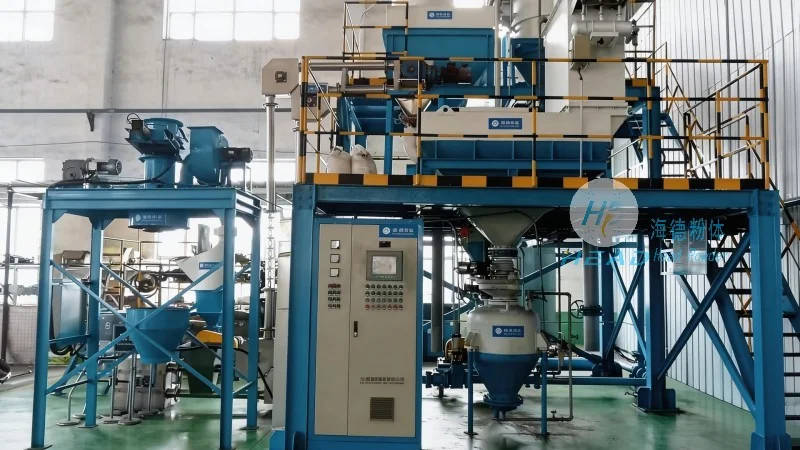
The operation of the foam material conveying system follows a systematic sequence that ensures smooth material handling. The process begins with material feeding, where the foam is introduced into the system through the feeding mechanism. The material is then transported through the conveying pipeline, guided by the system's design to prevent blockages or uneven flow. The control unit continuously monitors the flow rate, pressure, and temperature within the system, making adjustments as needed to maintain optimal conditions. During transport, the foam material may undergo minor compaction or consolidation, depending on the system's configuration and the material's properties. Upon reaching the discharge point, the material is collected by the discharge system, completing the conveying cycle. The system may also include features such as vacuum or pressure assistance to enhance material movement, especially for lighter or more delicate foam types.
Working Principle of the Foam Material Conveying System
The working principle of the foam material conveying system is based on the principles of fluid dynamics and material handling technology. The system operates by creating a controlled environment within the conveying pipeline, where the foam material is moved through the use of pressure differentials, vacuum assistance, or mechanical agitation. The feeding mechanism introduces the foam into the pipeline, and the control unit regulates the flow by adjusting the pressure or vacuum levels. The pipeline's design, including bends, valves, and expansion joints, is carefully engineered to minimize resistance and maintain consistent material movement. Sensors within the system provide real-time data on material flow, temperature, and pressure, allowing for immediate adjustments to maintain efficiency. The discharge system then collects the material, ensuring that the entire process is completed without interruption. This integrated approach ensures that the foam material is transported safely and efficiently, meeting the demands of various industrial applications.
Benefits and Applications of Foam Material Conveying Systems
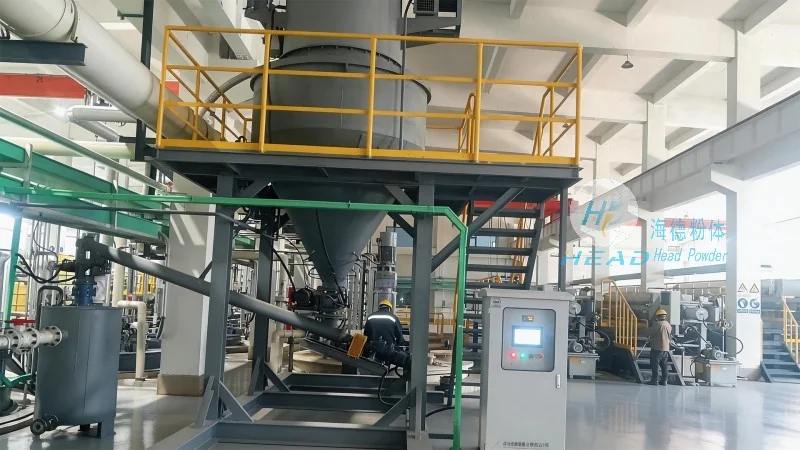
Foam material conveying systems offer numerous benefits in industrial settings, including improved material handling efficiency, reduced labor costs, and enhanced product quality. These systems are particularly useful in applications involving lightweight or delicate foam materials, such as those used in packaging, insulation, or filtration. The advanced design of the system minimizes material degradation, ensuring that the foam's properties are preserved throughout the conveying process. Additionally, the automation features of the system reduce the need for manual intervention, improving safety and consistency. The systems are also scalable, allowing for customization to meet the specific needs of different industries and applications. Whether used in manufacturing, construction, or other sectors, foam material conveying systems provide reliable and efficient solutions for material transport.




