For industrial applications involving the handling of soda ash, a reliable and efficient material conveying system is essential to ensure smooth production processes and minimize operational disruptions. The design of a pneumatic conveying system for soda ash, such as sodium carbonate, requires careful consideration of material properties, operational requirements, and system integration to achieve optimal performance. This article provides a comprehensive overview of the key aspects involved in designing an effective soda ash pneumatic conveying system, highlighting the technical considerations and practical solutions offered by Shandong HeadPowder Engineering Co., Ltd., a leading provider in the field.
Understanding Soda Ash and Its Handling Challenges
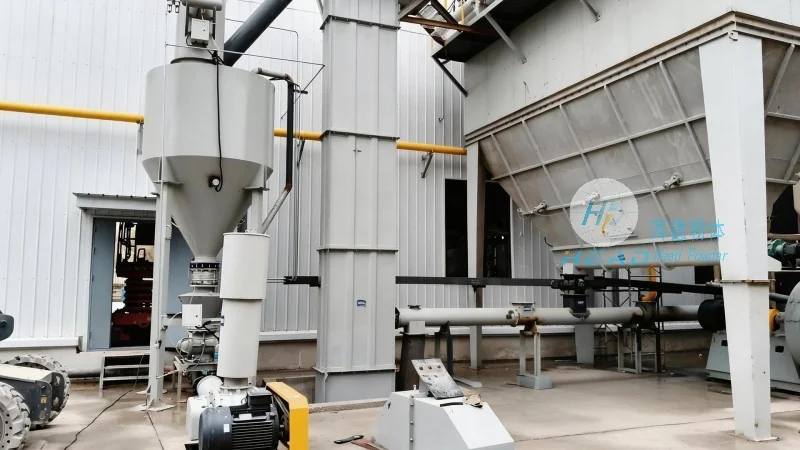
Soda ash, or sodium carbonate (Na₂CO₃), is a widely used chemical in various industries, including glass manufacturing, paper production, and water treatment. Its granular or powder form presents unique handling challenges due to its relatively light density, tendency to agglomerate, and potential for dust generation during transport. Traditional conveying methods like belt conveyors or bucket elevators may not be suitable for soda ash due to the risk of material degradation, contamination, or inefficient flow. Pneumatic conveying offers a solution by utilizing air to transport the material through a closed system, minimizing contact with external elements and reducing the risk of product loss or quality compromise.
Key Components of a Soda Ash Pneumatic Conveying System
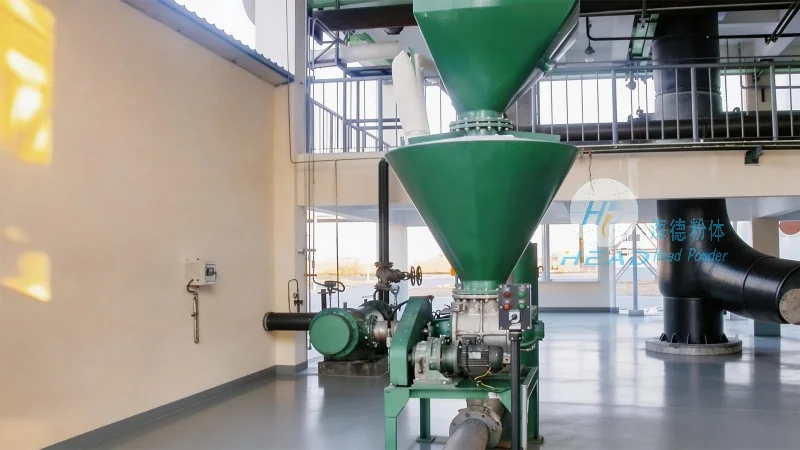
The design of a soda ash pneumatic conveying system typically involves several critical components that work in tandem to ensure efficient material transport. The primary components include the feed hopper, which stores and regulates the material flow; the air compressor or blower, which generates the necessary air pressure to move the material; the conveying line, which consists of pipes and fittings that direct the material and air mixture; the separation equipment, such as cyclones or filters, which separate the material from the air stream; and the discharge hopper, which collects the conveyed material. Each component must be selected based on the specific characteristics of the soda ash, including particle size, bulk density, and moisture content, as well as the desired conveying distance and flow rate.
System Design Considerations for Optimal Performance
When designing a soda ash pneumatic conveying system, several factors must be considered to ensure the system operates efficiently and reliably. The first consideration is the conveying distance and layout, as the air pressure required to transport the material increases with distance. The system designer must calculate the necessary air pressure and flow rate to overcome friction losses in the pipes and maintain the material in suspension. Another critical factor is the material's flow properties, including its angle of repose and cohesion, which affect the material's ability to flow through the conveying line. The system must be designed to prevent material buildup or blockages, which can lead to system downtime. Additionally, the air quality and filtration system must be considered to prevent contamination of the soda ash and maintain air purity, especially in applications where the material is used in food or pharmaceutical industries.
Equipment Selection and Integration
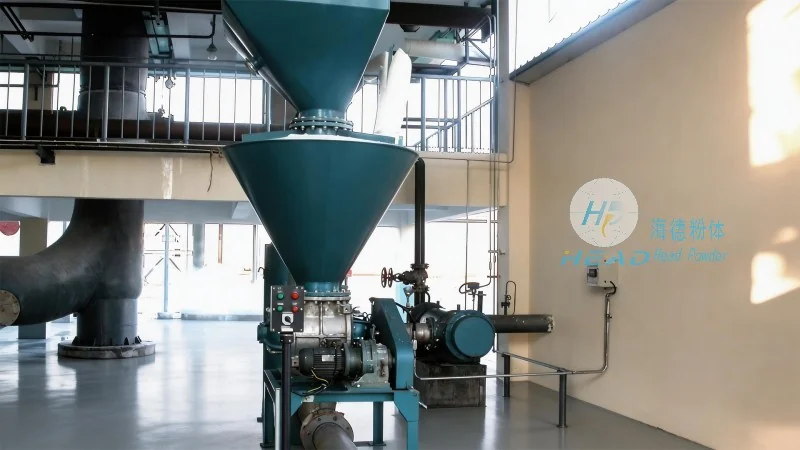
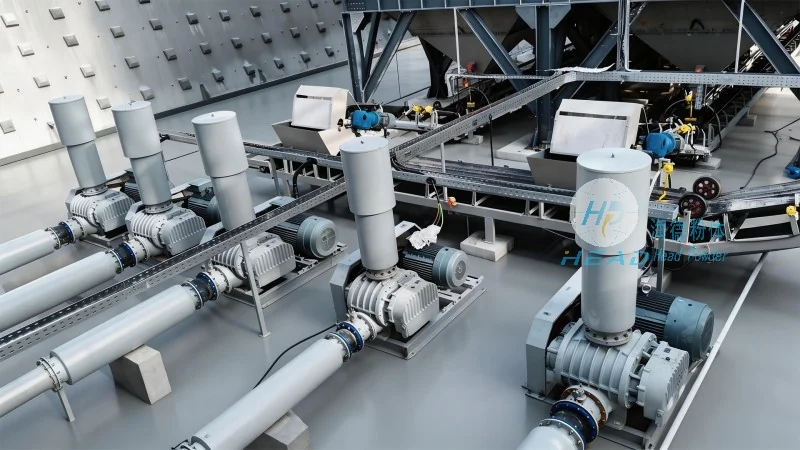
Shandong HeadPowder Engineering Co., Ltd. specializes in designing and manufacturing customized pneumatic conveying systems tailored to the specific needs of soda ash handling. The company's engineers utilize advanced computational fluid dynamics (CFD) and material flow analysis to simulate the behavior of the material in the system and optimize the design for maximum efficiency. The feed hopper is typically equipped with a rotary valve or screw feeder to control the material flow and prevent material bridging. The air compressor is selected based on the required pressure and flow rate, with options including positive displacement blowers or centrifugal compressors. The conveying line is constructed from materials such as stainless steel or PVC to resist corrosion and ensure durability. The separation equipment, such as cyclone separators or bag filters, is designed to capture the soda ash particles from the air stream and return them to the system or discharge them to a collection bin. The discharge hopper is equipped with a level sensor to monitor the material level and trigger an alarm if the level is too low or too high.
Benefits of a Well-Designed Pneumatic Conveying System
Implementing a well-designed pneumatic conveying system for soda ash offers numerous benefits to industrial operations. The primary advantage is the reduction in material handling time and labor costs, as the system automates the transport process and eliminates the need for manual handling. This leads to increased production efficiency and reduced operational costs. Additionally, pneumatic conveying minimizes material degradation and contamination, ensuring the quality of the soda ash remains consistent throughout the process. The closed system design also reduces dust emissions and improves workplace safety, making it suitable for applications where environmental regulations are strict. Furthermore, the system's flexibility allows for easy integration with existing production lines and expansion as production needs grow.
Case Study: Successful Implementation of a Soda Ash Pneumatic Conveying System
One of the successful applications of a soda ash pneumatic conveying system designed by Shandong HeadPowder Engineering Co., Ltd. is in a glass manufacturing plant. The plant required a system to transport soda ash from storage silos to the glass melting furnace, covering a distance of approximately 200 meters. The system was designed with a positive displacement blower, stainless steel conveying lines, and cyclone separators. The initial testing phase confirmed that the system could achieve a flow rate of 10 tons per hour with a pressure of 0.6 MPa, meeting the plant's production requirements. The system has been in operation for over two years, with minimal downtime and consistent material quality. The plant reported a 20% reduction in labor costs and a 15% improvement in production efficiency compared to traditional conveying methods. This case study demonstrates the effectiveness of a well-designed pneumatic conveying system in enhancing operational performance and reducing costs.




