HeadPowder, a leading engineering company based in Shandong, China, specializes in the design, manufacturing, and implementation of advanced pneumatic conveying systems for the efficient handling and mixing of powdered materials. This article provides a detailed overview of the operation process and working principles behind these systems, highlighting their efficiency and reliability in industrial applications.
Understanding Pneumatic Conveying Technology
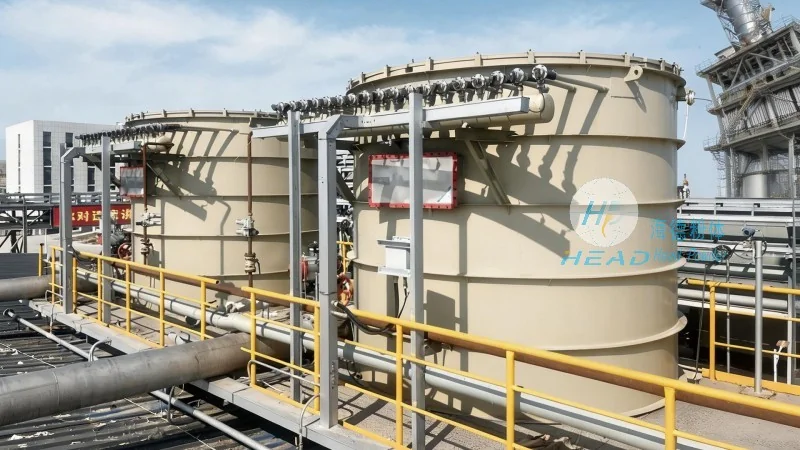
Pneumatic conveying is a method of transporting bulk materials, such as powders and granules, through a pipeline using air or other gases. In the context of mixed powder materials, this technology is crucial for ensuring uniform mixing and consistent product quality. The system typically involves a hopper, a conveyor line, and a receiver, all connected by a network of pipes. The process begins with the material being fed into the hopper, where it is then drawn into the conveyor line by the force of the moving air.
The Operation Process of Powdered Material Mixing in Pneumatic Conveying
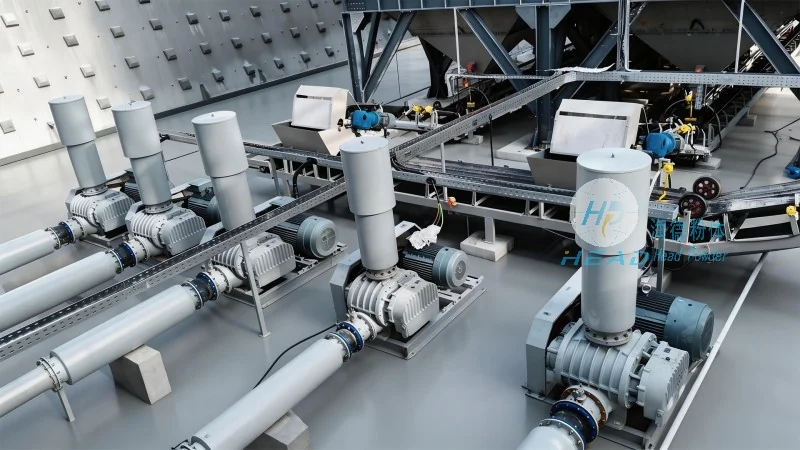
The operation process of mixing powdered materials using pneumatic conveying involves several key steps. First, the raw materials are loaded into the storage silos or hoppers. These materials are then fed into the conveying system through a feeder, which controls the flow rate to maintain a consistent feed. The conveying air, often generated by a blower or a fan, is introduced into the pipeline, creating a pressure differential that propels the material forward. As the material travels through the pipeline, it encounters mixing zones or static mixers, which ensure thorough blending of different powder components. The mixed material is then discharged into the receiving hopper or storage tank, where it is ready for further processing or packaging.
Working Principles of Pneumatic Conveying Systems
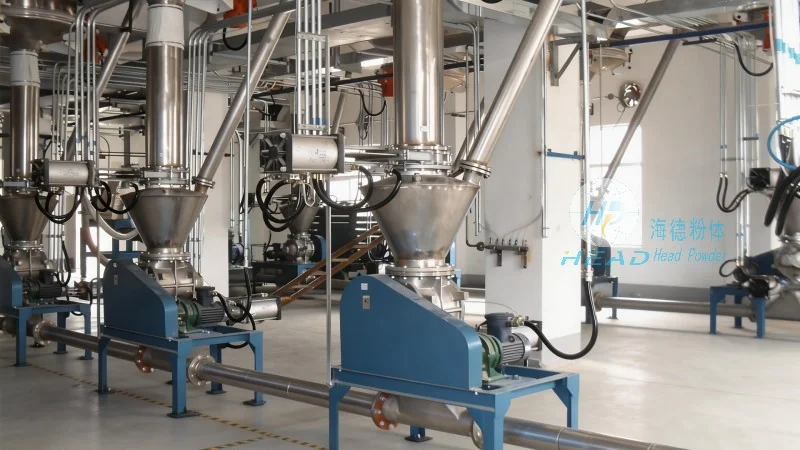
The working principles of pneumatic conveying systems are based on the principles of fluid dynamics and material handling. The system operates by creating a flow of air within the pipeline, which carries the powdered material. There are two main types of pneumatic conveying: pressure and vacuum systems. Pressure systems use compressed air to push the material through the pipeline, while vacuum systems use a vacuum to pull the material from the source. For mixed powder materials, a combination of both pressure and vacuum zones may be used to optimize the conveying and mixing process. The key components of the system include the air compressor, the feeder, the pipeline, the static mixers, and the receiver. Each component plays a critical role in ensuring the efficient and safe operation of the system.
Advantages of Pneumatic Conveying for Powdered Material Mixing
Pneumatic conveying systems offer several advantages over traditional methods, such as bucket elevators or belt conveyors. These systems are highly flexible, allowing for the transportation of materials over long distances and through complex layouts. They also provide excellent mixing capabilities, ensuring that different powder components are thoroughly blended, which is essential for achieving consistent product quality. Additionally, pneumatic conveying systems are relatively low maintenance and can handle a wide range of materials, including those that are abrasive or corrosive. The systems are also capable of handling materials at high temperatures, making them suitable for applications in the chemical, pharmaceutical, and food industries.
Applications in Industrial Settings
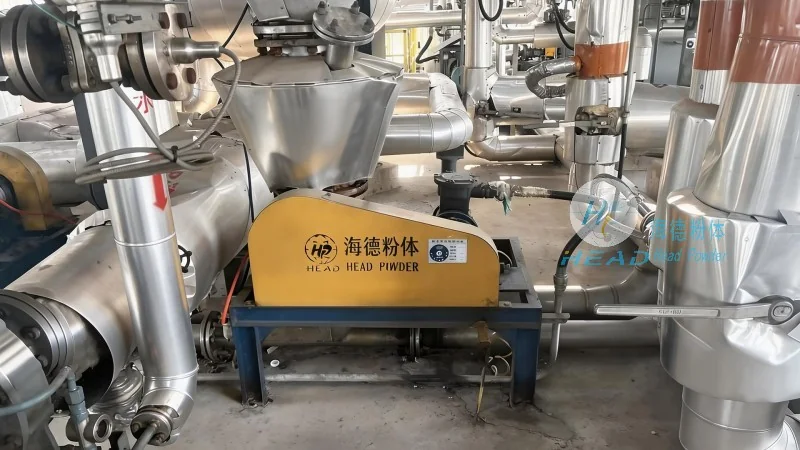
The applications of pneumatic conveying systems for powdered material mixing are widespread across various industries. In the chemical industry, these systems are used to transport and mix raw materials for the production of chemicals, such as fertilizers and plastics. In the pharmaceutical industry, they are used to handle and mix active pharmaceutical ingredients (APIs) and excipients, ensuring that the final product is of high quality and consistent. In the food industry, they are used to handle and mix ingredients for food products, such as cereals and snacks. The systems are also used in the cement and construction industries to transport and mix cement and other powders. The versatility of these systems makes them an essential part of modern industrial operations.




