Borax, a widely used chemical compound in various industries, often requires efficient and reliable material handling solutions for its powder form. Pneumatic conveying systems offer a sophisticated method to transport borax powder from one location to another, ensuring minimal product degradation and optimal operational efficiency. This article delves into the operation process and underlying principles of borax powder pneumatic conveying, highlighting the technical aspects and practical applications.
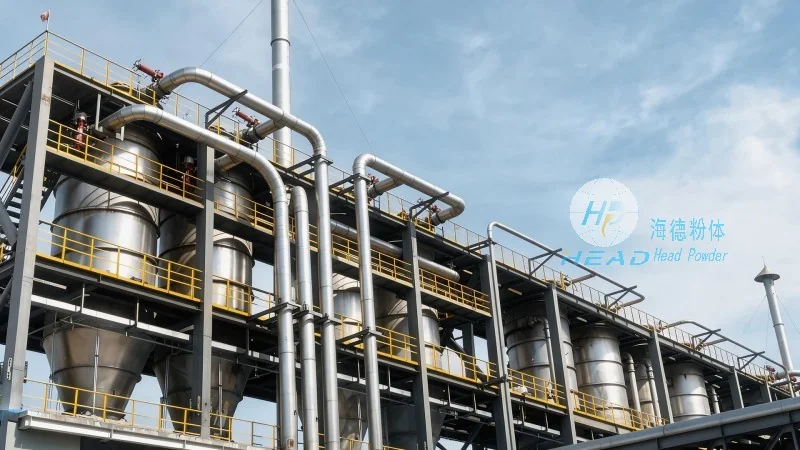
Company Overview: HeadPowder
HeadPowder, a leading provider in the field of powder handling technology, specializes in designing and manufacturing advanced pneumatic conveying systems tailored to the unique needs of industrial clients. With a strong commitment to innovation and quality, the company has established itself as a trusted partner for businesses dealing with bulk powder materials, including borax. HeadPowder’s headquarters is located in Shandong, China, where the company leverages local expertise and resources to develop cutting-edge solutions.
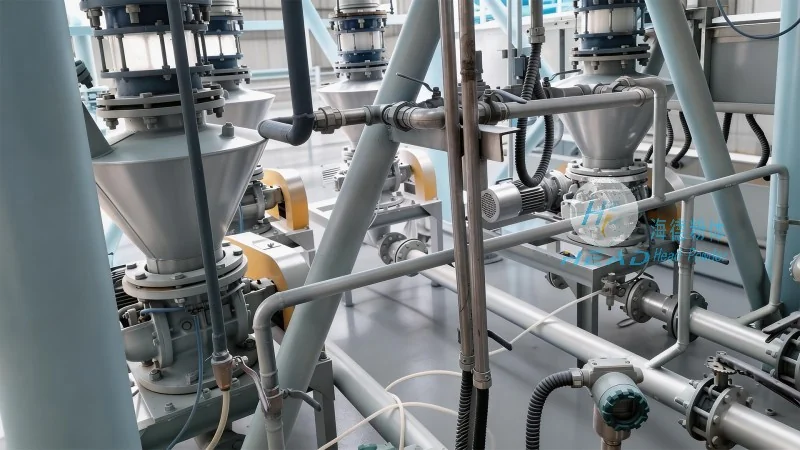
The Working Principle of Pneumatic Conveying for Borax Powder
At its core, pneumatic conveying relies on the movement of air to transport solid particles like borax powder. The system operates by creating a pressure differential between the source and destination points. Air is introduced into the conveying line, either by suction (negative pressure) or pressure (positive pressure), which lifts and transports the powder. The working principle involves several key components: a hopper for material storage, a conveyor line, and a receiver for the delivered powder. The air flow is controlled to maintain consistent particle velocity, preventing clogging and ensuring smooth transport.
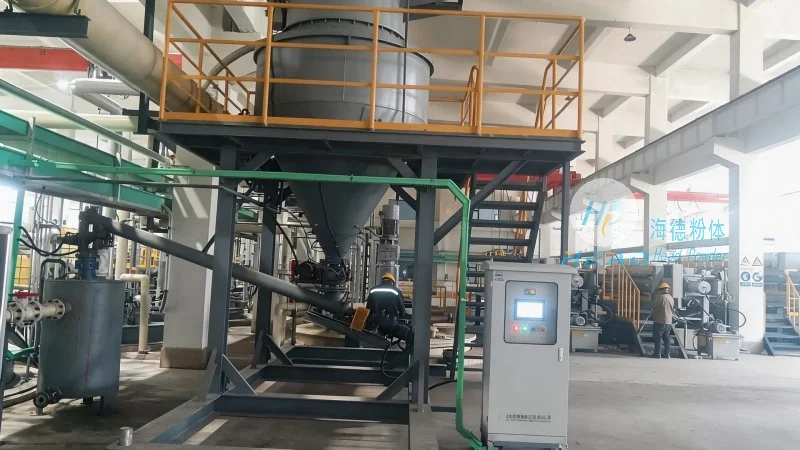
Detailed Operation Process of Borax Powder Pneumatic Conveying
The operation process of borax powder pneumatic conveying typically follows a structured sequence. First, the borax powder is loaded into the hopper, which is equipped with a feeding mechanism to regulate the flow rate. The hopper is connected to the conveying line via a venturi or a rotary valve, which introduces air into the system. As air flows through the line, it entrains the powder particles, forming a slurry-like mixture. The mixture travels through the pipeline to the receiving hopper or storage tank. The receiving hopper may include a dust collection system to capture any fine particles that escape during transport. The entire process is monitored by sensors and control systems to maintain optimal air pressure and flow rates, ensuring consistent performance.
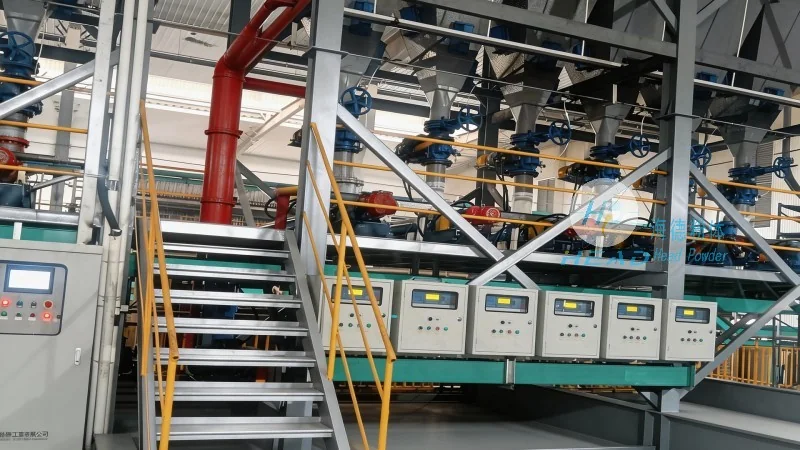
Key Advantages and Applications in Industrial Settings
Pneumatic conveying systems for borax powder offer several advantages over traditional methods like belt conveyors or bucket elevators. These include reduced product contamination, lower maintenance costs, and improved safety due to enclosed systems. The technology is particularly beneficial in industries such as glass manufacturing, detergents, and chemical processing, where borax is used as a raw material. HeadPowder’s systems are designed to handle varying particle sizes and flow rates, making them adaptable to diverse industrial applications. By leveraging pneumatic conveying, businesses can enhance operational efficiency, minimize downtime, and ensure the quality of their borax powder throughout the transport process.




