Shandong HeadPowder Engineering Co., Ltd., a leading enterprise in the field of powder handling technology, specializes in the design and implementation of pneumatic conveying systems for various industrial powders, including glass slag. This article provides a detailed overview of the operation process and working principles of such systems, highlighting the technical aspects and practical applications in industrial settings.
Understanding Glass Slag Powder and Its Handling Challenges
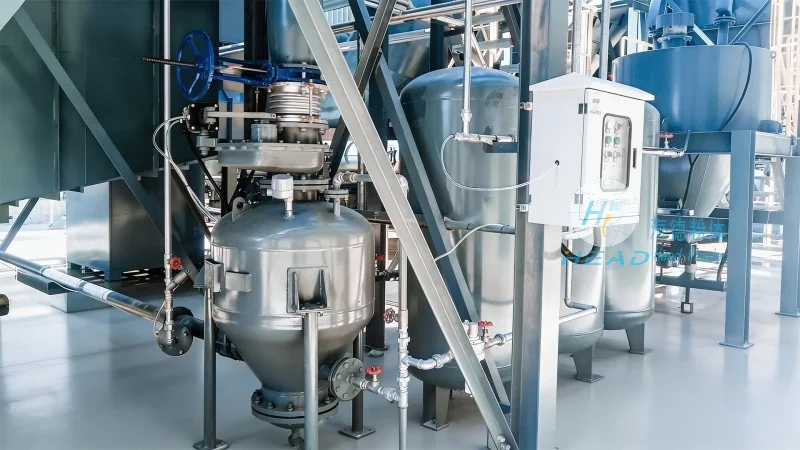
Glass slag is a byproduct generated during the glass manufacturing process, characterized by its fine particle size and abrasive nature. Handling this material efficiently requires specialized equipment capable of managing its unique properties. Pneumatic conveying offers a reliable solution by transporting the powder through a pipeline using air or gas as the conveying medium. The process involves several key components, including a hopper, feeder, conveying line, and receiver, each playing a crucial role in the overall system performance.
Key Components of a Pneumatic Conveying System for Glass Slag
The core components of a pneumatic conveying system for glass slag powder include the material hopper, which stores the glass slag and provides a consistent feed to the system. The feeder, typically a rotary valve or screw feeder, controls the flow rate of the material into the conveying line. The conveying line itself is usually made of stainless steel or other corrosion-resistant materials to withstand the abrasive nature of glass slag. The receiver, or discharge hopper, collects the conveyed material at the destination point. Additionally, a blower or compressor provides the necessary air pressure to move the powder through the system.
The Operation Process: From Loading to Discharge
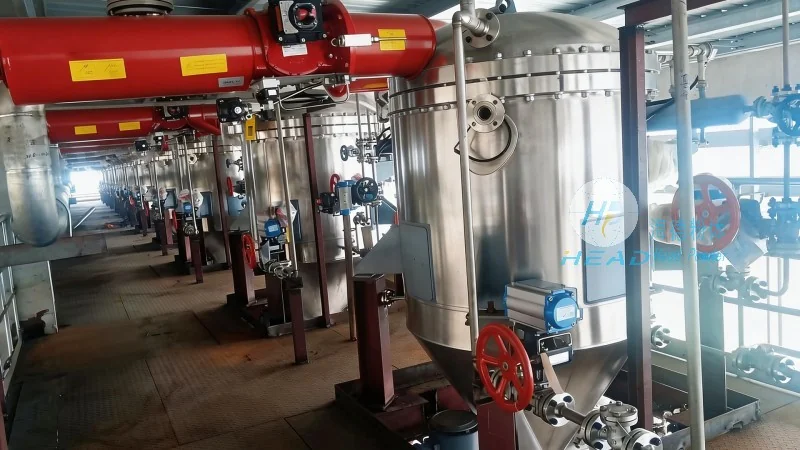
The operation process of a pneumatic conveying system for glass slag begins with the loading of the material into the hopper. The feeder then regulates the flow of glass slag into the conveying line. As the material enters the line, the blower generates a high-pressure air stream that propels the powder particles forward. The air and powder mixture travels through the pipeline, with the velocity maintained at a level sufficient to keep the particles suspended and prevent clogging. At the receiving end, the air is separated from the powder, often using a cyclone separator or a filter, and the clean glass slag is collected in the receiver. The separated air is then discharged back into the system or released to the environment, depending on the system design.
Working Principle: Air-Flow Dynamics and Particle Suspension
The working principle of pneumatic conveying relies on the physics of fluid dynamics and particle suspension. When air is introduced into the conveying line at a high velocity, it creates a low-pressure zone that draws the glass slag particles into the flow. The particles are then carried along by the air stream, maintaining a suspended state due to the balance between the drag force from the air and the gravitational force acting on the particles. The system's design, including the size of the pipeline, the air velocity, and the material feed rate, is critical in ensuring efficient particle suspension and preventing blockages. Proper air flow management is essential to achieve consistent conveying performance and minimize energy consumption.
Advantages of Pneumatic Conveying for Glass Slag Handling
Pneumatic conveying offers several advantages for handling glass slag powder. It provides a closed system, which helps in controlling dust emissions and maintaining a clean working environment. The process is also relatively flexible, allowing for changes in material flow rates and destinations without significant modifications to the system. Additionally, the system can handle abrasive materials like glass slag without causing excessive wear and tear on the equipment, as the conveying line is designed to withstand such conditions. The ability to transport materials over long distances with minimal manual intervention also enhances operational efficiency and reduces labor costs.
Applications and Industrial Use Cases
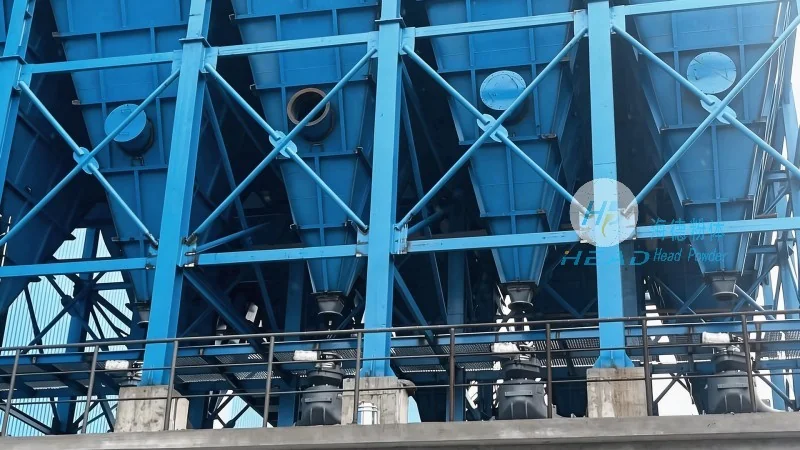
The pneumatic conveying systems developed by Shandong HeadPowder Engineering Co., Ltd. are widely used in various industrial applications involving glass slag handling. These include the transport of glass slag from the manufacturing site to storage facilities, or from storage to processing plants for further use in construction materials or other industrial applications. The systems are also employed in recycling facilities where glass slag is processed into aggregates for road construction or other building materials. By providing reliable and efficient material transport solutions, the company helps its clients optimize their production processes and reduce operational costs.
Conclusion: Reliable Solutions for Glass Slag Powder Handling
Shandong HeadPowder Engineering Co., Ltd. specializes in providing advanced pneumatic conveying systems tailored to the unique requirements of glass slag powder handling. Through careful design and implementation of the system components, the company ensures efficient operation, minimal maintenance, and long-term reliability. The working principles and operation process outlined in this article demonstrate the effectiveness of pneumatic conveying as a solution for transporting abrasive and fine materials like glass slag. With a focus on quality and customer satisfaction, the company continues to deliver innovative solutions that meet the evolving needs of the industrial sector.




