Refractory powder pneumatic conveying systems are essential for the efficient and safe transportation of fine refractory materials in industrial settings. These systems utilize air or gas as the conveying medium to move powders from one location to another, offering advantages such as reduced dust generation, improved material handling, and enhanced process control. This article provides an overview of the operation process and working principles of such systems, highlighting key components and their functions.
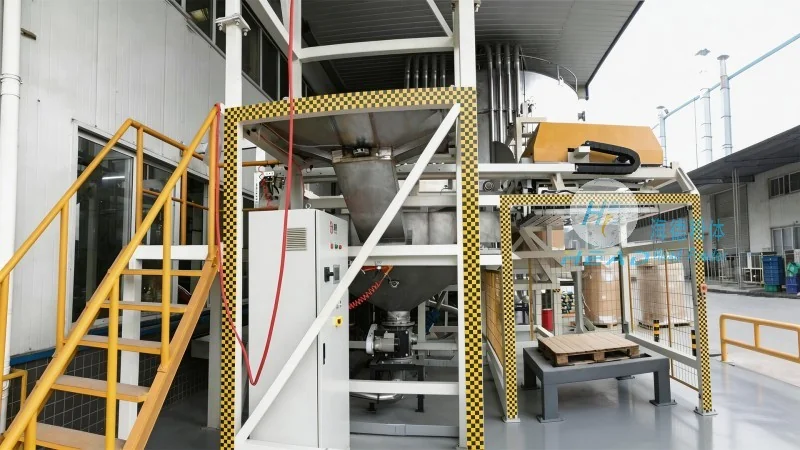
Key Components of Refractory Powder Pneumatic Conveying Systems
The core components of a refractory powder pneumatic conveying system typically include a hopper for material storage, a feeder to control the flow rate, a conveying line (often with bends and straight sections), a receiver for the discharged material, and a blower or compressor to generate the necessary air pressure. Each component plays a critical role in ensuring the system operates smoothly and efficiently.
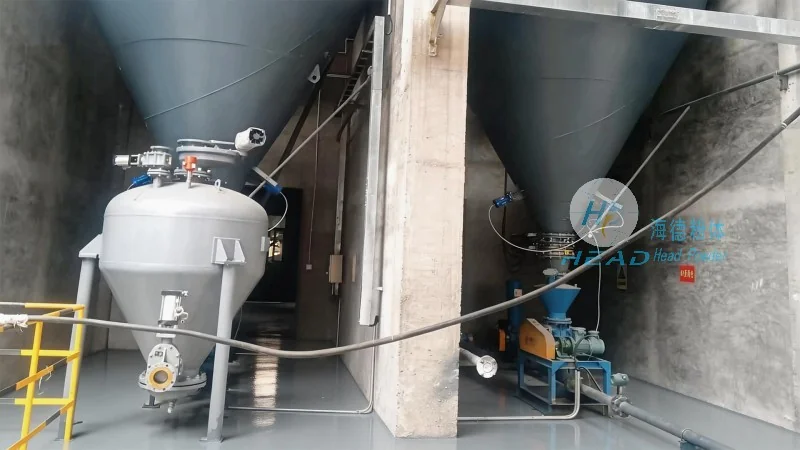
Working Principle of the System
The operation of a refractory powder pneumatic conveying system begins with the material being fed from the hopper into the conveying line. The feeder, which may be a rotary valve or a screw feeder, regulates the amount of powder entering the system, preventing overloading and maintaining a consistent flow. Simultaneously, the blower or compressor creates a pressure differential within the conveying line, drawing air into the system and propelling the powder particles along with it. As the powder travels through the line, it experiences various forces, including drag and lift, which help maintain the material in suspension and prevent clogging.
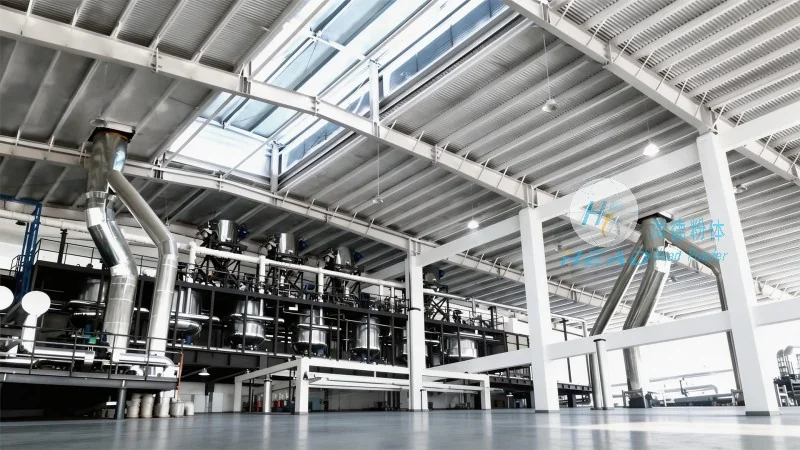
Operation Process: From Loading to Discharge
The process of operating a refractory powder pneumatic conveying system involves several sequential steps. First, the hopper is filled with refractory powder, ensuring a sufficient supply for the conveying operation. Next, the feeder is activated to start the material flow, and the blower is turned on to generate the required air pressure. The powder is then conveyed through the system, navigating bends and other components as it moves toward the receiver. At the receiver, the material is discharged under controlled conditions, and the air is filtered and returned to the system or released to the environment, depending on the system design.
Advantages and Considerations for Refractory Powder Pneumatic Conveying
Refractory powder pneumatic conveying systems offer several benefits, including the ability to handle fine and abrasive powders without the need for mechanical components that might wear out quickly. They also reduce the risk of dust explosions by containing the material within a closed system and controlling the air flow. However, proper design and maintenance are crucial to prevent issues such as blockages, pressure drops, or air leakage, which can affect system performance and safety.
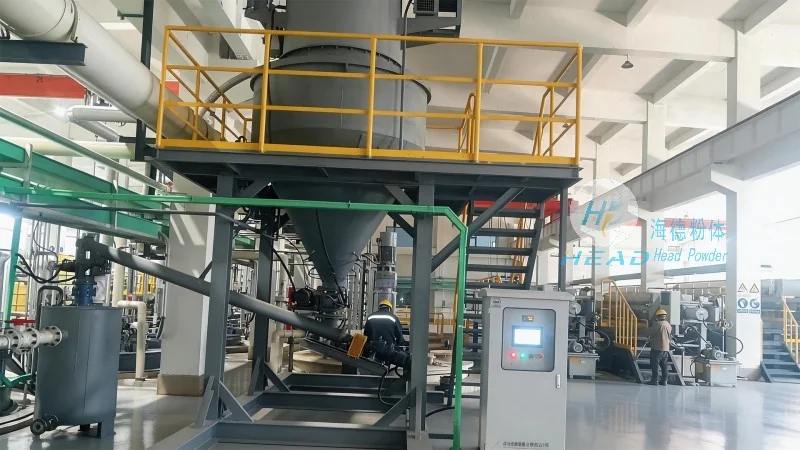
Shandong HeadPowder Engineering Co., Ltd., a leading manufacturer in the field, specializes in the design, fabrication, and installation of high-quality refractory powder pneumatic conveying systems. With years of experience and a commitment to innovation, the company provides tailored solutions that meet the specific needs of various industrial applications, ensuring reliable and efficient material handling for refractory powders.




