Quicklime powder pneumatic conveying systems are specialized industrial solutions designed to transport quicklime powder efficiently and safely. As a key component in various industrial processes, quicklime (calcium oxide) is often used in applications such as flue gas desulfurization, water treatment, and chemical manufacturing. The pneumatic conveying system provides a reliable method to move this fine powder from storage to processing units, minimizing dust emissions and operational risks. This article explores the fundamental concepts of these systems and their design principles, highlighting the technical aspects that ensure optimal performance.
Understanding Quicklime Powder Properties
Before delving into the design of pneumatic conveying systems for quicklime powder, it is essential to understand the physical and chemical characteristics of the material. Quicklime is a fine, dry powder with a high bulk density and a tendency to agglomerate or form clumps under certain conditions. Its particle size distribution, typically ranging from 10 to 200 microns, affects the system's air velocity requirements and pressure drop. The material is also hygroscopic, meaning it absorbs moisture from the air, which can lead to caking or increased friction in the conveying lines. These properties necessitate specific design considerations to maintain system efficiency and prevent blockages.
Core Components of a Pneumatic Conveying System
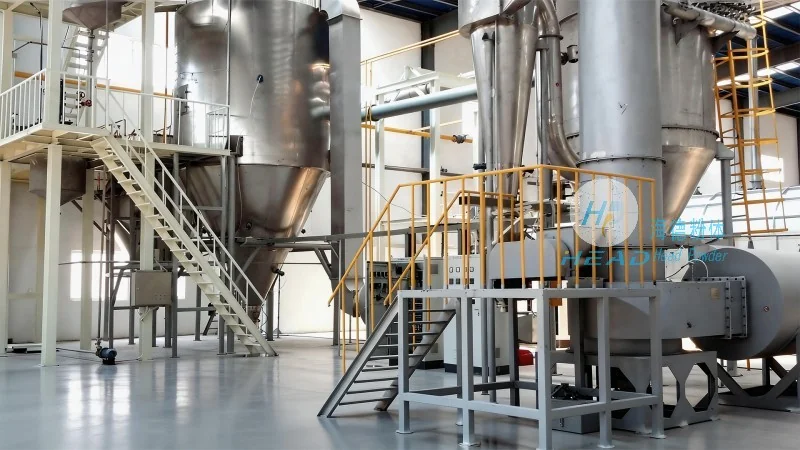
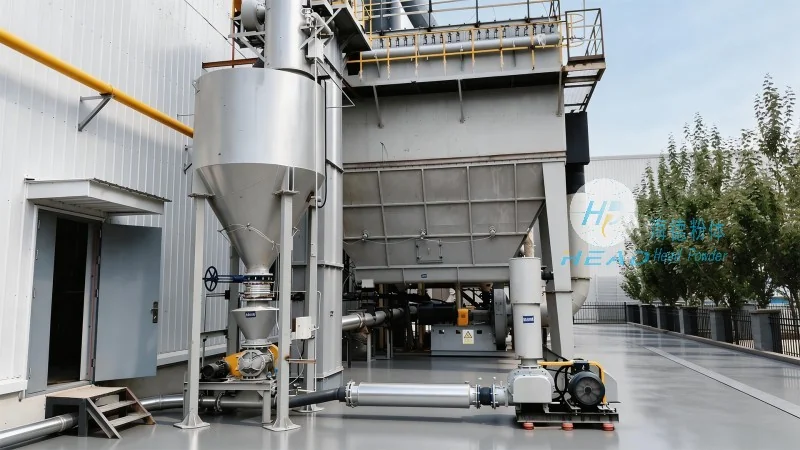
The pneumatic conveying system for quicklime powder consists of several key components that work in tandem to achieve effective material transport. The primary components include a hopper or storage silo for material storage, a feeder to control the flow rate, a conveying line (often made of stainless steel or other corrosion-resistant materials), a compressor or blower to generate the necessary air pressure, and a receiver or destination silo for the delivered material. Each component plays a critical role in the overall system performance. The hopper is designed to maintain a consistent material level and prevent air leakage, while the feeder ensures a steady, controlled discharge of the powder. The conveying line must be sized appropriately to handle the material's flow characteristics and pressure drop, with appropriate bends and fittings to minimize friction losses. The compressor provides the motive force, typically operating at pressures ranging from 0.5 to 2 bar, depending on the system's length and material properties. The receiver is equipped with a dust collection system to capture any fine particles that may escape during the conveying process, ensuring environmental compliance and product purity.
Design Principles for Efficient Conveying
The design of a quicklime powder pneumatic conveying system follows several fundamental principles to ensure efficiency, reliability, and safety. The first principle is the selection of the appropriate conveying method, which can be classified as dilute-phase or dense-phase. Dilute-phase systems use high air velocities (typically 20-30 m/s) to transport the powder in a dispersed state, while dense-phase systems use lower velocities and higher air volumes to create a slurry-like flow. For quicklime powder, dilute-phase systems are often preferred due to their lower energy consumption and ability to handle longer distances. The second principle is the calculation of the required air velocity and pressure drop. This involves determining the material's terminal velocity and the system's pressure loss through the conveying line, bends, and fittings. The air velocity must be sufficient to keep the powder particles suspended but not so high as to cause excessive wear on the system components. The third principle is the consideration of material handling and system integration. The system must be designed to accommodate the specific storage and processing requirements of the plant, ensuring seamless integration with existing equipment. This includes matching the feeder output to the conveying line capacity and the receiver's capacity to the production rate. The fourth principle is the incorporation of safety features, such as dust suppression systems, pressure relief valves, and emergency shut-off mechanisms, to protect operators and the environment from potential hazards. These principles are applied by engineers from companies like Shandong HeadPowder Engineering Co., Ltd., who specialize in customizing systems to meet the unique needs of each client.
Advantages of Pneumatic Conveying for Quicklime
Compared to traditional mechanical conveying methods, such as screw conveyors or bucket elevators, pneumatic conveying offers several advantages for quicklime powder transport. One of the most significant benefits is the ability to handle fine, dusty materials without the risk of clogging or wear. The enclosed system also minimizes dust emissions, improving workplace safety and environmental compliance. Additionally, pneumatic conveying systems can transport materials over longer distances with fewer intermediate transfer points, reducing the need for additional equipment and maintenance. The flexibility of these systems allows for easy integration with other process equipment, such as mixers or reactors, enabling seamless material flow from storage to processing. For industries that rely on quicklime, such as power generation and chemical manufacturing, these advantages translate into improved operational efficiency, reduced downtime, and lower maintenance costs. The expertise of companies like HeadPowder, a division of Shandong HeadPowder Engineering Co., Ltd., is crucial in optimizing these benefits for specific applications.
Customization and Application Examples
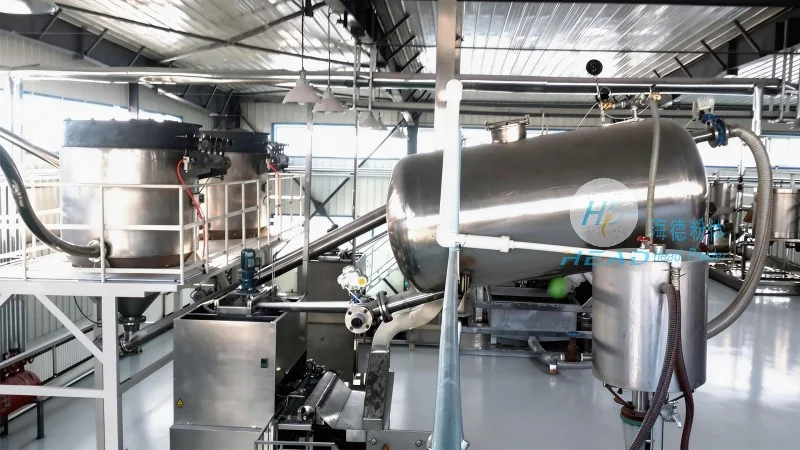
Given the diverse nature of industrial applications, quicklime powder pneumatic conveying systems are often customized to meet specific client requirements. Shandong HeadPowder Engineering Co., Ltd., with its headquarters in Shandong, China, specializes in designing and manufacturing these systems tailored to the needs of various industries. For example, in a power plant's flue gas desulfurization system, the quicklime is used to neutralize sulfur dioxide emissions. The pneumatic conveying system must be designed to handle the high volume of powder required, often over long distances from the storage silo to the reaction tower. The system may include multiple conveying lines and a central control system to manage the flow of material. In a chemical manufacturing plant, the quicklime may be used as a raw material in the production of calcium compounds. The system is designed to deliver the powder to a reactor at a controlled rate, ensuring consistent product quality. These examples illustrate how the design principles discussed earlier are applied in real-world scenarios, with engineers from HeadPowder working closely with clients to develop solutions that meet their operational and safety requirements.




