Wheat bran, a byproduct of wheat processing, is widely utilized in the food, feed, and pharmaceutical industries. Efficient and reliable transportation of wheat bran powder is essential for maintaining product quality and operational efficiency. Pneumatic conveying systems provide an effective solution by using air to transport bulk materials like wheat bran powder over long distances with minimal dust and contamination. This article delves into the operation process and working principle of such equipment, highlighting its benefits and technical aspects.
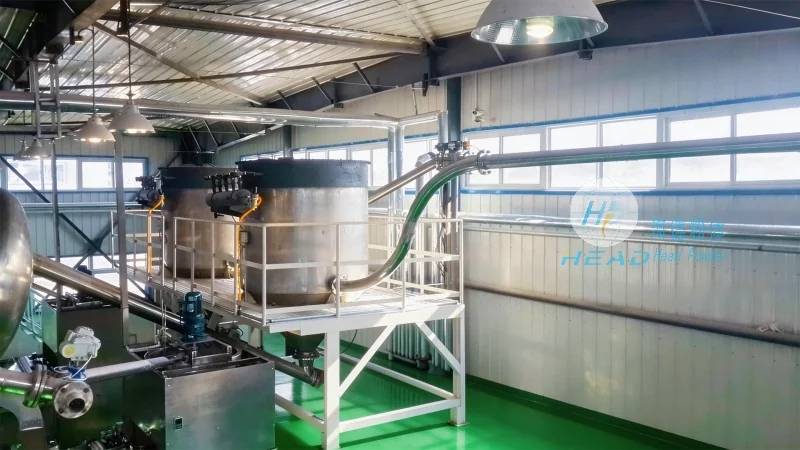
About Shandong HeadPowder Engineering Co., Ltd.
Shandong HeadPowder Engineering Co., Ltd., operating under the brand name headpowder, is a leading manufacturer specializing in the design, development, and supply of pneumatic conveying equipment. With a focus on innovation and customer-centric solutions, the company has established itself as a trusted partner in the bulk material handling industry. HeadPowder's expertise lies in creating customized pneumatic conveying systems tailored to the specific needs of clients, ensuring optimal performance and durability.
Operation Process of the Pneumatic Conveying System
The operation of a wheat bran powder pneumatic conveying system involves several key steps, each designed to ensure smooth and efficient material transport. The process typically begins with the loading of wheat bran powder into the hopper or storage silo. From there, the material is drawn into the conveying line through a series of valves and control mechanisms. The system uses compressed air to create a pressure differential, which propels the powder through the pipeline. The conveying process is monitored by sensors and control panels that adjust air pressure and flow rates as needed to maintain consistent performance. The material is then discharged at the destination point, such as a processing plant or storage facility. This continuous cycle ensures uninterrupted supply of wheat bran powder, minimizing downtime and enhancing overall operational efficiency.
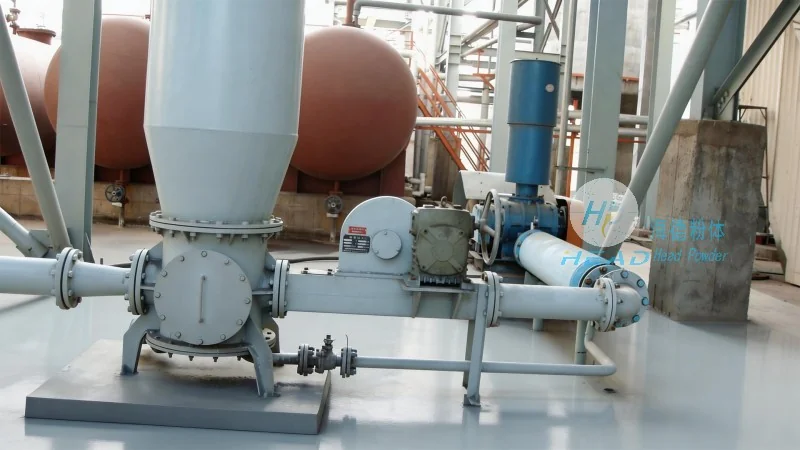
Working Principle of the Pneumatic Conveying Equipment
The working principle of a pneumatic conveying system for wheat bran powder relies on the principles of fluid dynamics and air pressure. The system consists of a hopper, a compressor, a pipeline network, and a discharge unit. The hopper stores the wheat bran powder, and the compressor generates the necessary air pressure to move the material. As air is introduced into the pipeline, it creates a low-pressure zone that draws the powder into the conveying line. The powder is then carried along the pipeline by the moving air, forming a dense phase or dilute phase flow depending on the system design. The dense phase conveying method, often used for wheat bran powder, involves higher air-to-material ratios, which reduces the risk of clogging and ensures stable transport. The system's control system continuously monitors pressure, flow, and temperature to optimize performance and prevent issues like blockages or air leaks. This integrated approach ensures that the wheat bran powder is transported safely and efficiently, maintaining its quality and integrity throughout the process.
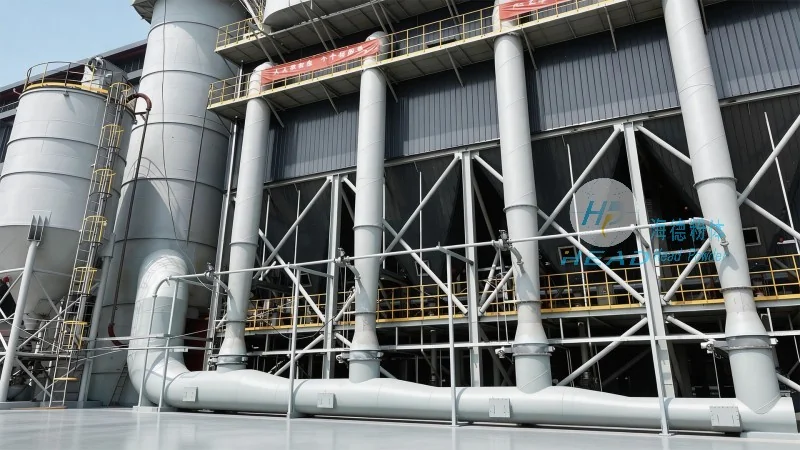
Key Components and Their Functions
A typical wheat bran powder pneumatic conveying system includes several critical components, each playing a vital role in the overall operation. The hopper or storage silo serves as the material reservoir, providing a consistent feed to the system. The rotary valve or feeder regulates the flow rate of the wheat bran powder into the conveying line, preventing overloading and ensuring smooth transport. The compressor, often a positive displacement type, generates the required air pressure, typically ranging from 0.5 to 1.5 bar, depending on the system's capacity and the distance of transport. The pipeline network, made of materials like stainless steel or plastic, transports the air and powder mixture. It includes bends, elbows, and straight sections, all designed to minimize pressure loss and prevent material deposition. At the discharge end, a cyclone separator or filter unit separates the powder from the air, allowing the powder to be collected in a receiving hopper or directly into a processing unit. The air, now clean, is discharged back into the atmosphere or recirculated through the system, depending on the design. The control system, usually a programmable logic controller (PLC), monitors and adjusts parameters such as air pressure, flow rate, and material feed rate in real-time, ensuring optimal performance and preventing operational issues.
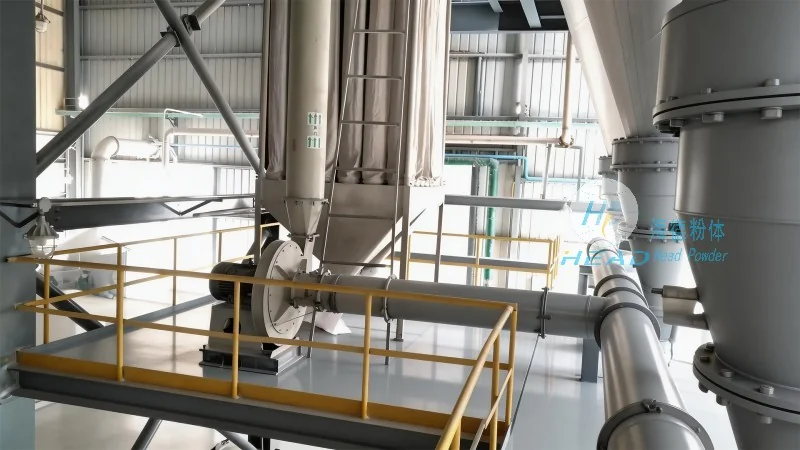
Benefits of Using Pneumatic Conveying for Wheat Bran Powder
Implementing a pneumatic conveying system for wheat bran powder offers numerous benefits that enhance operational efficiency and product quality. Firstly, it minimizes dust and contamination, which is crucial for maintaining the purity of wheat bran used in food and pharmaceutical applications. The enclosed system prevents exposure to external elements, reducing the risk of spoilage or degradation. Secondly, pneumatic conveying allows for long-distance transport without the need for intermediate storage or handling, streamlining the supply chain. This reduces labor costs and operational downtime. Thirdly, the system is highly flexible and can be customized to accommodate varying material flow rates and transport distances. It can handle both dense and dilute phase conveying, providing versatility in application. Additionally, the use of compressed air ensures consistent material flow, which improves process control and reduces variability in downstream operations. Overall, the adoption of pneumatic conveying systems for wheat bran powder leads to improved productivity, reduced maintenance costs, and enhanced product quality.
Conclusion
In conclusion, the operation process and working principle of wheat bran powder pneumatic conveying equipment are designed to provide efficient, reliable, and safe transportation of bulk materials. The system's ability to handle wheat bran powder with minimal contamination and downtime makes it an ideal solution for various industrial applications. Shandong HeadPowder Engineering Co., Ltd., with its expertise in pneumatic conveying technology, offers customized solutions that meet the specific needs of clients, ensuring optimal performance and durability. By understanding the operation process and working principles, users can make informed decisions about implementing such systems, leading to improved operational efficiency and product quality in the wheat bran processing industry.




