Coal powder material pneumatic conveying is a critical technology in modern industrial operations, focusing on the efficient and safe transport of fine coal particles. This method utilizes air as a medium to move coal powder from one location to another, eliminating the need for traditional mechanical conveyors such as belts or buckets. The technology is widely adopted in power plants, coal processing facilities, and other industrial applications where reliable and cost-effective material transport is essential.
Company Overview: Shandong HeadPowder Engineering Co., Ltd.
HeadPowder, the company behind advanced pneumatic conveying solutions, is a leading provider in the field of material handling technology. With a focus on innovation and customer-centric solutions, HeadPowder specializes in designing and manufacturing systems tailored to the unique needs of coal powder handling. The company’s headquarters is located in Shandong, China, where it leverages local expertise and resources to deliver high-quality engineering services and products. As a trusted partner in the industry, HeadPowder has established a reputation for reliability, efficiency, and technical excellence in pneumatic conveying systems.
Key Components and Working Principle of Pneumatic Conveying Systems
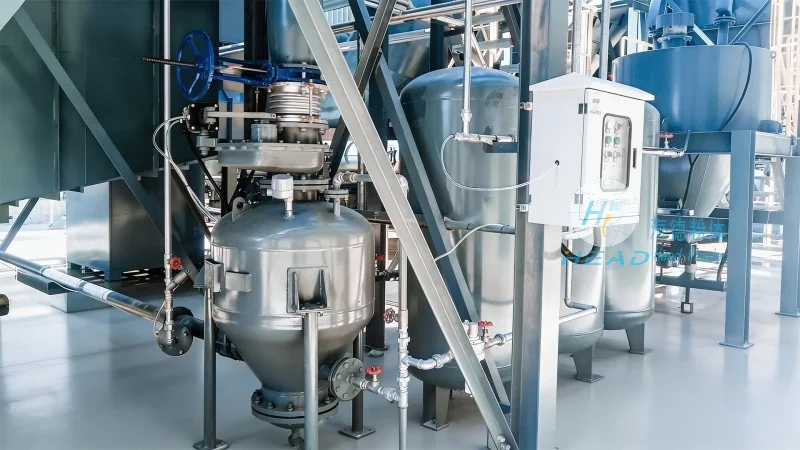
The operation of a coal powder pneumatic conveying system typically involves several critical components, each playing a vital role in the overall process. The system generally consists of a material feed hopper, a conveyor line (either positive or negative pressure), a dust collector, and a discharge outlet. The working principle revolves around the creation of a pressure differential to move the coal powder through the system using air. In positive pressure systems, air is forced through the conveyor line, carrying the coal powder particles along with it. Conversely, negative pressure systems draw air and material from the source, creating a vacuum that pulls the material through the line. The choice between positive and negative pressure depends on factors such as the distance of transport, the type of material, and the desired efficiency.
Operation Process of Coal Powder Pneumatic Conveying
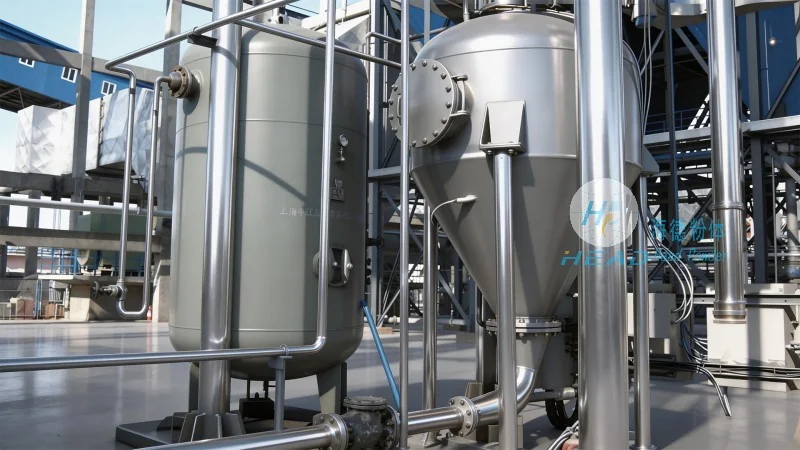
The operation process of a coal powder pneumatic conveying system begins with the loading of coal powder into the feed hopper. The hopper is equipped with a feeder mechanism, such as a rotary valve or a screw feeder, which controls the flow rate of the material into the conveyor line. As the feeder operates, the system's blower or fan generates the necessary air pressure or vacuum. The air then mixes with the coal powder, creating a slurry-like mixture that is propelled through the pipeline. The pipeline is designed with appropriate bends and fittings to ensure smooth flow and minimal pressure loss. At the discharge end, the system may include a dust separator or a cyclone to separate the air from the coal powder, allowing the powder to be deposited into the target container or storage area. The entire process is automated and can be controlled remotely, ensuring consistent and reliable operation.
Advantages of Pneumatic Conveying for Coal Powder Handling
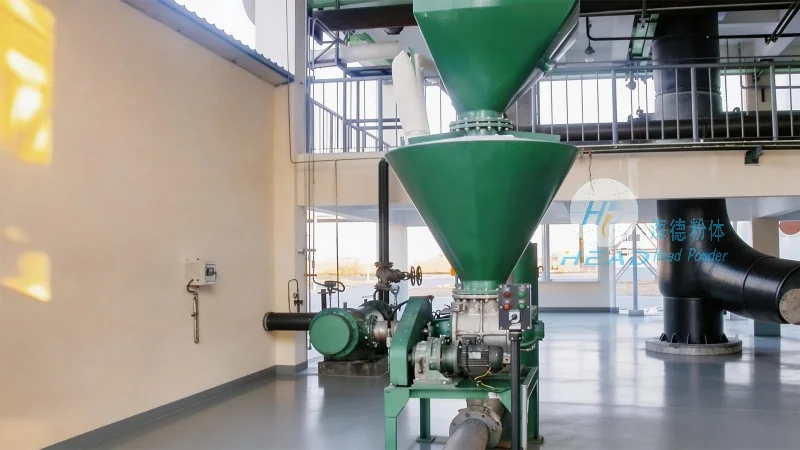
Compared to traditional mechanical conveyors, pneumatic conveying offers several advantages that make it an ideal choice for coal powder applications. One of the primary benefits is the ability to handle fine and abrasive materials without causing wear and tear on the system components. The enclosed pipeline design also prevents dust emissions, contributing to a cleaner and safer working environment. Additionally, pneumatic systems are more flexible in terms of layout, as they can be installed in various configurations to accommodate different plant layouts. The process is also energy-efficient, with lower operational costs compared to other transport methods. Furthermore, the system can be easily scaled to handle varying material volumes, making it suitable for both small-scale and large-scale industrial operations.
Applications and Industries Utilizing Pneumatic Conveying
Coal powder pneumatic conveying systems are widely used across various industries, with power generation being the most prominent application. In power plants, these systems are used to transport coal from storage silos to the boiler furnaces, ensuring a continuous and uninterrupted fuel supply. Other industries that benefit from this technology include coal processing plants, where the material is transported between different processing stages, and industrial facilities that require the handling of fine powders for manufacturing processes. The versatility of pneumatic conveying makes it applicable in any scenario where efficient and reliable transport of fine coal particles is required.




