For industries dealing with stone materials, efficient and reliable material handling is crucial. Air-driven conveying systems offer a versatile solution for transporting bulk materials like crushed stone, gravel, and other aggregates. This article explores the operation process and working principle of such systems, highlighting how they enhance productivity and safety in material handling operations.
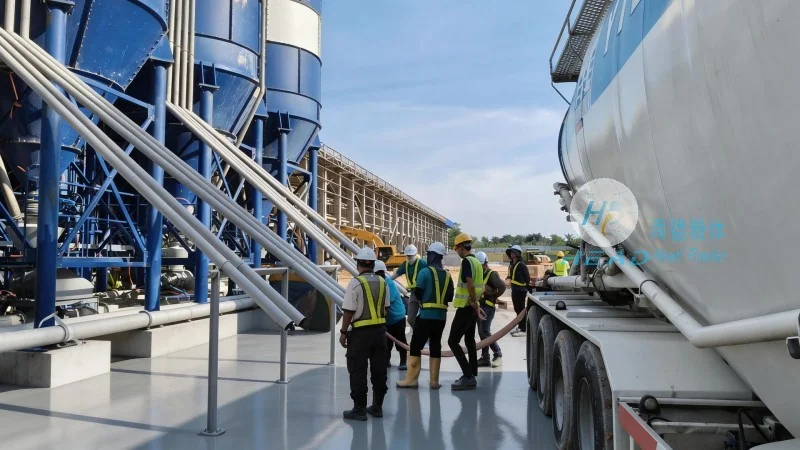
Company Overview: Shandong HeadPowder Engineering Co., Ltd.
Headpowder, a leading manufacturer in the field of material handling equipment, specializes in designing and supplying advanced air-driven conveying solutions. With a strong presence in China, particularly in Shandong province, the company has built a reputation for delivering high-quality, durable, and efficient systems tailored to the needs of various industrial applications. The company’s commitment to innovation and customer satisfaction ensures that clients receive equipment that meets both operational and safety standards.
Working Principle of Air-Driven Stone Material Conveying
The core of an air-driven conveying system is the use of compressed air as the primary driving force. The process begins with a material hopper or feeder where the stone material is stored. A rotary valve or feeder mechanism then controls the flow of material into the conveying line. Simultaneously, a blower or air compressor generates high-pressure air, which is introduced into the conveying pipeline. As the air flows through the pipe, it creates a low-pressure zone that draws the stone material into the system. The air and material mixture travels through the pipeline, overcoming resistance and distance, until it reaches the discharge point. At the destination, a cyclone separator or a rotary valve separates the material from the air, allowing the stone to be deposited in the desired location while the air is either recirculated or vented.
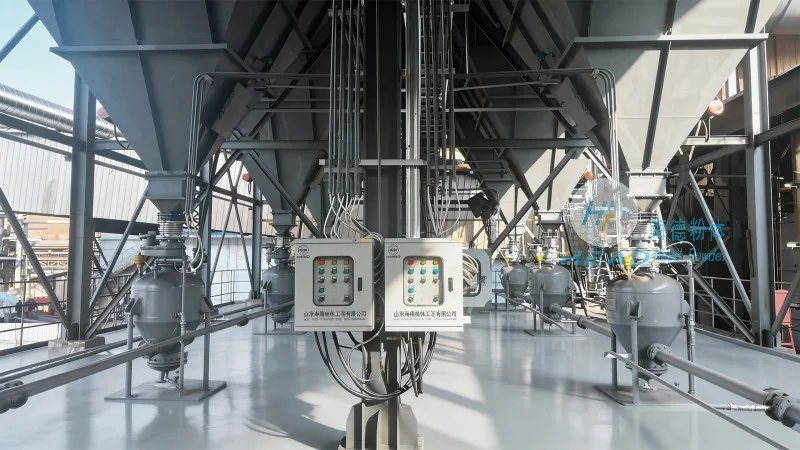
Operation Process of Air-Driven Stone Material Conveying
The operation of an air-driven stone material conveying system involves several key steps that ensure smooth and continuous material transport. First, the system is started by activating the air compressor and the material feeder. The blower generates sufficient air pressure to create the necessary suction at the inlet. Once the system is pressurized, the material feeder begins to release the stone material into the conveying line. The air flow pulls the material along the pipeline, maintaining a consistent flow rate. The system continues to operate until the material hopper is emptied or the desired quantity is transported. At the end of the process, the discharge valve is opened to release the material, and the air system is then shut down or adjusted as needed. This cycle repeats as required for ongoing material handling tasks.
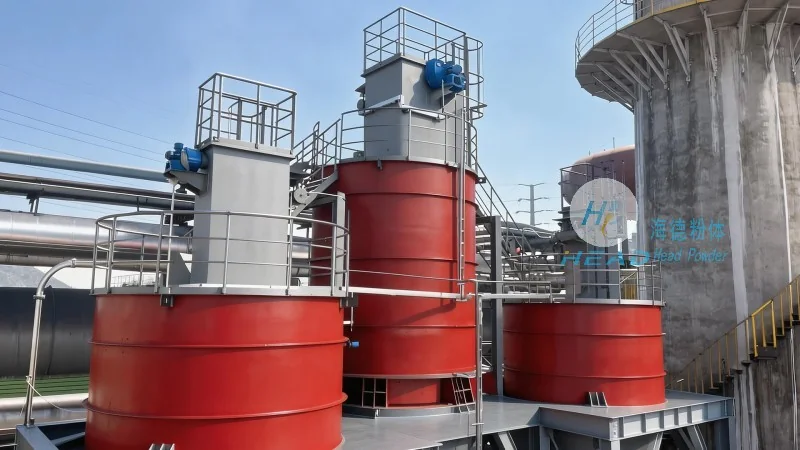
Advantages of Air-Driven Stone Material Conveying
Compared to traditional mechanical conveying methods, air-driven systems offer several advantages for stone material transport. These include reduced maintenance costs due to fewer moving parts, lower energy consumption, and the ability to handle a wide range of material sizes and types. The system is also highly flexible, allowing for changes in conveying distance or direction without major modifications. Additionally, air-driven conveying minimizes material degradation and contamination, as the material is not in direct contact with metal surfaces or other abrasive components. This makes it suitable for transporting delicate or high-value stone products. The enclosed pipeline design also helps in controlling dust and improving workplace safety, which is a critical consideration in many industrial environments.
Applications and Industries
Air-driven stone material conveying systems are widely used across various industries that require the transport of bulk aggregates. These include construction sites, mining operations, and aggregate processing plants. In construction, the system is used to move crushed stone from storage to concrete mixing plants or road construction sites. In mining, it helps in transporting ore and other materials from processing facilities to storage areas. The flexibility and efficiency of air-driven conveying make it an ideal choice for applications where traditional methods may be impractical or inefficient. Industries such as landscaping, road maintenance, and concrete production also benefit from the consistent and reliable material supply provided by these systems.




