Shandong HeadPowder Engineering Co., Ltd., commonly known as headpowder, specializes in the design, manufacturing, and installation of advanced pneumatic conveying systems for various industrial applications. With a focus on efficient and reliable material handling solutions, the company has established itself as a leading provider in the field, particularly for handling red bean and other similar bulk materials. This article delves into the operation process and working principles of a typical red bean material pneumatic conveying system, highlighting the key components, operational steps, and technical aspects that ensure optimal performance.
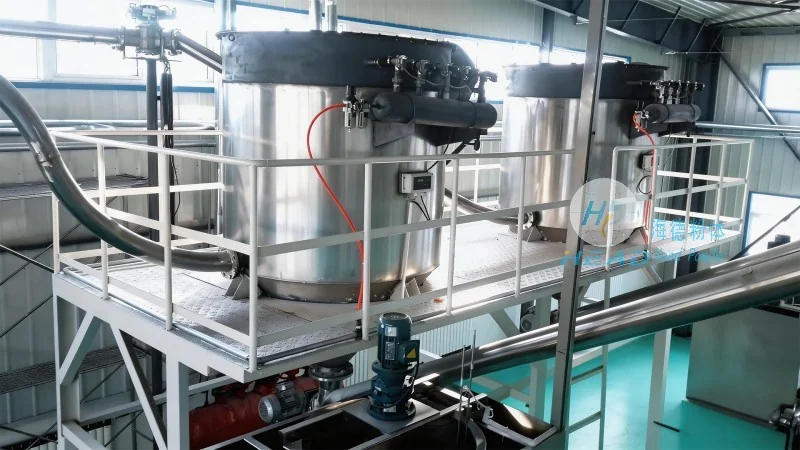
Overview of Pneumatic Conveying Systems for Red Bean Material Handling
Pneumatic conveying systems are widely used in the food processing and agricultural industries to transport bulk materials like red beans from one location to another. These systems utilize air or gas as the conveying medium to move materials through a network of pipes, eliminating the need for mechanical components such as belts or buckets. The primary advantage of pneumatic conveying is its ability to handle delicate or abrasive materials without causing damage, making it ideal for red bean processing where product integrity is crucial. headpowder's systems are engineered to meet the specific requirements of red bean handling, ensuring minimal product degradation and efficient transport.
Key Components of a Red Bean Material Pneumatic Conveying System
The operation of a red bean material pneumatic conveying system relies on several critical components that work in tandem to ensure smooth material transport. These components include:
1. Feed Hopper: The feed hopper is the initial component where red beans are stored and fed into the system. It is designed to hold a sufficient quantity of material to maintain a continuous flow, preventing interruptions in the conveying process. The hopper is equipped with a discharge valve that controls the rate of material release, which can be adjusted based on the system's capacity and operational needs.
2. Air Supply Unit: The air supply unit generates the necessary pressure or vacuum to move the red beans through the conveying lines. This unit typically includes a blower or vacuum pump, along with air filtration and regulation systems to ensure clean and consistent air quality. The air supply is critical for maintaining the desired conveying velocity and preventing material clogging in the pipes.
3. Conveying Lines: The conveying lines are the main pathways through which red beans are transported. These lines are made of durable materials such as stainless steel or PVC, chosen for their resistance to corrosion and wear from the red bean material. The pipe diameter and length are carefully selected based on the material's properties, conveying distance, and required flow rate to optimize efficiency and minimize energy consumption.
4. Separation and Collection Units: At the end of the conveying line, separation and collection units are used to separate the red beans from the air stream and collect them in a storage bin or processing unit. These units may include cyclone separators, filters, or rotary valves that ensure the material is efficiently recovered and the air is properly vented.
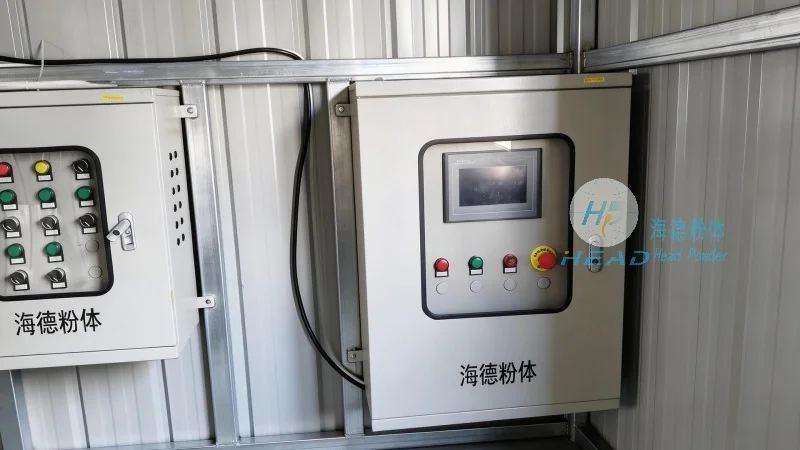
Operation Process of Red Bean Material Pneumatic Conveying
The operation process of a red bean material pneumatic conveying system involves several sequential steps that ensure the material is transported from the feed hopper to the collection unit without interruption. The process typically begins with the red beans being discharged from the feed hopper into the conveying line. Simultaneously, the air supply unit generates the required air pressure or vacuum, which is introduced into the conveying line at the inlet.
As the air flows through the conveying line, it entrains the red beans, creating a slurry-like mixture that moves along the pipe. The velocity of the air is carefully controlled to ensure that the red beans are fully suspended and transported without settling or clogging. The system's control system monitors the flow rate and pressure, adjusting the air supply as needed to maintain optimal conditions.
Upon reaching the end of the conveying line, the mixture enters the separation unit. Here, the air and red beans are separated through centrifugal force or filtration. The red beans are collected in a bin or processing vessel, while the air is filtered and discharged. The separated air may be recirculated or vented, depending on the system's design and environmental requirements.
Working Principle of Red Bean Material Pneumatic Conveying
The working principle of a red bean material pneumatic conveying system is based on the fundamental physics of fluid dynamics and particle transport. There are two primary types of pneumatic conveying systems: pressure and vacuum systems. For red bean handling, both types are commonly used, with the choice depending on the conveying distance, material properties, and operational constraints.
Pressure Conveying: In a pressure system, the air supply unit generates high-pressure air that is introduced into the conveying line at the inlet. The high-pressure air pushes the red beans through the pipe, creating a positive pressure environment. This method is suitable for short to medium conveying distances and is effective for handling materials that are less abrasive or have a lower density.
Vacuum Conveying: In a vacuum system, the air supply unit creates a low-pressure or vacuum environment at the inlet, drawing the red beans into the conveying line. The vacuum pulls the material from the feed hopper and transports it to the collection unit. This method is ideal for longer conveying distances and for handling materials that are more delicate or require a gentler transport process.
Both systems rely on the principle of air velocity to suspend the red beans and maintain their movement through the pipes. The air velocity must be sufficient to overcome the gravitational force acting on the particles and to prevent them from settling. The system's design, including pipe diameter, length, and air flow rate, is critical to achieving the desired conveying efficiency and minimizing energy consumption.
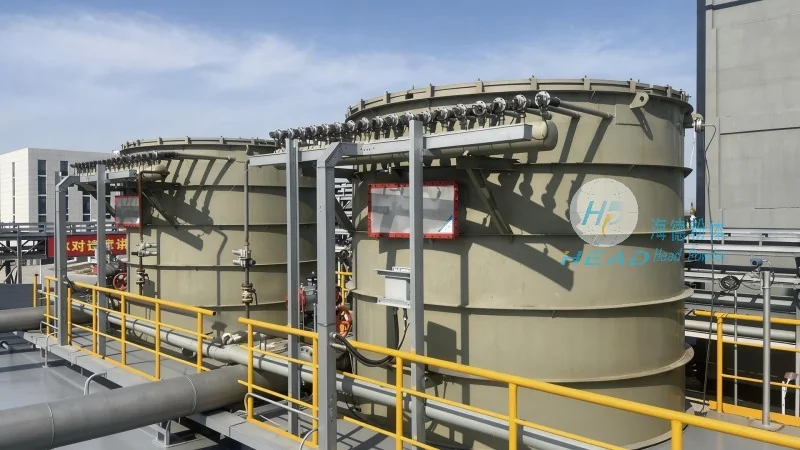
Advantages of Using Pneumatic Conveying for Red Bean Material Handling
headpowder's red bean material pneumatic conveying systems offer several advantages over traditional mechanical conveying methods. These include:
1. Reduced Product Damage: Pneumatic conveying minimizes mechanical stress on the red beans, preventing breakage or bruising that can occur with belt or bucket systems. This is particularly important for high-value red bean products where product quality is a key factor.
2. Efficient Material Handling: The system can handle large volumes of red beans with minimal labor, reducing operational costs and increasing productivity. The continuous flow of material ensures that the processing line operates at optimal capacity.
3. Customizable Design: headpowder provides customized pneumatic conveying solutions tailored to the specific needs of each client. This includes adjustments to pipe diameter, air flow rate, and system layout to accommodate different red bean varieties and processing requirements.
4. Low Maintenance: Pneumatic conveying systems have fewer moving parts compared to mechanical systems, resulting in lower maintenance costs and longer system lifespans. The use of durable materials such as stainless steel also enhances the system's longevity.
Conclusion
Shandong HeadPowder Engineering Co., Ltd. provides advanced pneumatic conveying systems that effectively handle red bean material with precision and efficiency. By understanding the operation process and working principles of these systems, industries can optimize their material handling operations, reduce costs, and maintain product quality. headpowder's expertise in designing and implementing customized solutions ensures that clients receive the most suitable pneumatic conveying system for their red bean processing needs.




