HeadPowder, a leading provider of industrial material handling solutions, specializes in the design, manufacturing, and implementation of advanced pneumatic conveying systems tailored for various powder materials, including glass powder. Based in Shandong, China, the company leverages decades of expertise to deliver efficient, reliable, and cost-effective solutions for the transportation of glass powders in industrial settings.
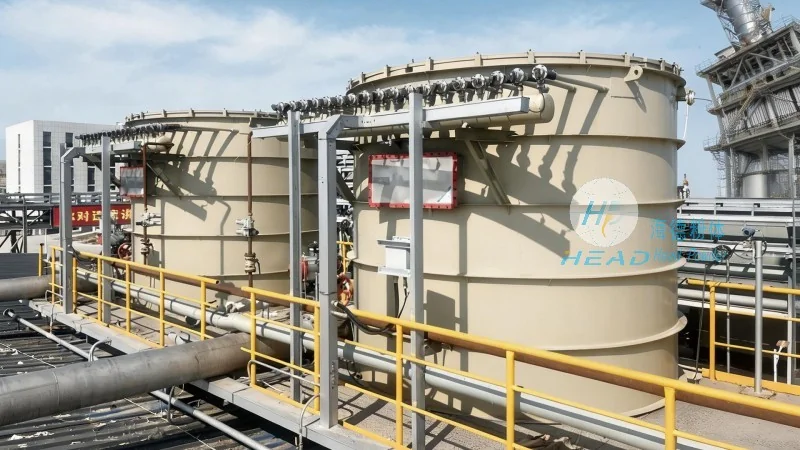
Overview of Pneumatic Conveying Systems for Glass Powder
Pneumatic conveying, or air-based material transport, is a critical technology in modern industrial operations for moving bulk materials like glass powder from one location to another. This method involves the use of pressurized or vacuum air to transport the material through a pipeline system. For glass powder, which is often fine and abrasive, specialized equipment and system designs are essential to ensure optimal performance and longevity of the conveying equipment.
Key Components of a Glass Powder Pneumatic Conveying System
A typical glass powder pneumatic conveying system consists of several core components that work in tandem to achieve efficient material transport. These components include the material feed hopper, which holds the glass powder and provides a controlled discharge mechanism; the conveying line, which is the pipeline through which the material is transported; the air compressor or vacuum pump, which generates the necessary air pressure or vacuum to move the material; and the control system, which regulates the flow of material and air to maintain consistent operation.
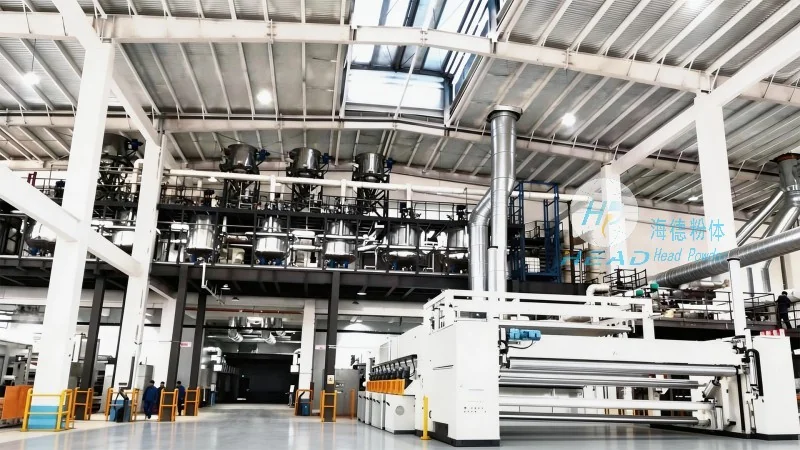
Working Principle of Pneumatic Conveying for Glass Powder
The working principle of a glass powder pneumatic conveying system is based on the interaction between the material particles and the air stream. In a pressurized system, air is forced into the conveying line at a high pressure, creating a flow that entrains the glass powder particles. The air velocity is maintained above the material's terminal velocity to ensure that the particles remain suspended and are transported through the pipeline. In a vacuum system, air is drawn out of the line, creating a negative pressure that pulls the glass powder from the source into the conveying line. The choice between pressurized and vacuum systems depends on factors such as the distance to be covered, the material's properties, and the system's overall design requirements.
Operation Process of a Glass Powder Pneumatic Conveying System
The operation process of a glass powder pneumatic conveying system involves several sequential steps to ensure smooth and continuous material transport. First, the glass powder is fed into the material hopper from the storage silo or production line. The hopper is equipped with a feeder, such as a rotary valve or a screw feeder, which controls the flow rate of the material into the conveying line. Next, the air compressor or vacuum pump is activated, generating the required air pressure or vacuum. The air is then introduced into the conveying line, either at the inlet (for pressurized systems) or at the outlet (for vacuum systems), depending on the system configuration. As the air flows through the pipeline, it entrains the glass powder particles, forming a slurry-like mixture that is transported to the destination point. At the receiving end, the material is separated from the air using a separator or cyclone, and the glass powder is collected in a receiving hopper or storage tank. The control system continuously monitors the flow rates of both material and air, adjusting the feeder speed or air pressure as needed to maintain stable operation and prevent system blockages or inefficiencies.
Advantages of Using Pneumatic Conveying for Glass Powder Handling
Implementing a pneumatic conveying system for glass powder offers numerous advantages over traditional methods like belt conveyors or manual handling. One of the primary benefits is the ability to transport glass powder in a closed system, which minimizes dust emissions and protects the material from contamination and degradation. This is particularly important for glass powder, which can be sensitive to moisture and other environmental factors. Additionally, pneumatic conveying systems can handle fine and abrasive materials like glass powder without causing excessive wear on the equipment, as the material is suspended in the air stream rather than being dragged along a conveyor belt. The systems also offer flexibility in terms of layout, as the conveying lines can be installed in various configurations to accommodate different plant layouts and production requirements. Furthermore, pneumatic conveying systems can achieve high material transport rates with relatively low energy consumption compared to other bulk material handling methods, making them a cost-effective solution for glass powder handling in industrial applications.
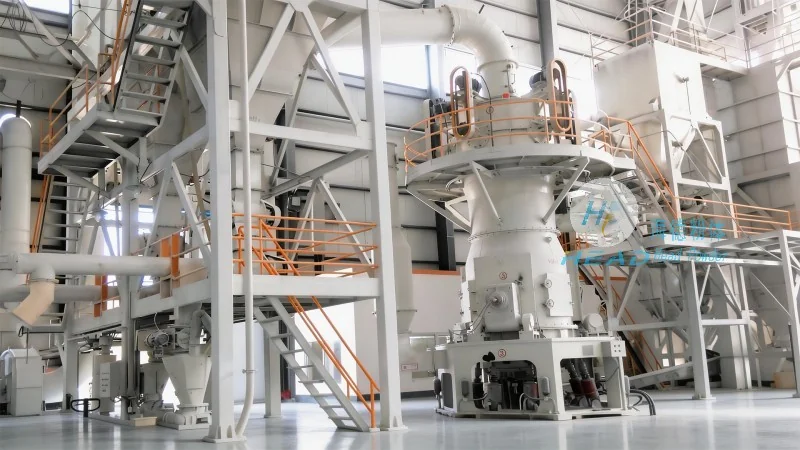
Applications of Glass Powder Pneumatic Conveying Systems
Glass powder pneumatic conveying systems are widely used in various industries that rely on glass powder as a raw material or intermediate product. These applications include the glass manufacturing industry, where glass powder is used in the production of glass containers, fiberglass, and other glass products. The systems are also utilized in the chemical industry for the transport of glass powder in processes involving glass-based catalysts or fillers. Additionally, in the construction industry, glass powder is used as a component in concrete and other building materials, and pneumatic conveying systems are employed to transport the powder from storage to mixing plants. The versatility of the systems allows them to be adapted to a wide range of applications, making them a valuable asset in any industrial operation that handles glass powder.
Maintenance and Troubleshooting for Glass Powder Pneumatic Conveying Systems
To ensure the long-term reliability and efficiency of a glass powder pneumatic conveying system, regular maintenance and proper troubleshooting are essential. Regular maintenance tasks include inspecting and cleaning the conveying lines to prevent the buildup of dust and debris, which can reduce air flow and cause system blockages. The material feed hopper and feeder components should also be inspected regularly to ensure they are functioning correctly and not experiencing wear or damage. The air compressor or vacuum pump should be checked for proper operation, including checking for air leaks and ensuring the oil levels are maintained at appropriate levels. Additionally, the control system should be tested periodically to ensure it is responding correctly to changes in material flow or air pressure. Troubleshooting common issues such as system blockages, reduced material flow, or excessive dust emissions involves checking the system for obstructions, verifying the air pressure or vacuum levels, and adjusting the feeder speed or air flow as needed. By following a regular maintenance schedule and addressing issues promptly, the performance and lifespan of the glass powder pneumatic conveying system can be maximized, ensuring consistent and reliable material transport in industrial operations.




