Understanding the operation process and working principle of pneumatic conveying for tungsten carbide materials is crucial for optimizing material handling in industrial applications. This article provides a detailed overview of the key aspects involved in the process, emphasizing the technical considerations and practical implementation strategies.
Introduction to Pneumatic Conveying of Tungsten Carbide
Tungsten carbide is a high-performance material widely used in cutting tools, wear-resistant components, and other industrial applications due to its exceptional hardness and durability. The efficient and reliable transport of tungsten carbide powders or granules is essential for maintaining production efficiency and product quality. Pneumatic conveying offers a versatile solution for handling such materials, enabling dust-free, low-cost, and automated material transport compared to traditional methods like belt conveyors or bucket elevators.
About HeadPowder: Expert in Material Handling Solutions
HeadPowder, or Shandong HeadPowder Engineering Co., Ltd., is a leading provider of advanced material handling systems, specializing in the design, manufacturing, and integration of pneumatic conveying equipment. With operations based in Shandong, China, the company leverages over years of industry experience to deliver customized solutions tailored to the unique requirements of tungsten carbide processing facilities. HeadPowder's expertise lies in optimizing material flow, ensuring minimal product degradation, and enhancing overall system efficiency.
Key Components of a Pneumatic Conveying System for Tungsten Carbide
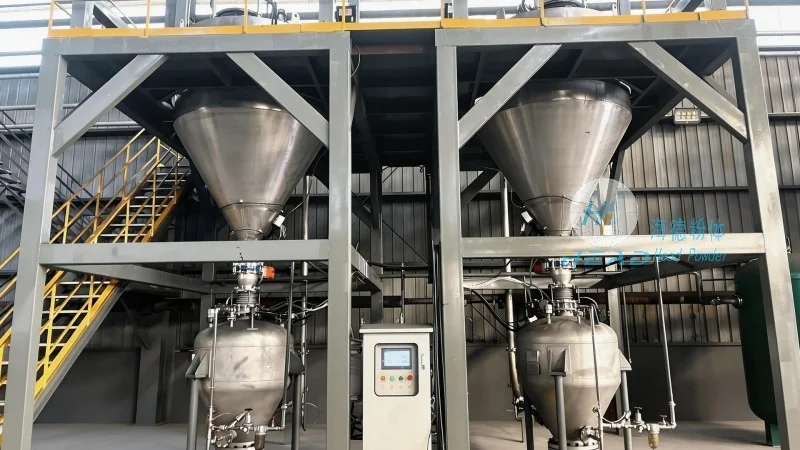
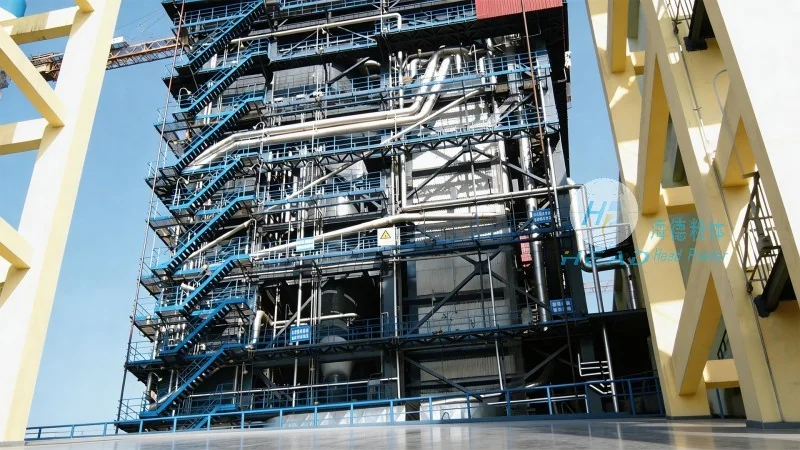
A typical pneumatic conveying system for tungsten carbide materials consists of several critical components that work in concert to achieve effective material transport. These components include the material feed hopper, which stores and meters the tungsten carbide feed; the air supply system, which generates the necessary airflow; the conveying line, which transports the material; and the discharge unit, which delivers the material to the destination. Additionally, control systems and filtration units are integrated to regulate the process and maintain air quality.
The Operation Process: Step-by-Step Overview
The operation process of a pneumatic conveying system for tungsten carbide involves a series of sequential steps designed to ensure smooth and continuous material transport. The process begins with the loading of tungsten carbide material into the feed hopper. The material is then metered and introduced into the conveying line as the system is activated. The air supply system generates a controlled airflow that lifts and transports the material particles through the pipeline. The conveying line may include bends, expansions, or other components to direct the material flow and maintain consistent velocity. Upon reaching the discharge point, the material is released and collected in the receiving container. The system then returns to the idle state until the next cycle begins.
Working Principle: How Pneumatic Conveying Transports Tungsten Carbide
The working principle of pneumatic conveying relies on the interaction between the material particles and the air flow within the conveying line. In a dilute-phase system, the air velocity is sufficient to suspend the tungsten carbide particles, allowing them to be carried through the pipeline. The pressure drop along the conveying line is a critical factor, as it determines the system's capacity and efficiency. The system operates by creating a pressure differential between the feed and discharge points, which drives the material forward. The design of the system, including the air velocity, pipeline diameter, and material properties, is optimized to achieve the desired conveying rate while minimizing energy consumption and wear on components.
Advantages of Pneumatic Conveying for Tungsten Carbide Handling
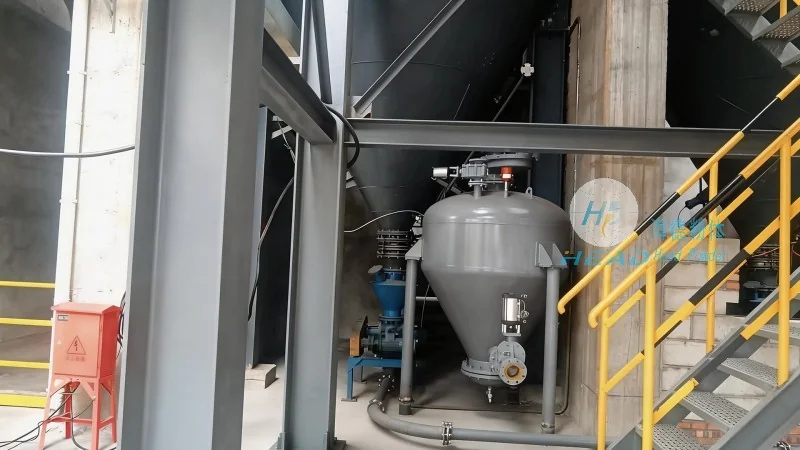
Pneumatic conveying offers several advantages when handling tungsten carbide materials. These include the ability to transport materials in a dust-free environment, which is essential for maintaining product purity and worker safety. The system also provides flexibility in terms of layout, as it can be configured to follow complex paths and integrate with existing equipment. Additionally, pneumatic conveying reduces material degradation compared to mechanical systems, as there is minimal contact between the material and equipment surfaces. The automated nature of the system enhances operational efficiency and reduces labor costs, making it a cost-effective solution for high-volume tungsten carbide processing.
Conclusion: Optimizing Tungsten Carbide Material Handling with Pneumatic Conveying
In conclusion, the operation process and working principle of pneumatic conveying for tungsten carbide materials represent a sophisticated and efficient approach to material handling. By understanding the key components, operation steps, and working principles, industrial facilities can optimize their material transport systems to improve productivity, reduce costs, and enhance product quality. HeadPowder, with its expertise in material handling solutions, continues to provide innovative systems that meet the evolving needs of the tungsten carbide industry, ensuring reliable and efficient material transport for years to come.




