Efficient and reliable material handling is crucial in the coffee processing industry, where maintaining product quality and operational efficiency are top priorities. Pneumatic conveying systems offer a solution that addresses these needs by providing a clean, dust-free method for transporting dry coffee materials. This article explores the operation process and working principles of such systems, highlighting their benefits and the technical aspects that ensure optimal performance.
Understanding Pneumatic Conveying Systems
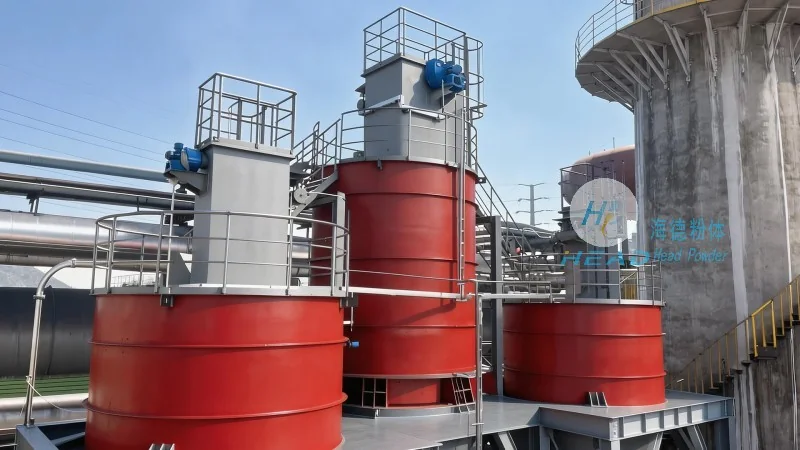
Pneumatic conveying systems use air or gas to transport dry materials like coffee beans, ground coffee, or other granular products through a network of pipes. Unlike traditional mechanical conveying methods, these systems eliminate the need for moving parts in contact with the product, reducing contamination risks and maintenance requirements. The core components of a typical pneumatic conveying system include a material hopper, a feeder, a conveying line, a separation unit, and a receiver. Each component plays a vital role in the overall operation, ensuring that the coffee material is moved safely and efficiently from one location to another.
The Operation Process of Dry Coffee Material Pneumatic Conveying
The operation process of a dry coffee material pneumatic conveying system involves several sequential steps that work in harmony to achieve the desired transport. The process begins with the loading of the coffee material into the material hopper. The hopper is designed to store the bulk material and provide a consistent feed to the feeder. As the material is drawn from the hopper, the feeder regulates the flow rate, ensuring a steady supply of coffee beans or ground coffee into the conveying line. The feeder may be a rotary valve, a screw feeder, or a vibratory feeder, depending on the system design and the characteristics of the coffee material.
Once the material is fed into the conveying line, the system introduces compressed air or gas to create a flow that propels the coffee particles through the pipes. The air velocity is carefully controlled to maintain the material in a suspended state, preventing blockages and ensuring smooth transport. The conveying line is typically made of stainless steel or other corrosion-resistant materials to withstand the acidic nature of coffee and to maintain hygiene standards. The length and diameter of the pipes are optimized based on the distance to be covered and the material's bulk density, ensuring efficient energy use and minimal pressure drop.
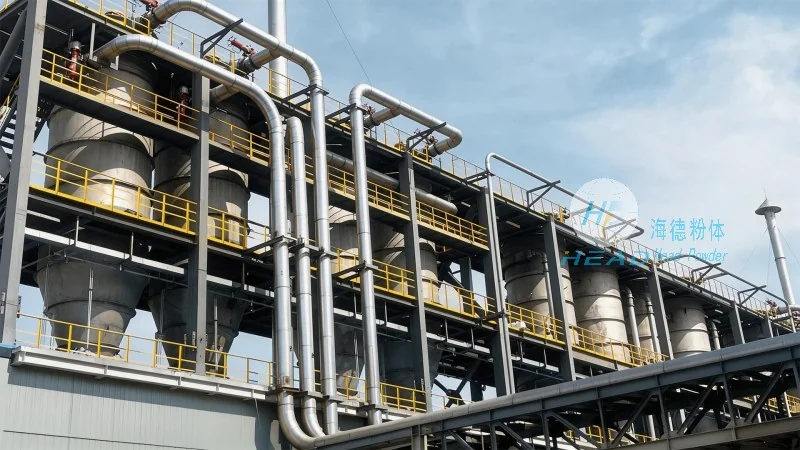
At the receiving end, the system uses a separation unit to separate the coffee material from the air stream. This unit may be a cyclone separator, a bag filter, or a combination of both, depending on the system's design and the required level of dust control. The separated coffee material is then collected in a receiver, which is usually a storage bin or a processing unit. The air, now filtered of any coffee particles, is either vented to the atmosphere or recycled back into the system, depending on the environmental regulations and energy efficiency considerations.
Working Principles of Pneumatic Conveying for Dry Coffee
The working principle of pneumatic conveying for dry coffee materials is based on the fundamental concept of fluidization and suspension. When compressed air is introduced into the conveying line at a sufficient velocity, it creates a turbulent flow that lifts the coffee particles and keeps them suspended in the air stream. This process is known as pneumatic transport, and it relies on the balance between the air velocity and the material's terminal velocity. The terminal velocity is the speed at which the coffee particles fall through the air due to gravity, and it is determined by the particle size, shape, and density. By maintaining the air velocity above the terminal velocity, the system ensures that the coffee particles remain in suspension, preventing them from settling and causing blockages.
Another key principle is the use of pressure or vacuum in the conveying system. Pressure systems use compressed air to push the material through the pipes, while vacuum systems use a vacuum pump to pull the material from the source. The choice between pressure and vacuum depends on the application, the distance to be covered, and the material's properties. For dry coffee materials, pressure systems are often preferred as they can handle longer distances and larger quantities of material with less energy consumption compared to vacuum systems.
The system also incorporates control mechanisms to regulate the flow and pressure, ensuring stable operation. Sensors and controllers monitor the pressure, flow rate, and material level, adjusting the air supply or feeder speed as needed to maintain optimal conditions. This automation helps to prevent overloading, underloading, or pressure spikes that could damage the equipment or affect the quality of the coffee material.
About Shandong HeadPowder Engineering Co., Ltd.
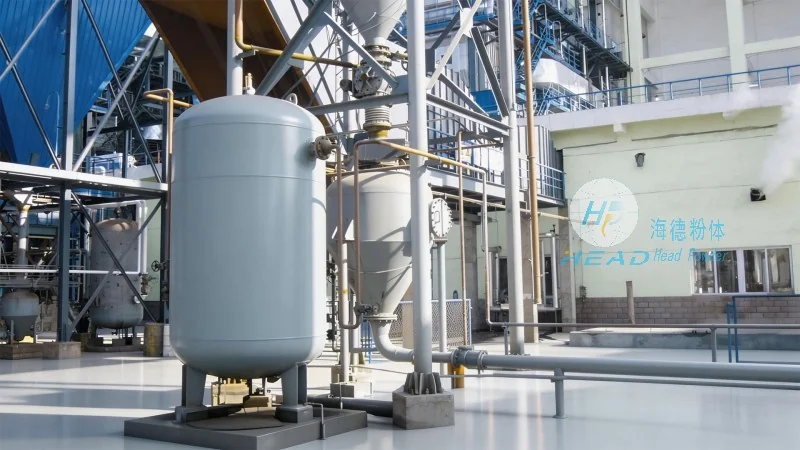
Shandong HeadPowder Engineering Co., Ltd., operating under the brand name headpowder, is a leading manufacturer of pneumatic conveying systems and related equipment for the food processing industry. With a focus on innovation and quality, the company has developed advanced solutions tailored to the specific needs of coffee processing facilities. The company's expertise lies in designing and manufacturing systems that meet the stringent hygiene and safety standards required by the industry, ensuring that the coffee material is handled with the utmost care and precision.
HeadPowder's pneumatic conveying systems are engineered to provide reliable and efficient material transport, reducing downtime and maintenance costs for coffee processing plants. The company's products are designed with durability and ease of cleaning in mind, which is essential for maintaining the high standards of food safety. By leveraging years of experience and continuous research, headpowder has become a trusted partner for coffee manufacturers seeking to enhance their operational efficiency and product quality.
HeadPowder is committed to providing customized solutions that address the unique challenges faced by coffee processing facilities. The company's team of engineers and technicians work closely with clients to understand their specific requirements and develop systems that meet their operational needs. Whether it's a new installation or an upgrade to an existing system, headpowder offers comprehensive support, including design, manufacturing, installation, and after-sales service. With a strong presence in China and a growing international market, headpowder continues to be a leader in the pneumatic conveying industry, delivering high-quality products and services to clients worldwide.




