HeadPowder, a leading engineering company based in Shandong, China, specializes in the design, manufacturing, and installation of advanced pneumatic conveying systems for coal powder and other bulk materials. This article provides a detailed overview of the operation process and working principles of such systems, highlighting the key components and mechanisms involved in efficient material transport.
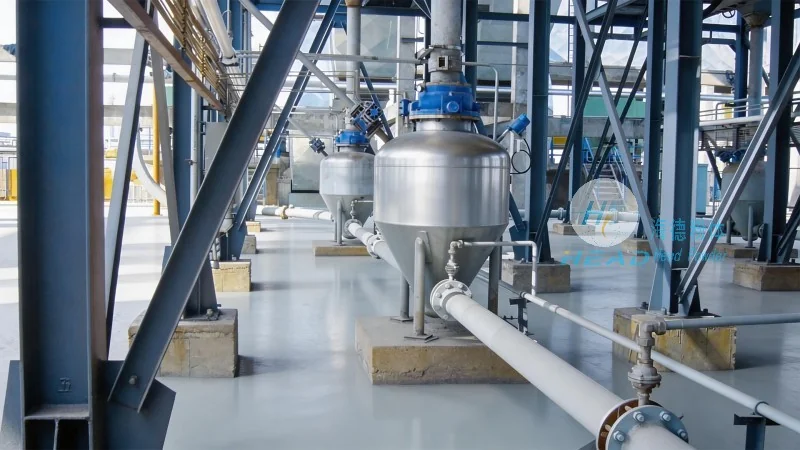
Company Profile and Background
HeadPowder Engineering Co., Ltd. is a professional enterprise dedicated to providing high-quality pneumatic conveying solutions. With a strong focus on innovation and customer satisfaction, the company has established itself as a trusted partner in the industry. HeadPowder's systems are engineered to meet the specific requirements of various industrial applications, ensuring reliable and efficient material handling. The company's headquarters is located in Shandong, China, where it maintains state-of-the-art facilities for research, development, and production.
Overview of Pneumatic Conveying Systems for Coal Powder
Pneumatic conveying systems are widely used in industries such as power generation, cement, and chemical processing to transport coal powder and other fine particulate materials. These systems utilize compressed air or gas to move materials through a pipeline network, eliminating the need for mechanical components like conveyors or buckets. The primary advantage of pneumatic conveying is its ability to handle materials that are difficult to transport using traditional methods, such as those with high moisture content or abrasive properties.
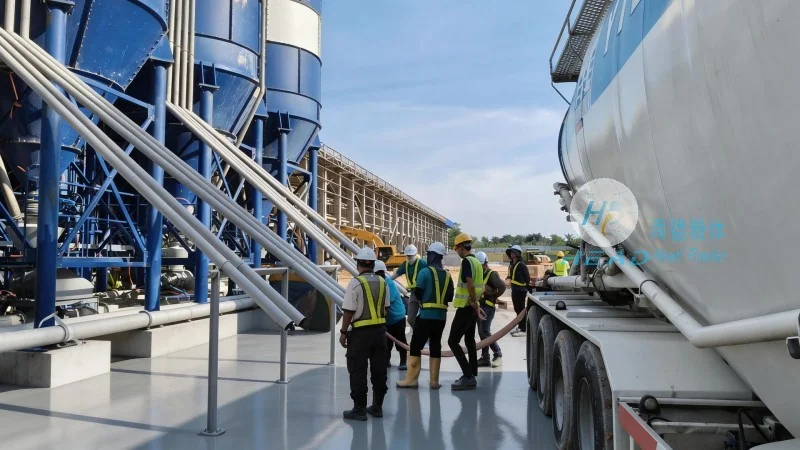
Key Components of the System
The coal powder pneumatic conveying system typically consists of several critical components, each playing a vital role in the overall operation. These components include a material feeder, a compressor or air source, a pipeline network, a control system, and a discharge device. The material feeder is responsible for feeding the coal powder into the system at a controlled rate, ensuring a consistent flow of material. The compressor generates the necessary pressure and airflow to move the material through the pipeline. The pipeline network connects the feeder to the discharge point, with appropriate fittings and valves for direction control. The control system monitors and regulates the operation of the system, adjusting parameters like air pressure and material feed rate as needed. Finally, the discharge device, such as a rotary valve or a dust collector, collects the material at the end of the pipeline.
Operation Process of the Pneumatic Conveying System
The operation of a coal powder pneumatic conveying system involves several sequential steps, each designed to ensure efficient and safe material transport. The process begins with the feeding of coal powder into the system. The material feeder, often a screw feeder or a rotary valve, meters the coal powder and introduces it into the pipeline. Simultaneously, the compressor starts and generates compressed air, which is then introduced into the pipeline at the inlet of the feeder. The compressed air creates a high-velocity flow within the pipeline, carrying the coal powder particles along with it. As the material travels through the pipeline, it is propelled by the air stream, overcoming the gravitational force and any resistance within the system. The pipeline network may include bends, expansions, or other components that require additional air pressure to maintain the material's suspension. The control system continuously monitors the pressure and flow rates, adjusting the compressor output to maintain optimal conditions. Upon reaching the discharge point, the material is released from the pipeline into the receiving vessel or storage silo. The discharge device, such as a rotary valve, regulates the flow of material out of the system, preventing backflow and ensuring a smooth discharge process.
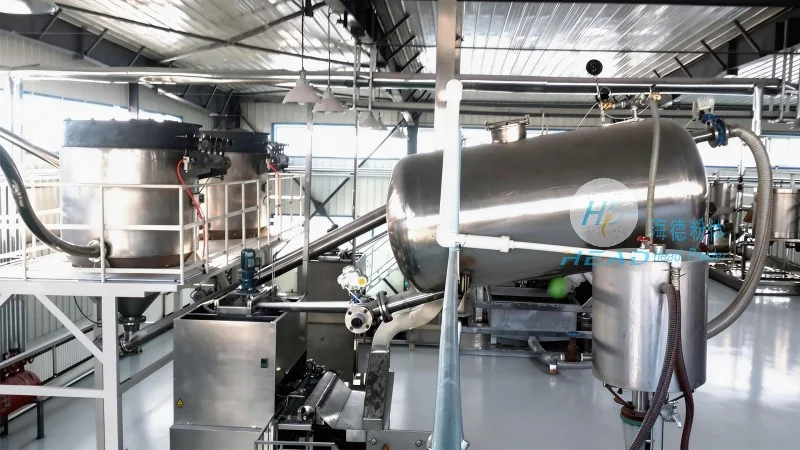
Working Principle of the Pneumatic Conveying System
The working principle of a coal powder pneumatic conveying system is based on the fundamental concept of fluidization and suspension of solid particles by a gas stream. When compressed air is introduced into the pipeline, it creates a turbulent flow that lifts the coal powder particles and keeps them suspended in the air. This process is known as pneumatic transport, where the material is carried by the air as a slurry. The key to efficient operation is maintaining the material in a suspended state throughout the pipeline. The velocity of the air stream must be sufficient to overcome the gravitational force acting on the particles and any frictional forces within the pipeline. The system's design, including the size and shape of the pipeline, the angle of bends, and the type of fittings, all contribute to the overall efficiency of the conveying process. The control system plays a crucial role in maintaining the optimal air velocity and pressure, ensuring that the material remains suspended and is transported to the discharge point without clogging or loss of material.
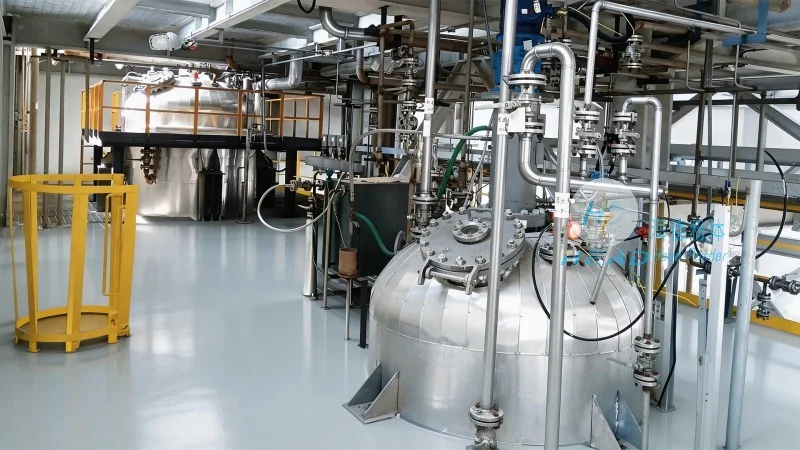
Advantages and Applications of the System
The coal powder pneumatic conveying system offers several advantages over traditional material handling methods. These include the ability to transport materials over long distances, the elimination of mechanical wear and tear, and the reduction of material contamination. The system is particularly suitable for applications where the material is sensitive to moisture or where a dust-free environment is required. HeadPowder's systems are widely used in power plants for transporting coal from storage silos to boilers, in cement plants for conveying raw materials and finished products, and in chemical processing facilities for handling various powders and granules. The company's expertise in system design and integration ensures that each installation is tailored to meet the specific needs of the customer, providing reliable and efficient material transport solutions.
Conclusion
In conclusion, the operation process and working principle of a coal powder material pneumatic conveying system are complex but highly effective mechanisms for transporting bulk materials. HeadPowder Engineering Co., Ltd., with its extensive experience and advanced technology, provides comprehensive solutions that ensure optimal performance and reliability. By understanding the key components and operational steps, users can appreciate the efficiency and versatility of pneumatic conveying systems, making them an essential part of modern industrial material handling.




