Operation Process and Working Principle of Magnesia Material Pneumatic Conveying System
Release time:2026-09-21 10:01:42
name of the company:Shandong Headpowder Engineering Co., Ltd.
telephone:156-6277-7102
contacts:Zhang manager
The magnesia material pneumatic conveying system is a specialized industrial solution designed for the efficient and safe transportation of magnesia powders and related materials. As a key component in various industrial applications, such as refractory production, chemical processing, and material handling, this system ensures reliable material transfer while maintaining high operational standards. The system is engineered to handle the unique properties of magnesia, including its fine particle size, chemical reactivity, and potential dust generation, making it an essential tool for industries that rely on consistent and controlled material movement.
Key Components and Their Roles
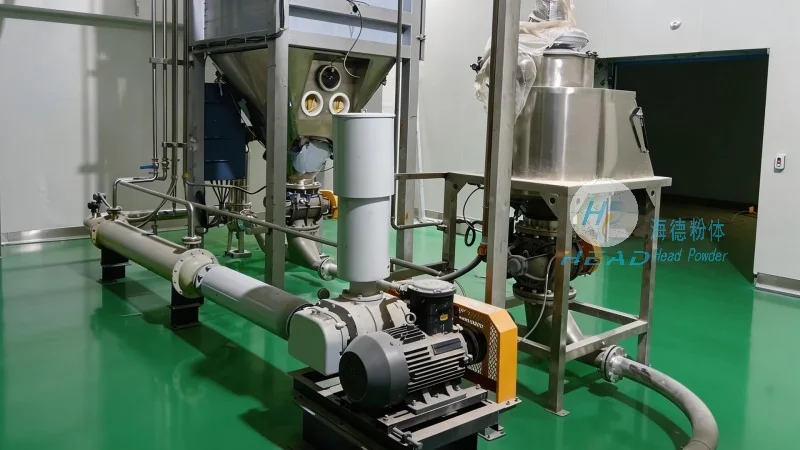
At the core of the magnesia material pneumatic conveying system are several critical components that work in tandem to achieve efficient material transport. The primary components include the material hopper, air compressor, conveyor pipe, control valve, and dust collection system. Each component plays a vital role in the overall operation:
- Material Hopper: This is the storage vessel where magnesia powders are loaded before being fed into the system. It is designed with a hopper shape to facilitate the natural flow of material and prevent clogging, ensuring a steady supply of material to the conveying line.
- Air Compressor: The air compressor generates the necessary pressure and airflow to move the magnesia particles through the conveyor pipes. It is typically equipped with a pressure regulator to maintain consistent air pressure, which is crucial for stable material transport.
- Conveyor Pipe: The system uses a network of pipes, often made from materials like stainless steel or special alloys, to transport the magnesia particles. The pipe design is optimized to minimize friction and pressure loss, ensuring efficient material movement over long distances.
- Control Valve: The control valve regulates the flow of air and material, allowing operators to adjust the conveying rate and pressure as needed. It helps in maintaining the system's stability and preventing overloading or underloading of the conveyor.
- Dust Collection System: Given the fine nature of magnesia powders, a dust collection system is integrated to capture and filter any airborne particles, ensuring environmental compliance and worker safety. This system typically includes filters and a collection tank to manage dust emissions.
Operation Process: Step-by-Step Explanation
The operation of the magnesia material pneumatic conveying system follows a systematic process that ensures smooth and continuous material transfer. The steps involved are as follows:
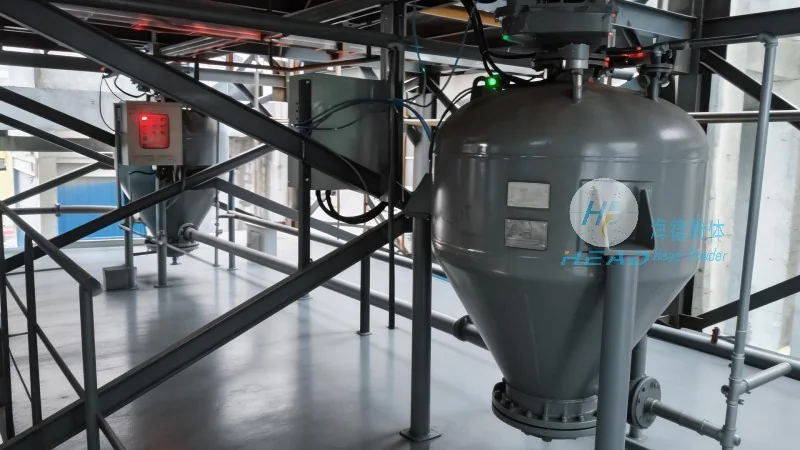
- Material Loading: Magnesia powders are loaded into the material hopper from a storage silo or direct from the production line. The hopper is equipped with a feeder, such as a rotary valve or a screw feeder, to control the flow rate of material into the system.
- Air Compression and Injection: The air compressor generates compressed air, which is then injected into the conveyor pipe. The air pressure is adjusted to match the material's characteristics and the required conveying distance.
- Material Suspension and Transport: As compressed air flows through the pipe, it creates a low-pressure zone that suspends the magnesia particles in the air stream. The particles are carried along the pipe by the airflow, moving from the hopper to the destination point (e.g., a storage silo, processing unit, or packaging area).
- Control and Monitoring: The control valve and monitoring system continuously adjust the air pressure and flow rate to maintain optimal conveying conditions. Sensors and indicators are used to detect any abnormalities, such as blockages or pressure drops, allowing for immediate intervention.
- Dust Management: Throughout the process, the dust collection system captures any particles that escape the conveyor pipe, preventing dust emissions and ensuring a clean working environment.
- Discharge and Collection: At the receiving end of the conveyor pipe, the magnesia particles are discharged into a collection hopper or directly into the next processing stage. The system is designed to ensure minimal material loss and complete transfer of the material.
Working Principle: How It Works
The working principle of the magnesia material pneumatic conveying system is based on the principle of pneumatic transport, where solid particles are suspended and transported by a moving air stream. The key mechanisms involved are as follows:
- Fluidization: The compressed air flowing through the conveyor pipe creates a fluidized bed of magnesia particles. This fluidization allows the particles to behave like a fluid, enabling them to be moved easily through the pipe.
- Pressure Drop and Velocity: The pressure drop along the conveyor pipe is a critical factor in determining the conveying velocity. The system is designed to maintain an appropriate pressure drop to ensure the particles are suspended and transported at a consistent speed.
- Particle Size and Density: The size and density of the magnesia particles affect the system's performance. Finer particles require higher air velocities to remain suspended, while larger particles may need lower velocities but higher air pressure to move effectively.
- System Efficiency: The efficiency of the pneumatic conveying system is influenced by factors such as pipe diameter, length, and the type of air compressor. Proper design and maintenance are essential to maximize the system's conveying capacity and minimize energy consumption.
Advantages of Using Magnesia Material Pneumatic Conveying Systems
Implementing a magnesia material pneumatic conveying system offers several advantages for industrial operations. These benefits include:
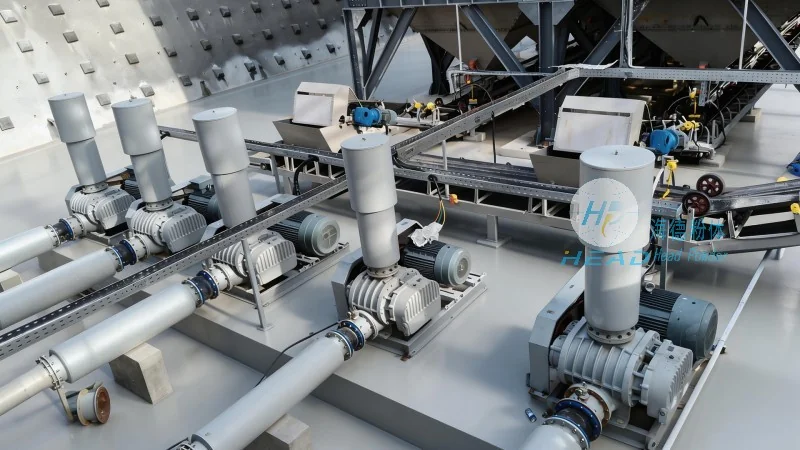
- Efficient Material Handling: The system provides a continuous and automated method of transporting magnesia powders, reducing manual labor and improving operational efficiency.
- Reduced Downtime: With a well-designed system, the risk of material blockages and system downtime is minimized. The control valve and monitoring system help in early detection of issues, allowing for quick resolution.
- Improved Safety and Environmental Compliance: The integrated dust collection system ensures that airborne particles are captured, reducing the risk of dust explosions and meeting environmental regulations.
- Space-Saving Design: Pneumatic conveying systems are often more compact than traditional mechanical conveyors, making them suitable for facilities with limited space.
- Versatility: The system can handle various types of magnesia materials, including different grades and particle sizes, making it adaptable to different industrial applications.
Application Examples in Industrial Settings
The magnesia material pneumatic conveying system is widely used in various industrial sectors where magnesia powders are a key component. Some common applications include:
- Refractory Production: In the production of refractory materials, magnesia powders are transported from storage to mixing and molding equipment. The system ensures a consistent supply of raw materials, which is critical for maintaining product quality.
- Chemical Processing: In chemical plants, magnesia is used as a filler or catalyst in various processes. The pneumatic conveying system facilitates the transfer of these materials between reactors, storage tanks, and processing units.
- Food and Pharmaceutical Industries: While less common, some applications involve the handling of magnesia-based products in food or pharmaceutical manufacturing, where the system's dust control features are particularly beneficial.
- Construction Materials: In the production of construction materials like magnesia-based cements or coatings, the system helps in transporting the raw materials to the production line, ensuring uniform mixing and quality control.
Maintenance and Best Practices for Optimal Performance
To ensure the long-term reliability and efficiency of the magnesia material pneumatic conveying system, regular maintenance and adherence to best practices are essential. Key maintenance activities include:




