Shandong HeadPowder Engineering Co., Ltd., a leading manufacturer based in Shandong, China, specializes in the design, development, and implementation of advanced pneumatic conveying systems for various industrial applications. Among these, the sulfur powder material pneumatic conveying system stands out due to its efficiency and reliability in handling fine, abrasive, and potentially hazardous powders like sulfur. This article delves into the operational process and underlying working principles of such a system, providing a comprehensive overview for industry professionals and potential clients.
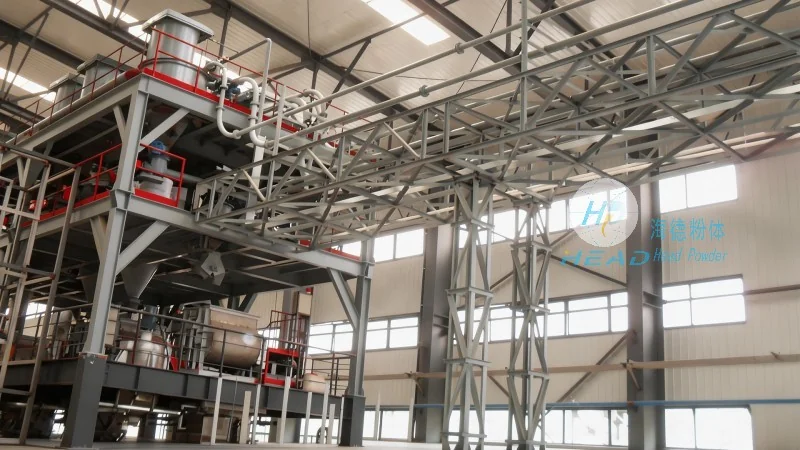
Key Components of the Sulfur Powder Pneumatic Conveying System
The sulfur powder pneumatic conveying system comprises several critical components that work in tandem to ensure smooth material transport. These include the hopper for bulk storage, a rotary valve or feeder to control the flow rate, a compressor or blower to generate the necessary air pressure, a pipeline network for material transport, and a receiver or discharge unit for the final delivery. Each component plays a vital role in maintaining the system's performance and safety.
Working Principle of the Pneumatic Conveying Process
The core of the system operates on the principle of air movement to transport solid particles. In a typical positive pressure system, a blower or compressor forces air into the pipeline, creating a high-pressure environment. As the sulfur powder is introduced into the hopper, it is drawn into the pipeline by the moving air stream. The air and powder mixture travels through the pipeline, with the air providing the necessary kinetic energy to move the particles. The system may include features like pulse-jet cleaning to prevent clogging and maintain consistent flow rates.
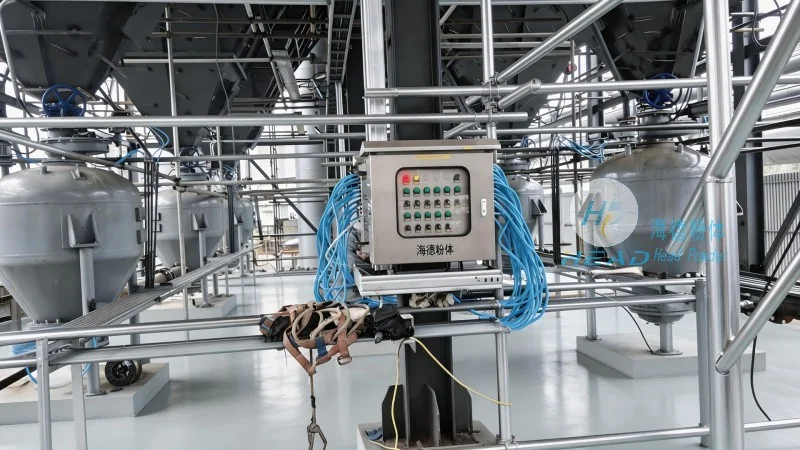
Operation Process: From Hopper to Discharge
The operational process begins with the loading of sulfur powder into the storage hopper. The rotary valve or feeder then regulates the flow of powder into the pipeline, ensuring a steady feed rate. The blower or compressor generates the required air pressure, which is introduced into the pipeline through an air inlet. As the air flows, it picks up the sulfur particles and transports them to the discharge point. The receiver or discharge unit collects the material, and the air is either filtered and recirculated or vented to the atmosphere, depending on the system design. This continuous cycle ensures efficient and reliable material handling, minimizing downtime and operational costs.
Advantages of Using a Pneumatic Conveying System for Sulfur Powder
Implementing a pneumatic conveying system for sulfur powder offers several advantages over traditional methods like belt conveyors or bucket elevators. These include reduced material degradation due to minimal contact with equipment, improved safety by containing dust and preventing exposure to workers, and enhanced flexibility in system layout and material routing. The system also allows for easy integration with other industrial processes, such as blending or packaging, and can be scaled to accommodate varying production volumes.
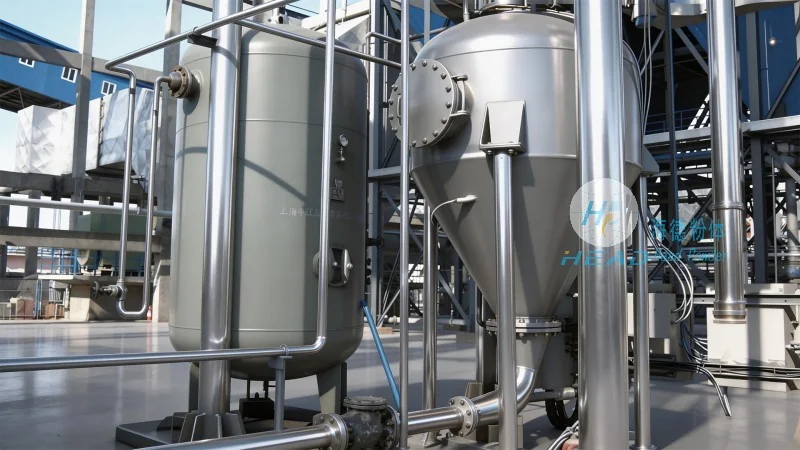
Maintenance and Operational Considerations
To ensure the long-term performance and reliability of the sulfur powder pneumatic conveying system, regular maintenance is essential. This includes inspecting and cleaning the hopper and feeder to prevent clogging, checking the compressor or blower for optimal performance, and monitoring the pipeline for any signs of wear or damage. Additionally, proper filtration of the air stream is crucial to prevent dust accumulation and maintain air quality. By adhering to these maintenance practices, users can maximize the system's lifespan and minimize operational disruptions.
Conclusion
Shandong HeadPowder Engineering Co., Ltd. provides high-quality pneumatic conveying systems tailored to the specific needs of sulfur powder handling. By understanding the operational process and working principles outlined above, industry professionals can make informed decisions about implementing such systems, leading to improved efficiency, safety, and productivity in their operations. With its expertise and commitment to excellence, HeadPowder continues to be a trusted partner in the design and implementation of advanced material handling solutions.




