For companies in the ceramic industry, efficient material handling is crucial to maintaining production efficiency and product quality. Pneumatic conveying systems have become a key solution for transporting ceramic powders, offering advantages such as dust-free operation, flexible layout, and low maintenance. This article introduces the operation process and working principle of a ceramic powder material pneumatic conveying system, providing a comprehensive understanding of its application and technical characteristics.
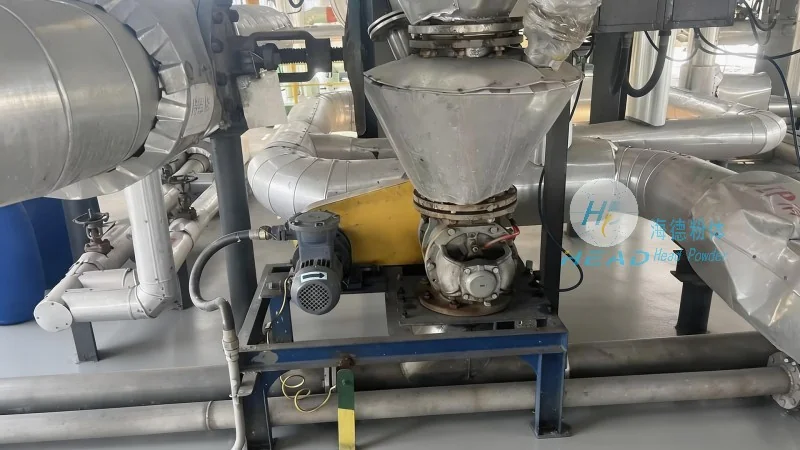
Company Profile: Shandong HeadPowder Engineering Co., Ltd.
HeadPowder, a leading engineering company based in Shandong, China, specializes in the design, manufacturing, and installation of advanced material handling systems. With years of experience in the industry, HeadPowder has developed a strong reputation for delivering high-quality solutions tailored to the unique needs of ceramic manufacturers. The company's expertise lies in optimizing material flow, ensuring safety, and enhancing overall operational efficiency in production environments.
Understanding Pneumatic Conveying Systems
A pneumatic conveying system uses air or gas to transport bulk materials like ceramic powders through a pipeline network. This method eliminates the need for mechanical components like conveyors or buckets, reducing friction and wear while minimizing material contamination. The system typically consists of a feeding device, a conveying line, a separation unit, and a dust collection system. Each component plays a critical role in ensuring smooth and reliable material transport.
Working Principle of the Ceramic Powder Pneumatic Conveying System
The core of the system is the air flow mechanism, which generates the necessary pressure or vacuum to move the ceramic powder. The process begins with the material being fed into the system via a hopper or feeder. The feeder then introduces the powder into the conveying line, where it is carried by the moving air stream. The air flow can be either positive pressure (where air is blown into the line) or negative pressure (where air is drawn out). The choice of pressure type depends on the material characteristics, pipeline length, and system layout.
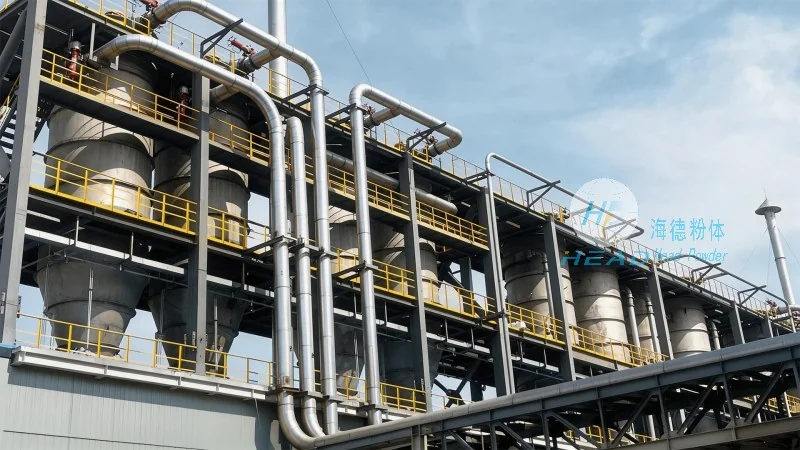
Operation Process: Step-by-Step Overview
1. Material Loading: Ceramic powder is loaded into the hopper, which is equipped with a level indicator to monitor the material volume. The hopper is connected to the feeder, which controls the flow rate of the powder into the conveying line.
2. Air Supply Initiation: The air compressor or blower starts operating, generating the required air pressure. The air is then introduced into the conveying line, creating a flow that propels the ceramic powder forward.
3. Conveying and Transport: As the air moves through the pipeline, it carries the ceramic powder particles. The system's design ensures that the air velocity is sufficient to keep the powder suspended and prevent clogging. The pipeline may include bends, expansions, or reductions, which are carefully engineered to maintain the flow without causing excessive pressure drops.
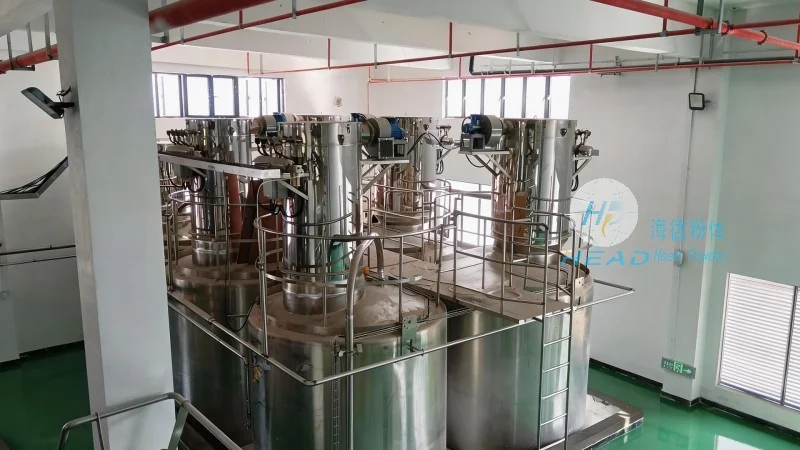
4. Material Separation: At the receiving end of the system, a separator (such as a cyclone or filter) is used to separate the ceramic powder from the air stream. The powder is collected in a storage bin or processing unit, while the air is filtered and returned to the system or released to the environment.
5. Dust Collection and Air Filtration: To ensure environmental compliance and worker safety, the system includes a dust collection system. The air is passed through a filter, capturing any fine particles before being discharged or recirculated. This step is critical for maintaining clean air quality and preventing dust accumulation in the workplace.
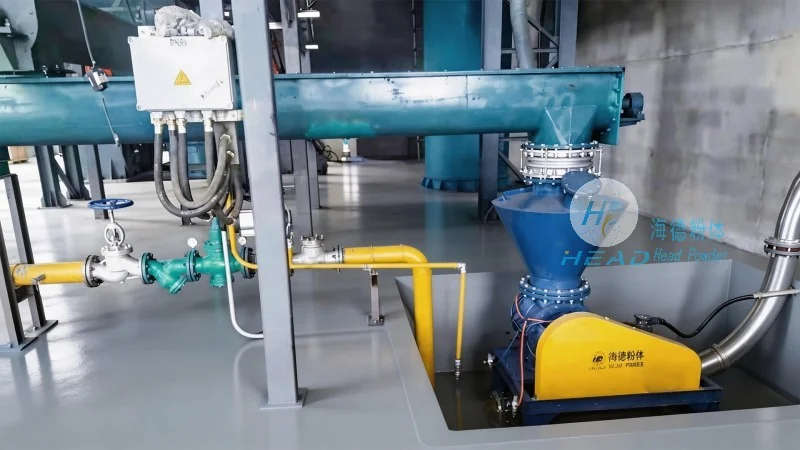
Key Advantages of Pneumatic Conveying for Ceramic Powders
Using a pneumatic conveying system for ceramic powders offers several benefits that enhance operational performance. First, it provides a dust-free environment, which is essential for maintaining product quality and worker health. Second, the system allows for flexible layout design, as the pipeline can be installed in various configurations to fit the production facility's space constraints. Third, it reduces material handling time and labor costs compared to traditional methods like manual loading or mechanical conveyors. Additionally, the system minimizes material degradation and contamination, which is vital for ceramic products that require high purity and consistency.
Application Scenarios and Customization
The ceramic powder pneumatic conveying system is widely used in various applications within the ceramic industry. For example, it can be employed in the production of ceramic tiles, sanitary ware, and refractory materials. The system can also be customized to handle different powder types, such as alumina, silica, or zirconia, each with unique particle sizes and flow properties. HeadPowder offers tailored solutions that consider factors like material density, moisture content, and desired conveying distance, ensuring optimal performance for each specific application.
Conclusion and Future Outlook
In conclusion, the operation process and working principle of a ceramic powder material pneumatic conveying system are designed to provide efficient, reliable, and safe material handling solutions for the ceramic industry. By leveraging advanced engineering and technology, companies like Shandong HeadPowder Engineering Co., Ltd. continue to innovate and improve these systems, meeting the evolving needs of modern manufacturing. The adoption of such systems not only enhances productivity but also contributes to a cleaner and more sustainable production environment.




