Air-driven sand material conveying equipment is a critical component in modern material handling systems, particularly in industries that deal with bulk materials such as sand, gravel, and other granular substances. This equipment enables the efficient and reliable transport of these materials over long distances or between different processing stages without the need for mechanical components like belts or buckets. The technology behind this equipment is based on the principle of pneumatic conveying, where air is used as the medium to move the material through a pipeline network. Understanding the operation process and working principle of such equipment is essential for optimizing material flow, reducing operational costs, and ensuring safety in industrial applications.
Key Components of the Conveying System
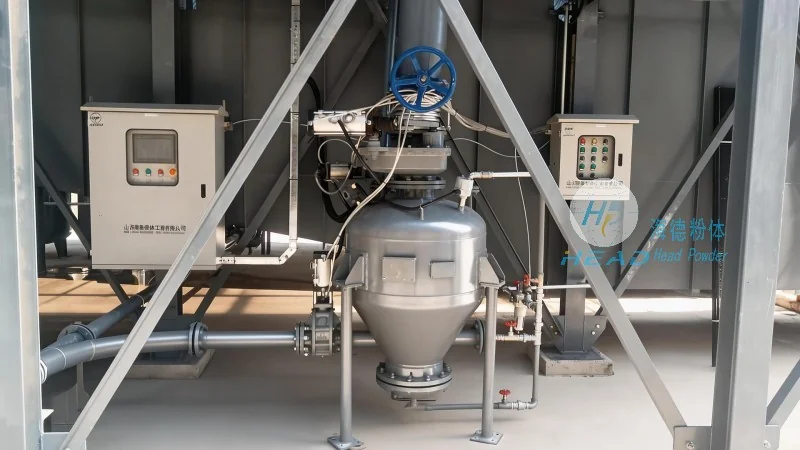
The air-driven sand material conveying system typically consists of several key components that work in tandem to achieve the desired material transport. These components include a material hopper, a rotary valve or feeder, a blower or air compressor, a pipeline network, and a receiver or discharge unit. The material hopper serves as the storage and feeding point for the sand, ensuring a consistent supply of material to the system. The rotary valve or feeder regulates the flow of sand from the hopper into the pipeline, preventing blockages and maintaining a steady flow rate. The blower or air compressor generates the necessary air pressure to move the material through the pipeline, with the pressure level adjusted based on the material characteristics and distance to be covered. The pipeline network, usually made of stainless steel or other corrosion-resistant materials, transports the sand and air mixture from the feeder to the discharge point. The receiver or discharge unit collects the material at the end of the pipeline, allowing it to be discharged into a storage bin or processing equipment.
Operation Process of the Air-Driven Conveying Equipment
The operation process of the air-driven sand material conveying equipment involves several sequential steps that ensure the smooth and efficient transport of the material. Initially, the sand is loaded into the material hopper from a bulk storage or processing area. The rotary valve or feeder then opens to allow a controlled amount of sand to enter the pipeline. Simultaneously, the blower starts operating, generating the required air pressure. The air and sand mixture is then introduced into the pipeline, where the air flow propels the sand particles forward. As the mixture travels through the pipeline, it may encounter bends, expansions, or other components that help maintain the flow and prevent material deposition. The receiver or discharge unit at the end of the pipeline collects the sand as the air continues to flow, which can then be used for further processing or storage. The entire process is typically automated, with sensors and control systems monitoring the flow rate, pressure, and material level to ensure optimal performance and prevent system failures.
Working Principle of Pneumatic Conveying
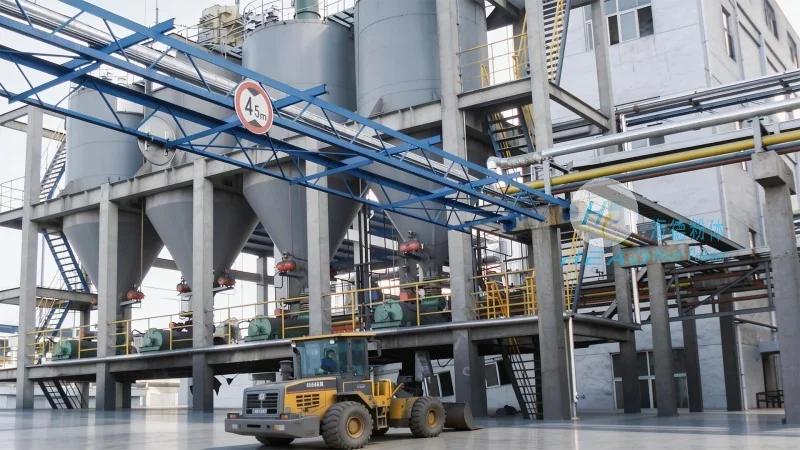
The working principle of air-driven sand material conveying equipment is based on the fundamental concept of pneumatic conveying, which utilizes air as the conveying medium to transport solid particles. There are two main types of pneumatic conveying systems: dilute-phase and dense-phase. Dilute-phase systems operate at relatively low air velocities and are suitable for short-distance or low-volume transport, while dense-phase systems use higher air velocities and lower air-to-material ratios to achieve higher material transport efficiency over longer distances. In the case of sand material, a dilute-phase system is often used due to the relatively low density and flow characteristics of the material. The air flow in the pipeline creates a low-pressure zone behind the material particles, which draws the sand forward and maintains the flow. The blower or air compressor provides the necessary pressure to overcome the resistance in the pipeline and ensure the material reaches the discharge point. The efficiency of the system depends on factors such as the air velocity, pipeline diameter, material size, and the presence of bends or other obstructions in the pipeline.
Advantages of Air-Driven Sand Material Conveying Equipment
There are several advantages to using air-driven sand material conveying equipment in industrial applications. One of the primary benefits is the ability to transport materials over long distances without the need for mechanical components, which reduces maintenance costs and eliminates the risk of mechanical failure. The system is also highly flexible, as the pipeline network can be easily reconfigured or extended to accommodate changes in production requirements or facility layout. Additionally, the equipment is suitable for handling materials that are difficult to transport using traditional methods, such as dusty or abrasive materials, as the air flow helps to prevent material buildup and reduces the risk of clogging. The system is also relatively compact and can be installed in confined spaces, making it ideal for applications where space is limited. Furthermore, the use of air as the conveying medium allows for the integration of other processes, such as dust collection or material drying, into the conveying system, enhancing overall operational efficiency.
Applications and Industries
Air-driven sand material conveying equipment is widely used in various industries that require the transport of bulk materials. Some of the key applications include construction and building materials, where sand is transported from storage facilities to construction sites or processing plants. The equipment is also used in the mining industry to transport ore and other minerals from mining sites to processing facilities. In the chemical industry, it is used to transport sand and other granular materials used in the production of chemicals or as raw materials for other processes. The equipment is also used in the food and beverage industry to transport sand or other materials used in the production of food products or as part of the processing equipment. Additionally, the equipment is used in the agricultural industry to transport sand used in soil conditioning or as a component in the production of fertilizers.
Maintenance and Operational Considerations
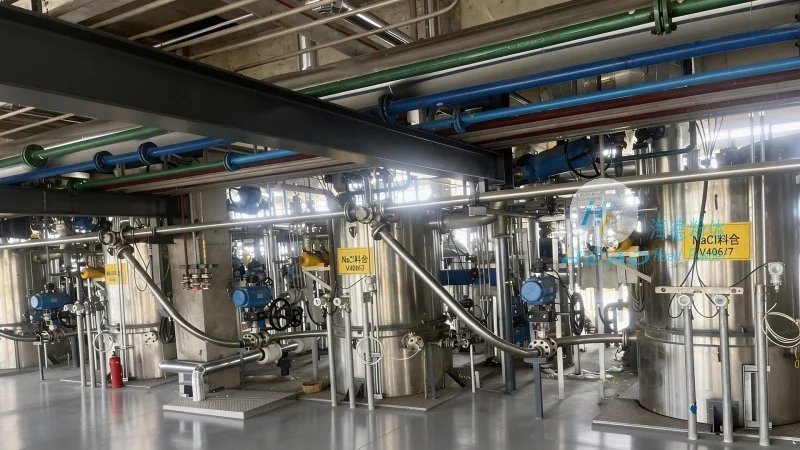
Proper maintenance and operational considerations are essential to ensure the efficient and reliable operation of air-driven sand material conveying equipment. Regular maintenance of the blower or air compressor is necessary to ensure that the system operates at the required pressure and flow rate. The pipeline network should be inspected regularly for signs of wear, corrosion, or blockages, and any issues should be addressed promptly to prevent system failures. The rotary valve or feeder should be checked for proper operation and adjusted as needed to maintain a consistent flow rate. The material hopper and receiver should be kept clean to prevent material buildup and ensure proper material flow. Additionally, the system should be monitored for pressure and flow rate variations, and any deviations should be investigated to identify and resolve the underlying causes. Proper training of operators and maintenance personnel is also crucial to ensure that the equipment is operated and maintained correctly, reducing the risk of accidents and improving overall system performance.
Conclusion
Air-driven sand material conveying equipment is a highly efficient and reliable solution for transporting bulk materials in various industrial applications. The technology behind this equipment, based on pneumatic conveying principles, allows for the smooth and continuous transport of sand and other granular materials over long distances or between different processing stages. The equipment is designed with several key components that work together to ensure optimal performance, and proper operation and maintenance are essential to maximize its efficiency and lifespan. As industries continue to seek more efficient and cost-effective material handling solutions, air-driven sand material conveying equipment remains a popular choice due to its flexibility, reliability, and ability to handle a wide range of materials. The use of such equipment not only improves operational efficiency but also reduces maintenance costs and enhances overall safety in industrial settings.




