Barley, a vital raw material in the food and beverage industry, demands efficient and reliable handling solutions to ensure seamless production workflows. Pneumatic conveying equipment offers an advanced method for transporting barley and other similar bulk materials. This equipment is engineered to accommodate the unique characteristics of barley—including its size, density, and moisture content—while preserving product integrity and operational efficiency. The following sections will detail the operation process and working principle of such equipment, providing insights into how it functions and the benefits it offers.
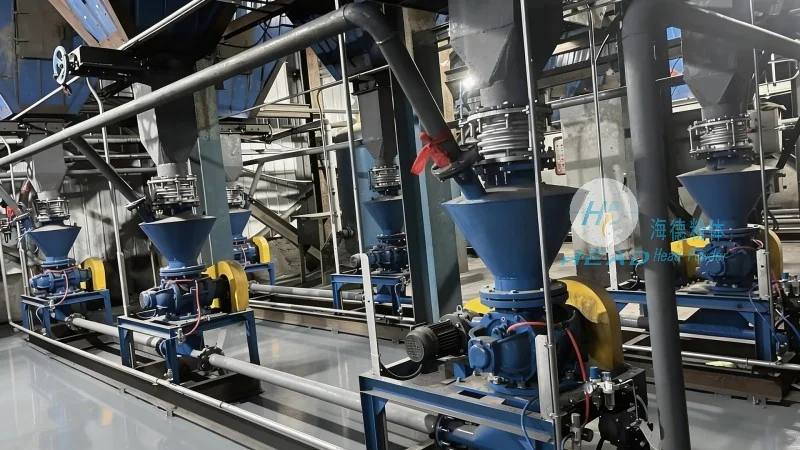
Key Components of Pneumatic Conveying Systems
At the core of any pneumatic conveying system are several essential components that collaborate to facilitate material transport. These components include the hopper (serving as the storage and feeding unit for barley), the air compressor or blower (generating the necessary air pressure to move the material), the conveying line (typically flexible or rigid tubing that transports the material-air mixture), and the discharge device (delivering the barley to the final destination). Each component plays a critical role in the overall performance and efficiency of the system. The hopper is designed to hold a sufficient quantity of barley, ensuring a consistent feed rate. The air compressor provides the required air pressure, which varies based on the system's capacity and the material's properties. The conveying line is selected based on factors like material flow rate, distance, and pressure requirements—options include flexible hoses for short distances or rigid pipes for longer runs. The discharge device, such as a rotary valve or venturi, controls the release of the barley, preventing blockages and ensuring a controlled output.
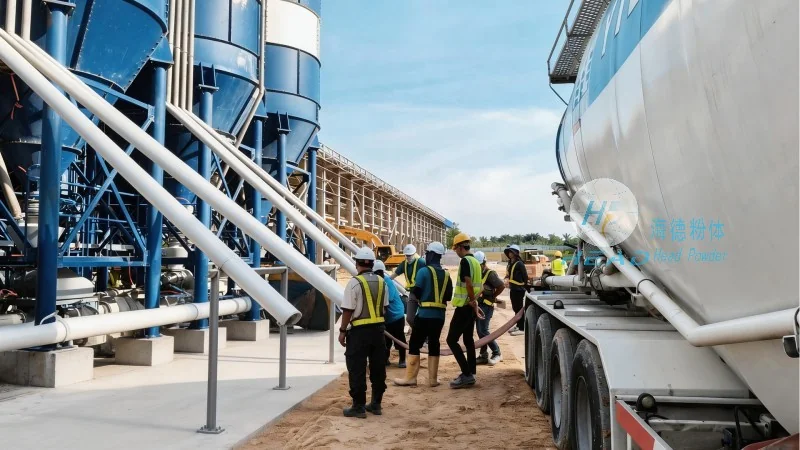
Working Principle of Pneumatic Conveying
The working principle of pneumatic conveying for barley involves using air to create a flow that transports the material through the system. There are two main types of pneumatic conveying systems: dilute-phase and dense-phase. Dilute-phase systems operate at higher air velocities, typically moving the material in a suspended state, while dense-phase systems use lower air velocities to transport the material in a more compacted form. For barley, a dilute-phase system is often preferred due to its ability to handle larger particles and maintain a consistent flow. The process begins with the barley being fed into the hopper. As the air compressor starts, it generates a flow of air that enters the conveying line. The barley is then drawn into the line by the air flow, creating a mixture of air and material. This mixture travels through the conveying line to the discharge point. The air and material are separated at the discharge device, where the barley is collected and the air is either vented or recirculated. The separation process is crucial for maintaining the purity of the barley and preventing contamination. The air velocity and pressure are carefully controlled to ensure that the barley is transported efficiently without causing damage or degradation.
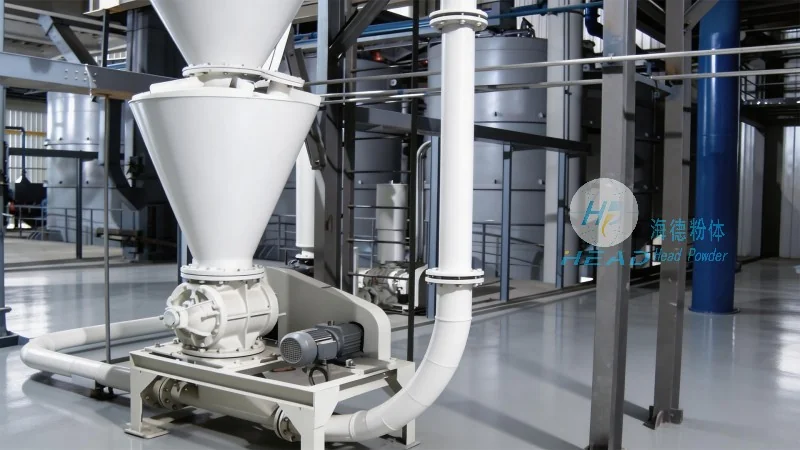
Operation Process of Barley Pneumatic Conveying Equipment
The operation process of barley pneumatic conveying equipment involves several steps to ensure smooth and continuous material handling. The first step is the preparation phase, where the barley is loaded into the hopper. This is typically done manually or via an automated feeding system, depending on the scale of the operation. The hopper is designed to hold a sufficient quantity of barley to avoid frequent refills, which can disrupt the production process. Once the hopper is filled, the air compressor is started, and the system begins to operate. The air compressor generates the necessary air pressure, which is regulated to maintain a consistent flow rate. The barley is then drawn into the conveying line as the air flows through. The system monitors the flow rate and pressure to ensure stability. If any issues arise—such as a blockage or a drop in pressure—the system may automatically shut down or alert the operator. The discharge device then delivers the barley to the next stage of the production process, such as a milling or processing unit. The entire process is designed to be efficient and reliable, minimizing downtime and maximizing productivity. Regular maintenance of the equipment is essential to ensure its longevity and performance. This includes checking the air compressor, cleaning the conveying line, and inspecting the hopper and discharge device for any signs of wear or damage.
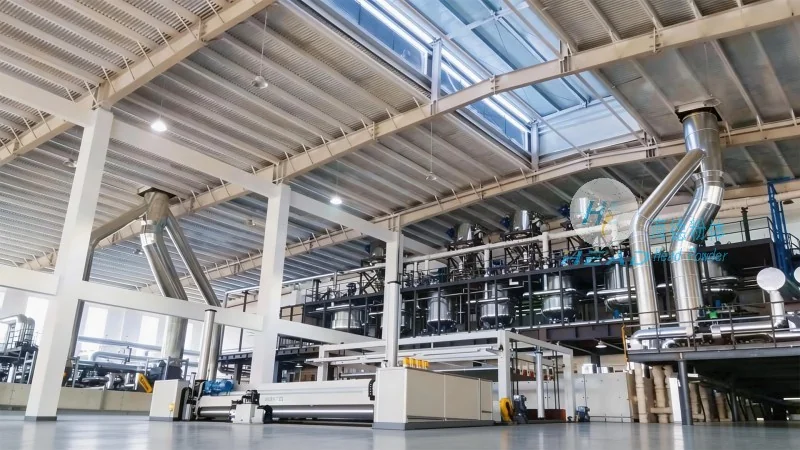
Benefits of Using Pneumatic Conveying for Barley Handling
Implementing pneumatic conveying equipment for barley handling offers several benefits that enhance operational efficiency and product quality. One primary advantage is the ability to transport barley in a closed system, which helps maintain product integrity and prevents contamination from external factors. The closed system also reduces dust emissions, improving workplace safety and environmental compliance. Another benefit is the flexibility of the system, which can be adjusted to handle different quantities of barley and varying production demands. The equipment is also relatively compact, allowing for installation in limited spaces—particularly useful in existing facilities. Additionally, pneumatic conveying systems are energy-efficient compared to traditional methods like bucket elevators or belt conveyors, as they use air pressure rather than mechanical components to move the material. This results in lower energy costs and reduced maintenance requirements. The consistent flow rate and reduced downtime also contribute to improved overall productivity, making the system a cost-effective solution for barley handling.




