Understanding the operation process and working principle of potasium sulfate material pneumatic conveying equipment is crucial for industries dealing with bulk material handling. This equipment, designed by Shandong HeadPowder Engineering Co., Ltd., based in China, offers an efficient and reliable solution for transporting potassium sulfate, a vital chemical used in agriculture and industrial applications.
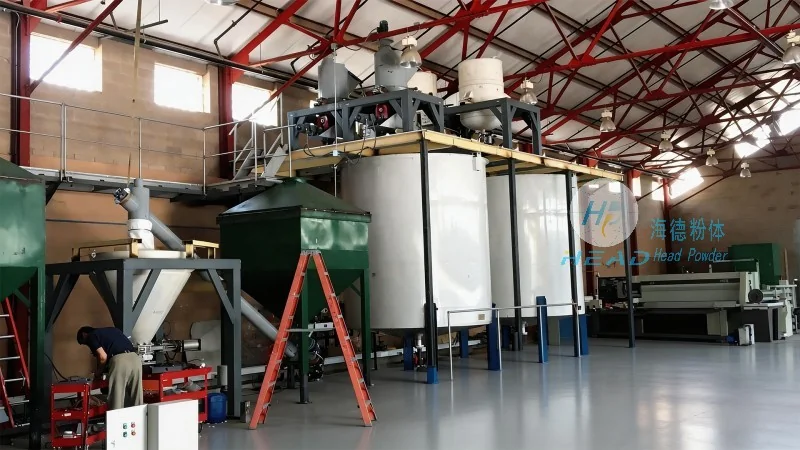
Company Profile: Shandong HeadPowder Engineering Co., Ltd.
Shandong HeadPowder Engineering Co., Ltd. is a leading manufacturer specializing in the design, development, and production of advanced material handling equipment. With a focus on innovation and quality, the company has established itself as a trusted partner in the chemical and agricultural sectors. HeadPowder's facilities are located in Shandong, China, where state-of-the-art technology and skilled professionals ensure the delivery of high-performance pneumatic conveying systems tailored to client needs.
The Working Principle of Pneumatic Conveying Systems
Pneumatic conveying equipment operates on the principle of using air or gas to transport bulk materials through a pipeline system. For potasium sulfate, the process typically involves a combination of positive and negative pressure systems. In a positive pressure system, air is forced through the material, creating a flow that carries the particles. Conversely, negative pressure systems draw air and material through the pipeline using a vacuum. The choice between these systems depends on factors such as material characteristics, distance, and system layout. The core components include a hopper for material storage, a feeder to control the flow rate, a conveying line, and a receiver to collect the material at the destination.
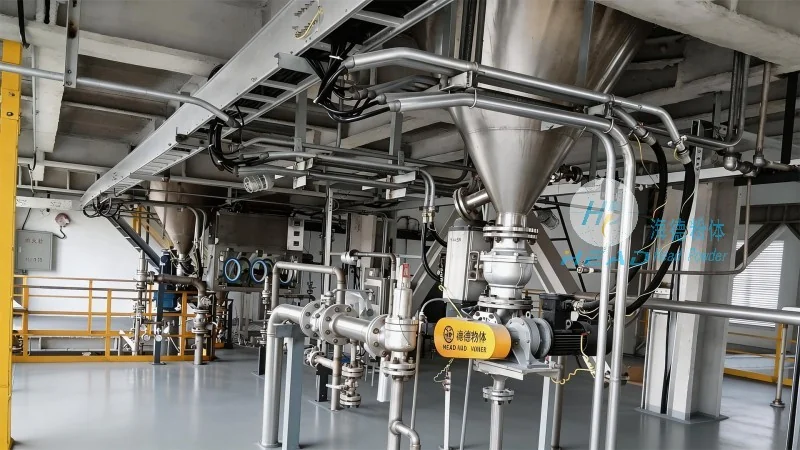
Key Components and Their Functions in Pneumatic Conveying Equipment
The effectiveness of potasium sulfate pneumatic conveying equipment relies on several critical components. The hopper serves as the storage vessel, ensuring a consistent supply of material. The feeder, often a rotary valve or screw feeder, regulates the material discharge rate, preventing blockages and maintaining system efficiency. The conveying line, made of durable materials like stainless steel or plastic, transports the material and air mixture. The receiver, equipped with a filter system, collects the material and separates it from the air, ensuring clean and efficient material handling. Additionally, control systems, including pressure sensors and valves, monitor and adjust the system parameters to maintain optimal performance.
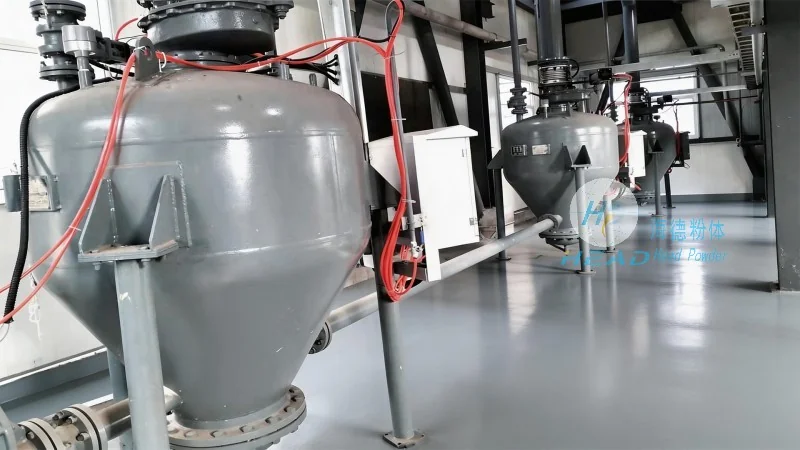
Operation Process of Potassium Sulfate Material Handling
The operation of potasium sulfate pneumatic conveying equipment follows a systematic process. First, the hopper is filled with the required amount of potassium sulfate. The feeder then starts, controlling the material flow into the conveying line. Simultaneously, the air compressor or vacuum pump generates the necessary air pressure or vacuum. The material is then transported through the pipeline, where it mixes with the air, forming a slurry-like flow. At the receiving end, the receiver captures the material, and the air is filtered and recycled. This process ensures continuous and uninterrupted material transport, minimizing downtime and maximizing productivity. The system can be adjusted to handle varying material quantities and flow rates, making it adaptable to different production needs.
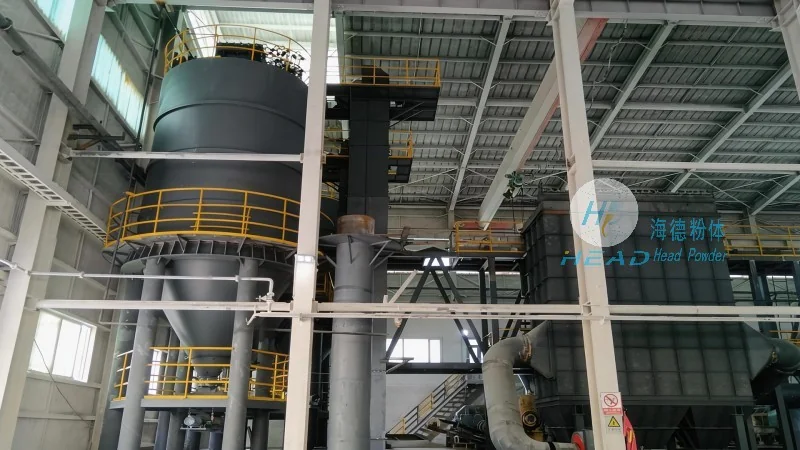
Advantages of Using Pneumatic Conveying for Potassium Sulfate
Employing pneumatic conveying equipment for potasium sulfate offers numerous advantages over traditional methods like belt conveyors or bucket elevators. One of the primary benefits is the ability to transport materials in a closed system, reducing dust emissions and environmental impact. This is particularly important for potassium sulfate, which can be a source of airborne particles. Additionally, pneumatic conveying systems are more flexible in terms of layout, allowing for complex and space-efficient designs. They also offer higher material handling speeds and lower maintenance costs compared to mechanical systems. The closed environment also helps maintain material purity, which is critical for applications in agriculture where the quality of potassium sulfate directly impacts crop yields.
Application Scenarios and Industry Impact
Potasium sulfate material pneumatic conveying equipment is widely used in various industries, including chemical manufacturing, fertilizer production, and food processing. In the fertilizer industry, it is essential for transporting potassium sulfate from storage facilities to production lines or packaging areas. The equipment ensures that the material is handled efficiently and safely, reducing the risk of accidents and contamination. In chemical manufacturing, it facilitates the transfer of raw materials to reactors and the removal of finished products from processing units. The reliability and efficiency of HeadPowder's pneumatic conveying systems have contributed to improved operational performance and cost savings for many companies. By providing a consistent and reliable material handling solution, the equipment supports the overall productivity and sustainability of industrial operations.




