Shandong HeadPowder Engineering Co., Ltd., a leading enterprise based in Shandong, China, specializes in the design, manufacturing, and supply of advanced pneumatic conveying systems for various industrial applications. This article provides a detailed overview of the operation process and working principle of their gypsum powder material pneumatic conveying equipment, highlighting the key components, operational steps, and technical advantages that make these systems efficient and reliable for handling bulk materials like gypsum powder.
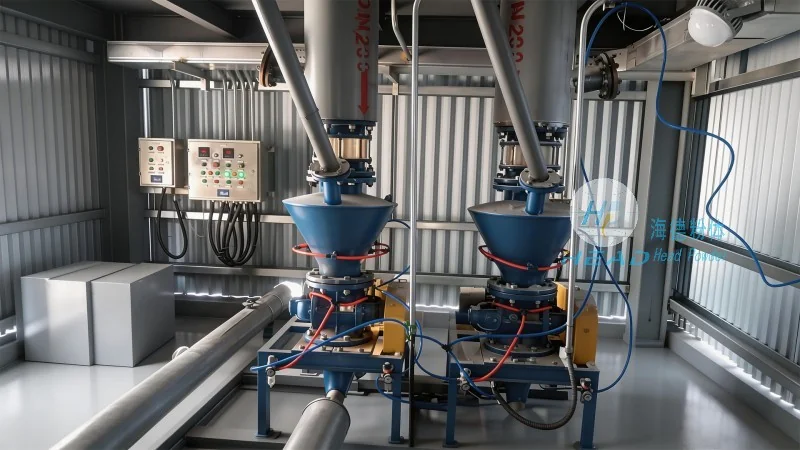
Key Components of the Pneumatic Conveying System
The gypsum powder pneumatic conveying system developed by HeadPowder typically consists of several critical components that work in concert to achieve effective material transport. The primary components include a feeding hopper or rotary valve for material intake, a pressure or vacuum pump to generate the necessary airflow, a pipeline network for material and air movement, a separation unit (such as a cyclone or bag filter) to separate the material from the air stream, and a discharge outlet for the conveyed material. Each component plays a vital role in ensuring smooth and efficient operation of the system.
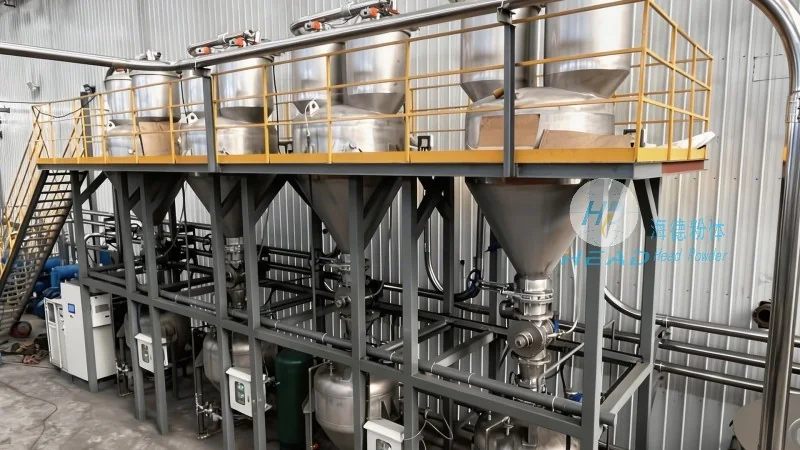
Working Principle of the Pneumatic Conveying Process
The fundamental principle behind pneumatic conveying is the use of air or gas to transport bulk materials through a pipeline. In the case of gypsum powder, the system operates by creating a pressure differential between the inlet and outlet of the pipeline. When the system is activated, the pump generates a flow of air that draws the gypsum powder from the feeding hopper into the pipeline. The powder is then suspended in the air stream and carried to the destination point. At the receiving end, the separation unit removes the powder from the air, allowing the air to be recirculated or vented, while the gypsum powder is collected for further processing or storage.
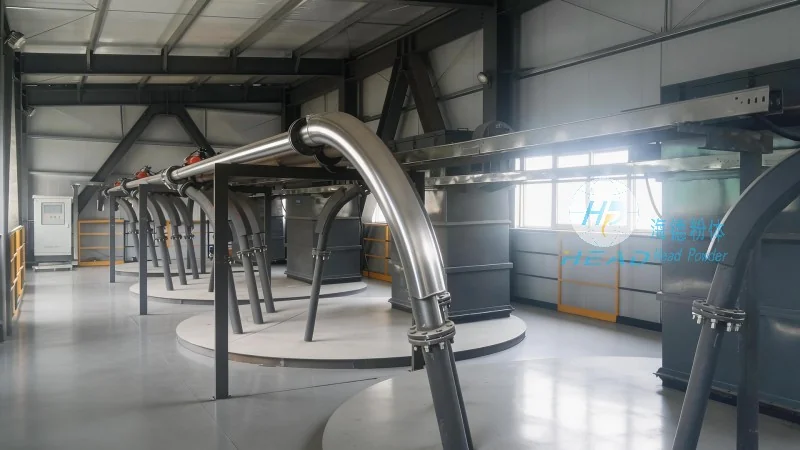
Operation Process Step-by-Step
The operation of the gypsum powder pneumatic conveying equipment follows a systematic sequence to ensure safe and efficient material transport. The process begins with the preparation phase, where the feeding hopper is filled with gypsum powder and the system is checked for any obstructions or leaks. Once the system is ready, the pump is started, and the airflow is adjusted to the appropriate pressure or vacuum level based on the distance and volume of material to be conveyed. The material is then fed into the system, and the conveying process commences. During operation, the system continuously monitors the flow rate and pressure to maintain optimal performance. When the material has been fully transported to the destination, the pump is shut down, and the system is depressurized before any maintenance or cleaning procedures are performed.
Technical Advantages and Applications
HeadPowder's gypsum powder pneumatic conveying equipment offers several technical advantages that make it suitable for various industrial applications. The system is designed to handle fine to medium-sized gypsum powder particles with minimal degradation, ensuring high product quality. It also provides a dust-free and hygienic conveying solution, which is particularly important in food processing, pharmaceutical, and chemical industries. Additionally, the equipment is capable of transporting materials over long distances (up to several kilometers) with low energy consumption and minimal maintenance requirements. These features make it an ideal choice for applications such as gypsum powder handling in construction material production, fertilizer manufacturing, and other bulk material processing industries.
Conclusion
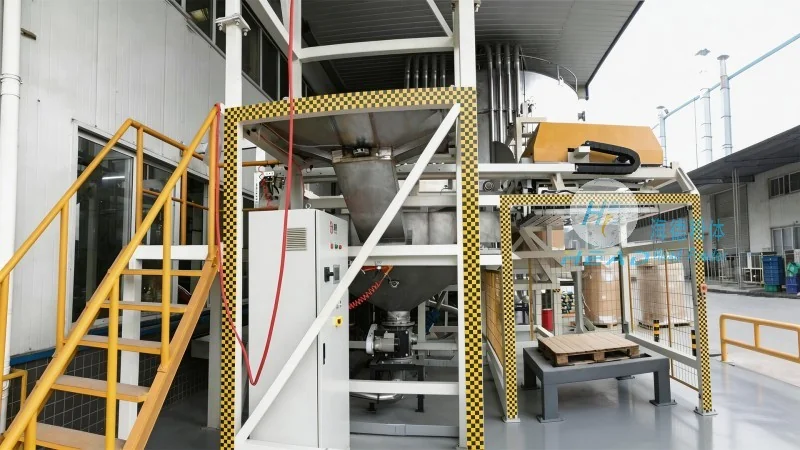
In conclusion, the gypsum powder material pneumatic conveying equipment from Shandong HeadPowder Engineering Co., Ltd. is a highly efficient and reliable solution for bulk material handling. By understanding the operation process and working principle of this equipment, users can appreciate how it effectively addresses the challenges of transporting gypsum powder and similar materials. With its advanced design and robust construction, this system ensures consistent performance and contributes to improved productivity in various industrial settings.




