Operation Process and Working Principle of PES Fiber Material Pneumatic Conveying Equipment
Release time:2026-09-21 13:01:46
name of the company:Shandong Headpowder Engineering Co., Ltd.
telephone:156-6277-7102
contacts:Zhang manager
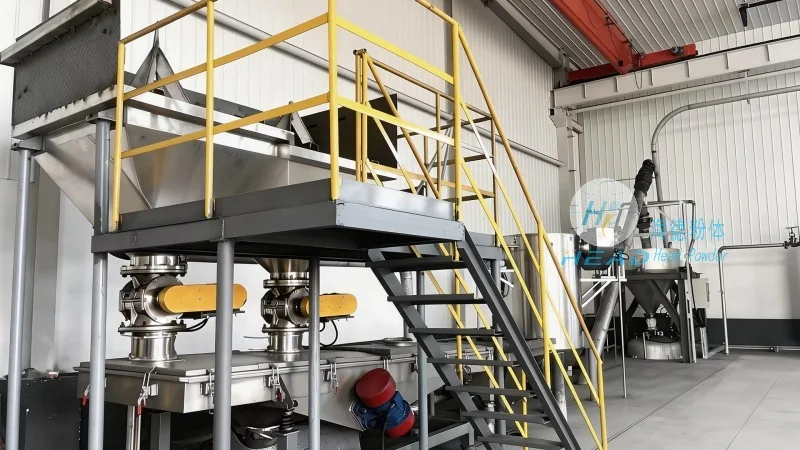
HeadPowder, a leading engineering company based in Shandong, China, specializes in the design and manufacturing of advanced pneumatic conveying systems tailored for polyester (PES) fiber materials. This article provides a detailed overview of the operation process and working principles of such equipment, highlighting the technical aspects and practical applications that ensure efficient material handling in industrial settings.
Understanding Pneumatic Conveying for PES Fibers
Pneumatic conveying systems are widely used in the textile and polymer industries to transport PES fibers from storage silos, processing units, or production lines to various destinations such as packaging areas or downstream equipment. The core of these systems lies in the use of compressed air to move the material through a network of pipes, ensuring a dust-free and efficient transfer process. For PES fibers, which are lightweight and often prone to static, specialized equipment is essential to maintain material integrity and prevent clogging or degradation.
Key Components of PES Fiber Pneumatic Conveying Equipment
The operation of a PES fiber pneumatic conveying system involves several critical components that work in concert to achieve reliable material transport. These include:
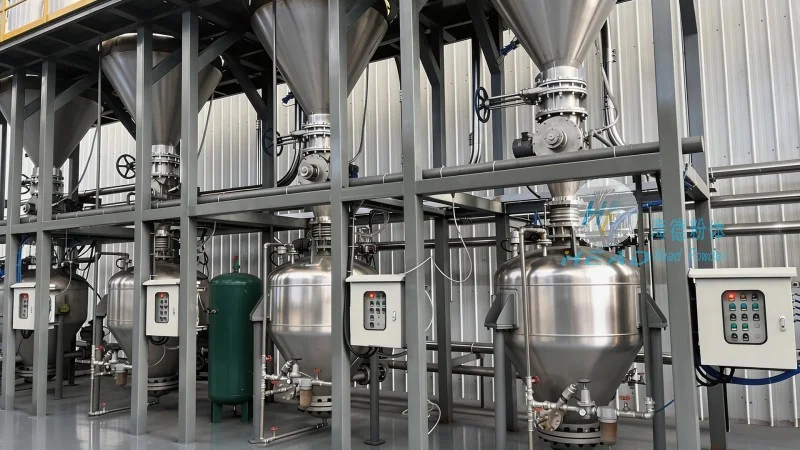
- Feed Hopper: A hopper designed to store and feed the PES fibers into the system. It often features a rotary valve or screw feeder to control the flow rate, ensuring a consistent supply of material.
- Compressor: A high-pressure air compressor that generates the necessary airflow to move the fibers through the pipeline. The choice of compressor type (e.g., rotary screw or centrifugal) depends on the system's capacity and pressure requirements.
- Pipeline Network: A network of pipes that transport the fibers, typically made of materials resistant to abrasion and corrosion, such as stainless steel or polyethylene. The design of the pipeline, including bends and elbows, is optimized to minimize pressure loss and prevent material accumulation.
- Receiver or Discharge Hopper: The final destination where the PES fibers are collected. This component may include a rotary valve or a discharge system to control the release of material into the next process stage.
- Control System: An automated control panel that monitors and regulates the system's operation, including air pressure, flow rate, and material level. This ensures consistent performance and allows for remote monitoring and adjustments.
The Working Principle: How PES Fiber Pneumatic Conveying Works
The working principle of a PES fiber pneumatic conveying system is based on the principle of fluidization and drag flow. When compressed air is introduced into the pipeline, it creates a low-pressure zone that draws the PES fibers into the air stream. The fibers are then carried through the pipeline by the airflow, which maintains their suspension and prevents them from settling or clogging. The system operates in either a positive pressure or negative pressure mode, depending on the application and material characteristics.
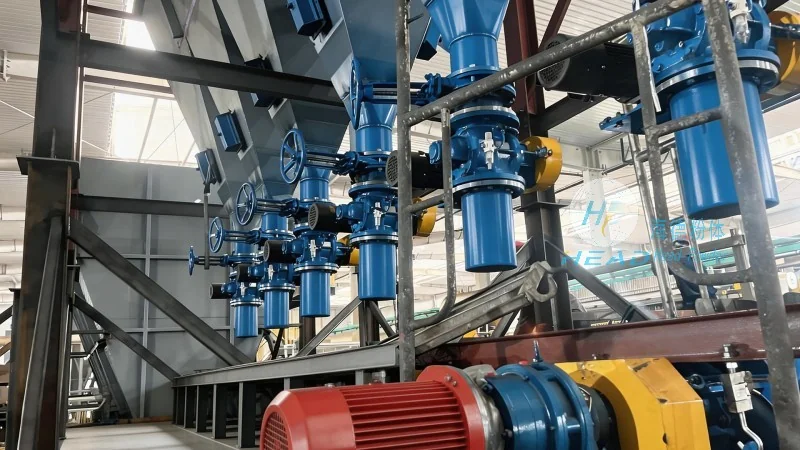
In positive pressure systems, the compressor supplies air under pressure, pushing the fibers through the pipeline. This method is suitable for long-distance or high-capacity applications. In negative pressure systems, the compressor creates a vacuum at the discharge end, pulling the fibers from the feed hopper. This approach is often used for shorter distances or when the material needs to be transported from a higher elevation.
Operation Process: Step-by-Step Guide
The operation process of a PES fiber pneumatic conveying system involves several sequential steps to ensure smooth and efficient material transfer. Here is a typical workflow:




