Biomass pellet material pneumatic conveying equipment is a critical component in modern material handling systems, especially in industries processing biomass resources like wood pellets, agricultural waste pellets, and other organic materials. This equipment enables efficient and reliable transport of biomass pellets from one location to another using air as the conveying medium. Understanding the operation process and working principle of such equipment is essential for optimizing performance in various industrial applications.
Key Components of the Pneumatic Conveying System
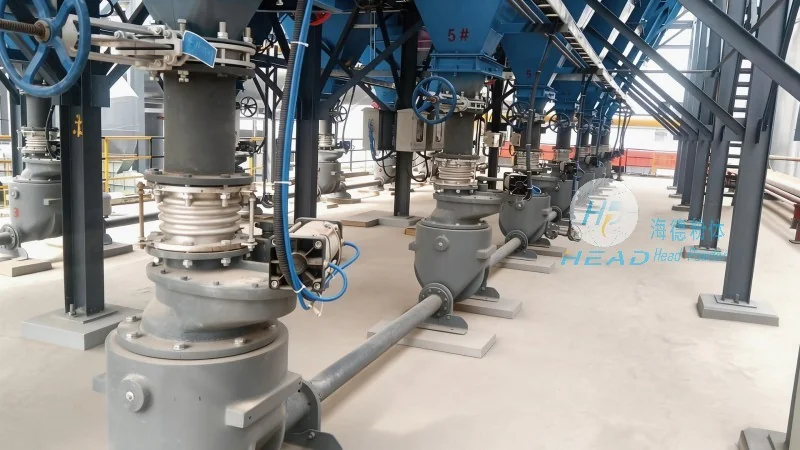
The biomass pellet material pneumatic conveying system comprises several essential components that function together to achieve material transport. These components include the feed hopper (or storage hopper) for holding and feeding biomass pellets; the air compressor or blower that generates the necessary air pressure; the conveying pipeline through which pellets and air travel; control valves and pressure regulators to manage air flow and pressure; and the discharge hopper or collection bin where pellets are deposited at the destination. Each component plays a vital role in ensuring smooth system operation.
Working Principle of Pneumatic Conveying
The working principle of biomass pellet material pneumatic conveying is based on fluidization and suspension. When the air compressor provides sufficient air pressure, it creates an air flow through the conveying line. Biomass pellets are then introduced into the air stream, and the air's kinetic energy and pressure cause the pellets to become suspended in the air, forming a dense or dilute phase flow depending on system design. In dense phase conveying, pellets travel in a compact, high-density stream, suitable for long-distance and high-capacity transport. In dilute phase mode, pellets are transported in a more dispersed state, ideal for shorter distances and lower capacity needs. The choice between these modes depends on application and pellet characteristics.
Operation Process of the Biomass Pellet Pneumatic Conveying Equipment
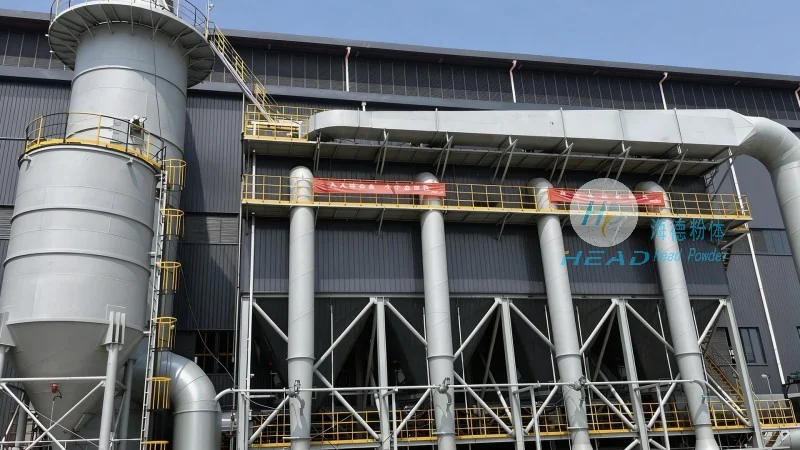
The operation process starts with loading biomass pellets into the feed hopper, which is designed to hold sufficient quantity for continuous operation. Once loaded, the control system activates the air compressor, initiating air pressure generation. Pellets are released from the hopper into the conveying line, carried by the air stream to the discharge hopper at the destination. Control valves and regulators continuously monitor and adjust air flow and pressure to maintain optimal conditions. The entire process is automated, with the system operating based on pre-set parameters and sensor feedback for flow rate and pressure. This automation ensures consistent performance, minimizing downtime and maximizing efficiency.
Advantages of Using Biomass Pellet Pneumatic Conveying Equipment
Biomass pellet material pneumatic conveying equipment offers advantages over traditional methods like belt or screw conveyors. A primary benefit is dust-free transport, crucial for product quality and health safety. The system allows long-distance transport without multiple transfer points, reducing costs and inefficiency. It is compact, fitting into confined spaces, making it suitable for various industrial settings. Automated operation cuts labor needs, lowering costs and enhancing safety. The equipment handles diverse pellet sizes and densities, providing versatility for different applications.
Applications of Biomass Pellet Pneumatic Conveying Equipment
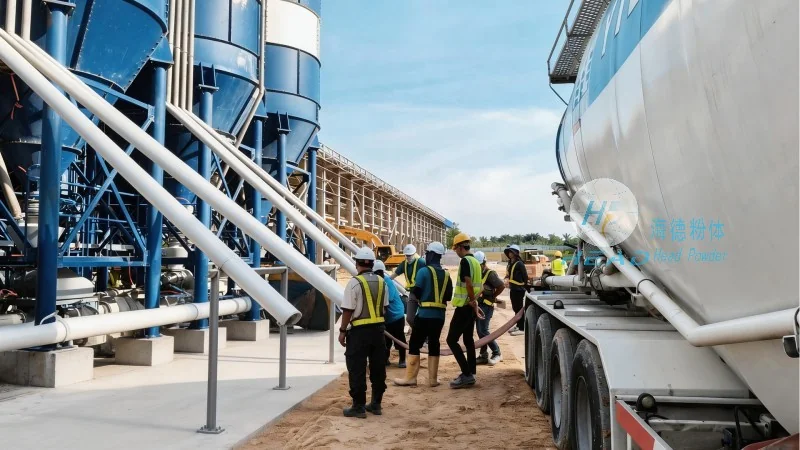
Biomass pellet material pneumatic conveying equipment is widely used across industries processing biomass resources. In the wood pellet industry, it transports pellets from production lines to storage silos or packaging areas. In agricultural waste processing, it moves waste pellets to storage or shipping facilities. The equipment is also used in biofuel industries to deliver biomass pellets to power plants or fuel facilities. Additionally, it serves animal feed industries, transporting pellets to feed mills or farms. Its versatility suits small-scale to large industrial operations.
Maintenance and Troubleshooting of the Equipment
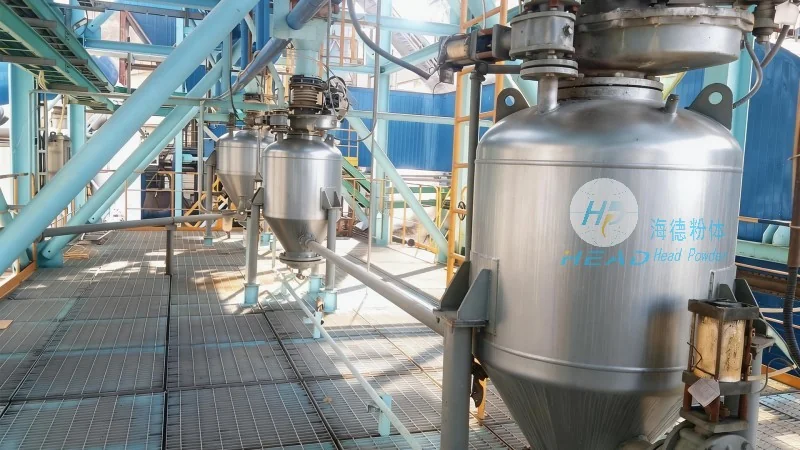
Maintenance is vital for long-term performance and reliability. Regular tasks include checking/replacing air filter elements, inspecting/cleaning conveying lines for blockages, lubricating moving parts, and checking air compressor and valve conditions. Proper maintenance prevents failures and reduces downtime. Troubleshooting addresses issues like air leaks, line blockages, or pressure fluctuations by checking the compressor, inspecting the line, and adjusting valves as needed. Effective maintenance and troubleshooting ensure efficient, reliable operation, extending equipment lifespan and performance.
Conclusion
Biomass pellet material pneumatic conveying equipment is a highly efficient and reliable solution for transporting biomass pellets across various industrial applications. Its operation and working principles rely on fluidization and suspension, using air as the conveying medium. The system includes key components working in tandem, with automated operation ensuring consistent performance. Advantages include dust-free transport, long-distance capability, compact design, and reduced labor costs. It is widely used in wood pellet, agricultural waste processing, biofuel, and animal feed industries. Proper maintenance and troubleshooting are essential for sustained performance and reliability. As biomass demand grows, this equipment remains critical in material handling systems for these industries.




