HeadPowder, a leading enterprise in the field of material handling solutions, specializes in the design, manufacturing, and installation of advanced pneumatic conveying systems. This article provides a comprehensive overview of the dry stone powder pneumatic conveying system, focusing on its structural components and operational principles. The company, based in Shandong, China, has established itself as a key player in providing efficient and reliable material transport solutions for various industrial applications.
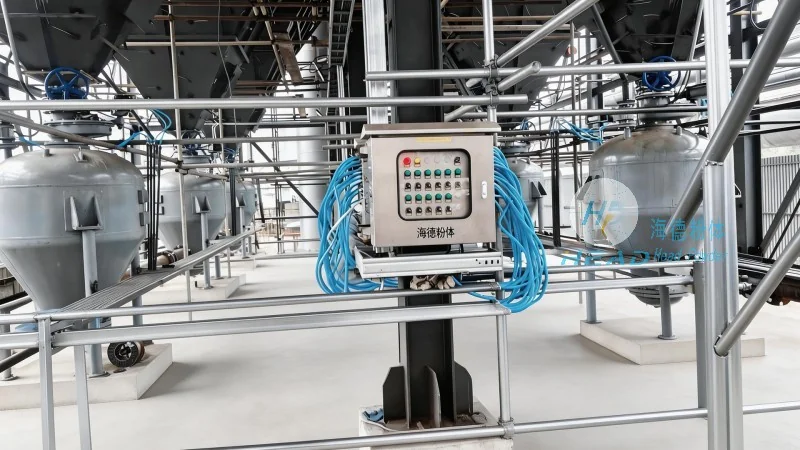
Overview of Dry Stone Powder Pneumatic Conveying Systems
Dry stone powder pneumatic conveying systems are engineered to transport dry powders, such as stone powders, through a pressurized or vacuum environment using air or other gases. These systems are widely used in industries like mining, construction, and chemical processing due to their ability to handle abrasive and fine materials with minimal product degradation. The core of such systems lies in their ability to maintain material integrity while ensuring efficient and safe transport over long distances or within complex plant layouts.
Key Structural Components of the System
The dry stone powder pneumatic conveying system comprises several critical components that work in tandem to achieve effective material transport. These include the material feed hopper, which stores and feeds the stone powder into the system; the air compressor or vacuum pump, which generates the necessary pressure or vacuum to move the material; the conveying line, typically made of stainless steel or other corrosion-resistant materials to handle abrasive powders; and the control valves and regulators that manage the flow and pressure of the air or gas. Additionally, the system may include a dust collector to capture any airborne particles and a discharge hopper to deliver the material to the final destination.
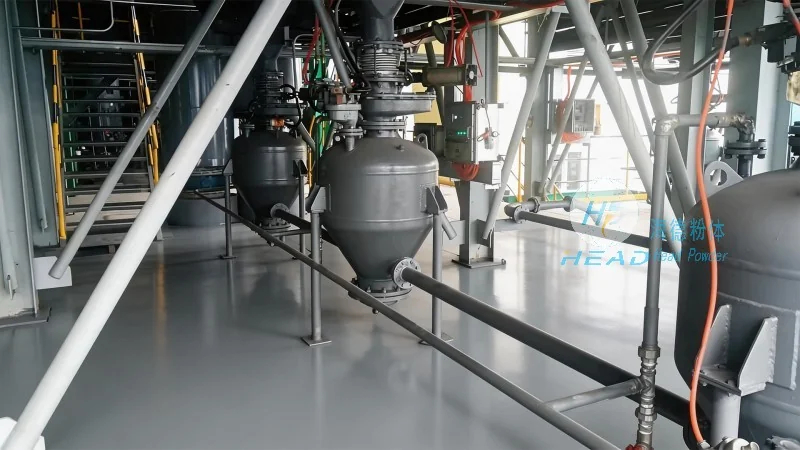
Working Principles of the Pneumatic Conveying Process
The operation of a dry stone powder pneumatic conveying system is based on the fundamental principle of fluidization and transport of particulate solids by a gas stream. In a typical pressurized system, the air compressor supplies compressed air to the conveying line, creating a pressure differential that propels the stone powder particles forward. The material is introduced into the system at a controlled rate, and the air flow ensures that the particles are suspended and carried through the pipeline. The system may use different conveying modes, such as dilute-phase or dense-phase, depending on the material characteristics and required transport efficiency. The dilute-phase system operates at higher air velocities, suitable for fine powders, while the dense-phase system uses lower velocities and higher material concentrations, ideal for handling bulkier or more abrasive materials.
Advantages of Dry Stone Powder Pneumatic Conveying Systems
Implementing a dry stone powder pneumatic conveying system offers numerous advantages over traditional mechanical conveying methods. Firstly, it eliminates the need for moving parts in the conveying line, reducing maintenance costs and minimizing the risk of mechanical failure. Secondly, the system is highly flexible, allowing for easy integration into existing plant layouts and modifications to accommodate changing production needs. Thirdly, it provides excellent material containment, preventing dust emissions and ensuring compliance with environmental regulations. Furthermore, the system can transport materials over long distances with minimal energy consumption compared to other methods, making it an economical choice for large-scale operations.
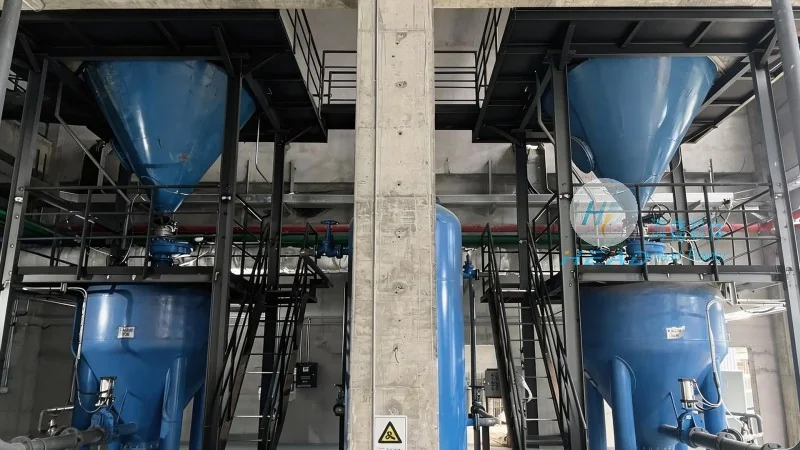
Application Scenarios and Industry Impact
Dry stone powder pneumatic conveying systems are widely applied in various industrial sectors. In the mining industry, they are used to transport crushed stone powders from processing plants to storage facilities or for further processing. In the construction industry, these systems facilitate the transport of cement, lime, and other building materials to construction sites, improving operational efficiency and reducing labor costs. The chemical industry also benefits from these systems when handling fine powders, such as pigments or catalysts, where maintaining product purity is crucial. By providing a reliable and efficient means of material transport, the dry stone powder pneumatic conveying system enhances overall productivity and operational safety in these industries.
Conclusion and Company Commitment
HeadPowder Engineering Co., Ltd., based in Shandong, China, continues to innovate and refine its dry stone powder pneumatic conveying systems to meet the evolving needs of modern industries. By focusing on robust design, efficient operation, and customer-centric solutions, the company ensures that its systems deliver optimal performance and long-term value. The comprehensive understanding of the system's structure and working principles, as outlined in this article, underscores the importance of choosing the right pneumatic conveying solution for specific material handling requirements. With a commitment to quality and reliability, HeadPowder remains a trusted partner for businesses seeking advanced material transport solutions.




