Aluminum dross, a byproduct generated during the aluminum smelting and processing operations, poses significant challenges in terms of handling and disposal. The aluminum dross pneumatic conveying system has emerged as an efficient solution to manage this material, offering a reliable method for transporting dross from production sites to processing or disposal facilities. This article provides an overview of the aluminum dross pneumatic conveying system, detailing its structural components and the underlying principles of its operation.
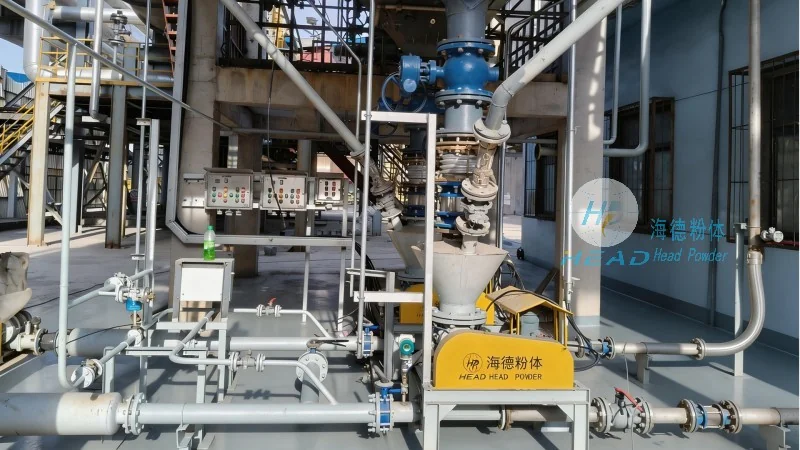
Company Profile: Shandong HeadPowder Engineering Co., Ltd.
Shandong HeadPowder Engineering Co., Ltd., commonly known as headpowder, is a professional engineering company based in Shandong, China. With a strong focus on material handling technologies, the company specializes in the design, manufacturing, and installation of pneumatic conveying systems tailored for various industrial applications. The company's headquarters is located in Shandong, China, where it leverages advanced engineering expertise to develop innovative solutions for clients in the aluminum and other heavy industries.
Overview of the Aluminum Dross Pneumatic Conveying System
The aluminum dross pneumatic conveying system is a closed-loop system that utilizes compressed air to transport aluminum dross particles through a network of pipes. This method is particularly advantageous for handling dross, which is often abrasive and can cause wear on traditional mechanical conveyors. The system is designed to minimize material loss, reduce environmental contamination, and ensure safe and efficient material transfer. By integrating advanced air control mechanisms and durable components, the system addresses the unique challenges associated with aluminum dross, such as its high density and potential for dust generation.
Structural Components of the Pneumatic Conveying System
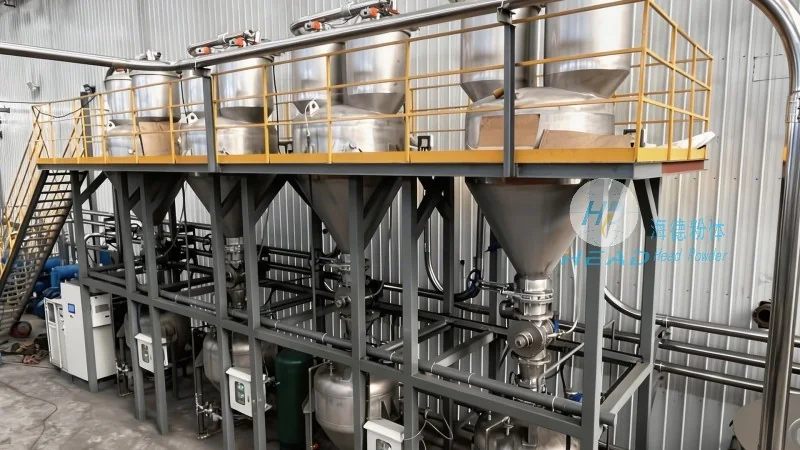
The aluminum dross pneumatic conveying system comprises several key components that work in tandem to achieve effective material transport. The primary components include:
- Feeding Unit: This component is responsible for introducing aluminum dross into the system. It typically consists of a hopper or a rotary valve that feeds the dross into the conveying line at a controlled rate. The feeding unit is designed to handle the bulk density and flow characteristics of aluminum dross, ensuring a consistent feed to the system.
- Compressor and Air Supply: A high-pressure air compressor provides the necessary airflow to move the dross particles through the system. The compressor is equipped with air filtration and regulation systems to maintain optimal pressure and air quality, preventing contamination and ensuring efficient operation.
- Piping Network: The conveying pipes are made from materials resistant to corrosion and abrasion, such as stainless steel or special alloys, to withstand the harsh conditions of aluminum dross. The pipe network is designed with appropriate bends and elbows to guide the material flow while minimizing pressure losses.
- Separation and Collection Unit: At the receiving end of the system, a separation unit is used to separate the dross particles from the air stream. This unit typically includes a cyclone separator or a bag filter, which captures the dross and returns it to a storage container. The separated air is then discharged or recirculated back into the system.
- Control System: An automated control system monitors and regulates the operation of the entire conveying process. It includes sensors for pressure, flow, and level, as well as control valves and actuators that adjust the system parameters in real-time. The control system ensures safe and efficient operation, preventing overloading or system failures.
Working Principle of the Pneumatic Conveying System
The operation of the aluminum dross pneumatic conveying system is based on the principle of air suspension, where the aluminum dross particles are suspended and transported by the airflow within the conveying pipes. The process begins when the feeding unit introduces the dross into the system. The compressor then generates high-pressure air, which is introduced into the conveying line at the feeding point. As the air flows through the pipe, it creates a low-pressure zone that draws the dross particles into the air stream. The dross particles are then carried along with the air, moving through the piping network to the receiving end.
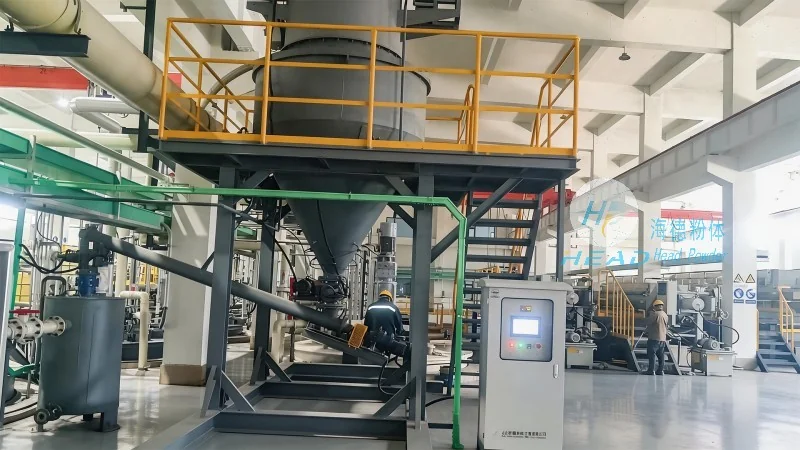
At the receiving end, the air and dross mixture enters the separation unit. The cyclone separator uses centrifugal force to separate the dross particles from the air. The dross particles are collected in a hopper or container, while the air is directed back to the compressor or released into the atmosphere after filtration. The control system continuously monitors the pressure and flow rates, adjusting the air supply to maintain optimal conveying conditions. This closed-loop operation ensures that the system operates efficiently and reliably, minimizing energy consumption and material loss.
Advantages of the Aluminum Dross Pneumatic Conveying System
The aluminum dross pneumatic conveying system offers several advantages over traditional mechanical conveying methods. First, it provides a dust-free and enclosed transport process, reducing environmental contamination and improving workplace safety. Second, the system is highly efficient in terms of material handling, with the ability to transport large volumes of dross over long distances with minimal energy consumption. Third, the system is low-maintenance, as it has fewer moving parts compared to mechanical conveyors, reducing downtime and maintenance costs. Additionally, the system is flexible and can be easily integrated with existing production lines, allowing for seamless material transfer without disrupting operations.
Application and Implementation
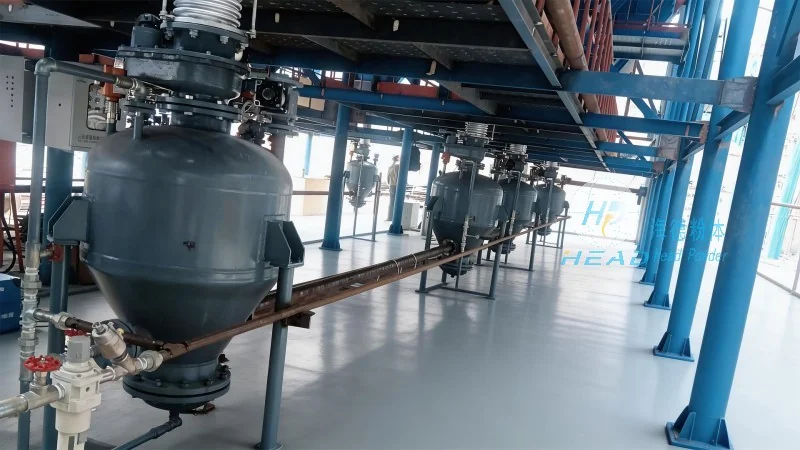
The aluminum dross pneumatic conveying system is widely used in aluminum processing plants, smelters, and recycling facilities. It is particularly suitable for applications where the dross needs to be transported from the production area to a central processing or disposal site. The system can handle various types of aluminum dross, including fine and coarse particles, and can be customized to meet the specific requirements of each client. The implementation of the system involves a thorough site assessment to determine the optimal layout of the piping network, the selection of appropriate components, and the integration with existing equipment. Shandong HeadPowder Engineering Co., Ltd. provides comprehensive engineering services, including design, installation, and commissioning, to ensure that the system meets the client's operational needs and regulatory requirements.
Conclusion
The aluminum dross pneumatic conveying system is a critical technology for managing aluminum dross in industrial settings. By leveraging advanced pneumatic conveying principles and robust structural components, the system offers an efficient, safe, and environmentally friendly solution for transporting dross. Shandong HeadPowder Engineering Co., Ltd. specializes in the design and implementation of such systems, providing clients with reliable and customized solutions that enhance operational efficiency and reduce environmental impact. As the aluminum industry continues to grow, the importance of effective dross management will only increase, making the aluminum dross pneumatic conveying system an essential component of modern aluminum processing facilities.




