HeadPowder, a leading engineering company based in Shandong, China, specializes in the design and manufacturing of advanced pneumatic conveying systems tailored for various industrial applications, including the efficient handling of dry soybeans. This article provides a comprehensive overview of the dry soybean pneumatic conveying system, detailing its structural components and operational principles to help users understand its functionality and benefits.
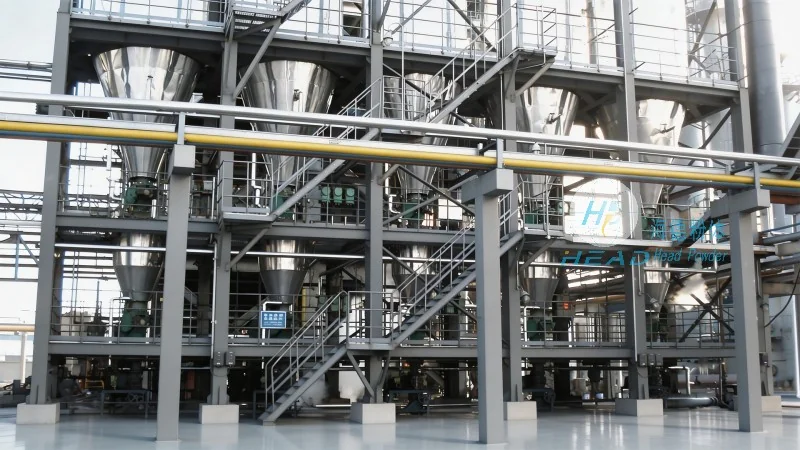
Overview of the Dry Soybean Pneumatic Conveying System
The dry soybean pneumatic conveying system is a sophisticated piece of equipment designed to transport dry soybeans from one location to another using compressed air or other gas as the conveying medium. This method offers significant advantages over traditional mechanical conveying systems, such as reduced equipment wear, lower maintenance costs, and improved product cleanliness. The system is particularly suitable for applications where the soybeans need to be moved over long distances or through complex layouts without the risk of contamination or damage.
Key Structural Components of the System
The dry soybean pneumatic conveying system consists of several critical components that work in tandem to ensure efficient and reliable operation. The main components include the hopper, which serves as the storage and feeding unit for the dry soybeans; the air compressor or blower, which generates the necessary pressure to move the material; the pipeline system, which transports the soybeans and air mixture; the control valves and regulators, which manage the flow and pressure; and the discharge unit, which delivers the soybeans to the final destination. Each component is carefully designed to handle the specific characteristics of dry soybeans, such as their size, density, and moisture content, ensuring optimal performance.
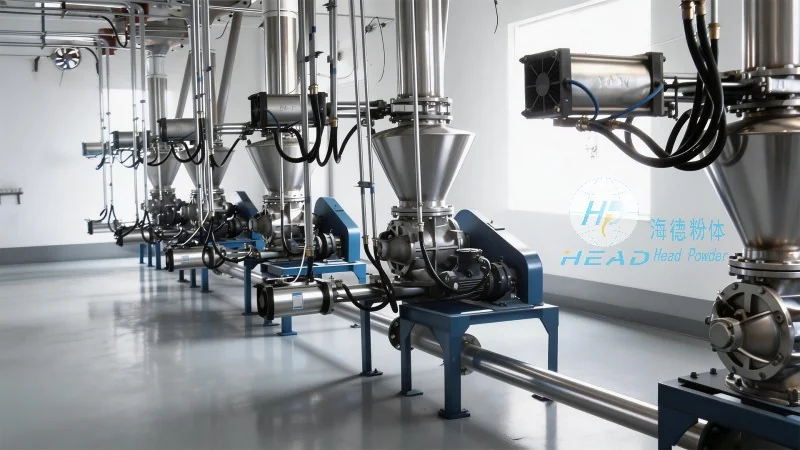
Working Principles of the Pneumatic Conveying System
The operation of the dry soybean pneumatic conveying system is based on the principle of fluidization and suspension. When compressed air is introduced into the hopper, it creates a low-pressure environment that lifts the dry soybeans into the pipeline. The air flow then carries the soybeans through the pipeline, maintaining them in a suspended state. The velocity of the air is carefully controlled to prevent the soybeans from settling or damaging the pipeline. The system uses a combination of positive and negative pressure zones to move the material, with the air compressor providing the necessary pressure to overcome resistance and move the material to the desired location. The control valves and regulators ensure that the air pressure and flow rate are maintained at optimal levels, preventing overloading or underloading of the system.
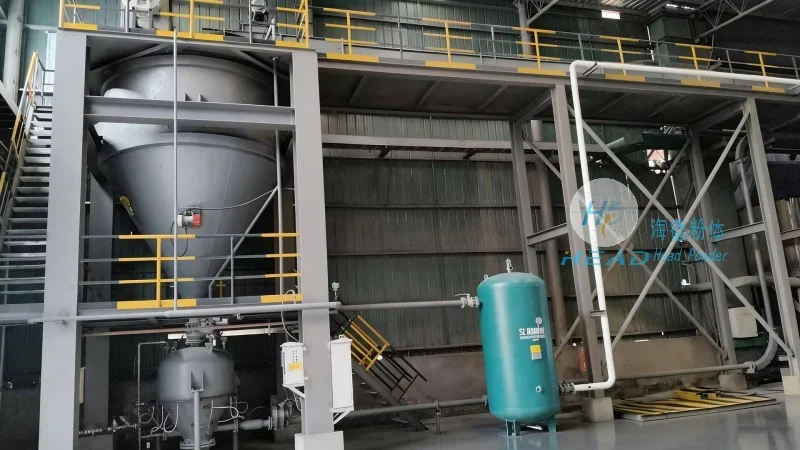
Advantages of Using a Pneumatic Conveying System for Dry Soybeans
Implementing a pneumatic conveying system for dry soybeans offers numerous benefits that enhance operational efficiency and product quality. Firstly, the system minimizes the risk of contamination, as the soybeans are not in direct contact with mechanical parts or other materials. This is particularly important for food-grade applications where hygiene is paramount. Secondly, the system reduces the need for manual handling, which improves safety and reduces labor costs. Thirdly, the system is highly flexible, allowing for easy integration with existing production lines and the ability to adjust the conveying capacity as needed. Additionally, the system is energy-efficient, as it uses less power compared to traditional mechanical systems, resulting in lower operating costs over time.
Applications and Considerations for Dry Soybean Pneumatic Conveying
The dry soybean pneumatic conveying system is widely used in various industries, including food processing, agricultural storage, and manufacturing. It is particularly suitable for applications where the soybeans need to be transported from storage silos to processing plants, or from one processing stage to another. When selecting a pneumatic conveying system for dry soybeans, several factors should be considered, such as the volume of material to be conveyed, the distance to be covered, the required conveying speed, and the environmental conditions. It is also important to consider the type of air compressor or blower, as different models are suitable for different applications. For example, a positive displacement blower is often used for short-distance conveying, while a centrifugal blower is more suitable for long-distance applications.




