HeadPowder, a leading enterprise in the field of pneumatic conveying technology, specializes in the design, manufacturing, and supply of advanced systems for transporting organic salts. With a strong commitment to innovation and quality, the company has established itself as a trusted partner for industries requiring efficient and reliable material handling solutions. This article provides an overview of the organic salt pneumatic conveying system, detailing its structural components and operational principles.
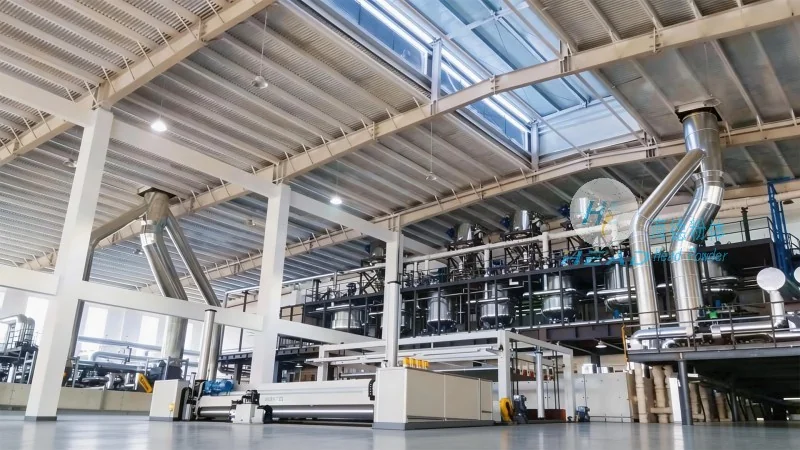
Company Profile: Shandong HeadPowder Engineering Co., Ltd.
HeadPowder, the abbreviation for Shandong HeadPowder Engineering Co., Ltd., is headquartered in Shandong, China. The company leverages decades of experience in the engineering and manufacturing sectors to develop cutting-edge pneumatic conveying systems tailored to the specific needs of various industries. By focusing on research and development, HeadPowder ensures that its products meet the highest standards of performance, durability, and safety, making them suitable for diverse applications involving organic salts and other bulk materials.
Key Components of the Organic Salt Pneumatic Conveying System
The organic salt pneumatic conveying system is a sophisticated piece of equipment designed to transport organic salts through a pressurized air stream. The system typically consists of several core components that work in concert to ensure efficient material handling. These components include a feeding device, a conveying pipeline, a control unit, and a discharge mechanism. The feeding device is responsible for introducing the organic salt into the system, while the conveying pipeline transports the material along the desired path. The control unit manages the air pressure and flow rate to maintain optimal conveying conditions. Finally, the discharge mechanism allows the organic salt to be released at the destination point. Each component is carefully engineered to ensure seamless operation and minimal maintenance requirements.
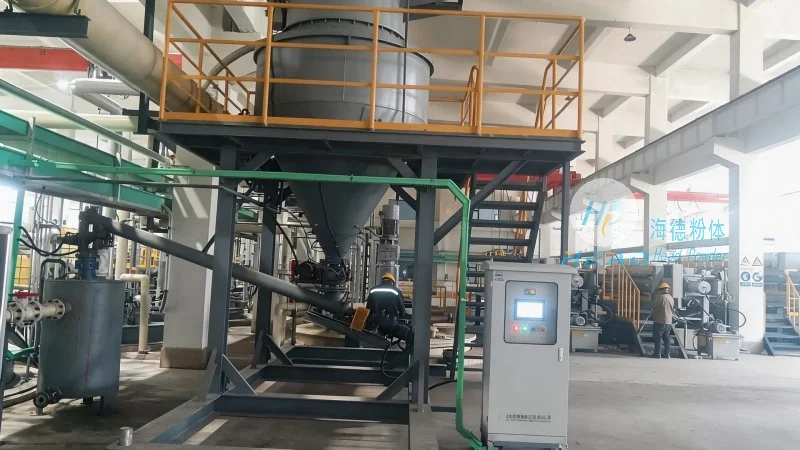
Working Principle of the Organic Salt Pneumatic Conveying System
The operation of the organic salt pneumatic conveying system is based on the principle of pneumatic transport, where bulk materials are moved through a pipeline using a pressurized air stream. The process begins with the organic salt being fed into the system via the feeding device. The material is then accelerated by the high-velocity air flowing through the conveying pipeline. As the air and material mixture travels through the pipeline, the organic salt is suspended and transported to the discharge point. The control unit continuously monitors and adjusts the air pressure and flow rate to maintain a stable conveying process. This method of transport is particularly effective for organic salts due to its ability to handle fine or cohesive materials without the need for mechanical components that could cause wear or contamination. The system’s design minimizes the risk of material degradation and ensures a clean, efficient transfer of the organic salt from the source to the destination.
Advantages of the Organic Salt Pneumatic Conveying System
Compared to traditional mechanical conveying methods, the organic salt pneumatic conveying system offers several significant advantages. First, it eliminates the need for moving parts in the conveying pipeline, reducing maintenance costs and extending the system’s lifespan. Second, the system provides a hygienic and dust-free environment, which is crucial for organic salts used in food, pharmaceutical, or chemical industries. Third, the pneumatic transport method allows for flexible routing of the conveying pipeline, enabling the system to be adapted to various facility layouts without major structural modifications. Additionally, the system can handle a wide range of organic salt types, including those with varying particle sizes and moisture content. These advantages make the organic salt pneumatic conveying system an ideal choice for industries seeking efficient, reliable, and cost-effective material handling solutions.
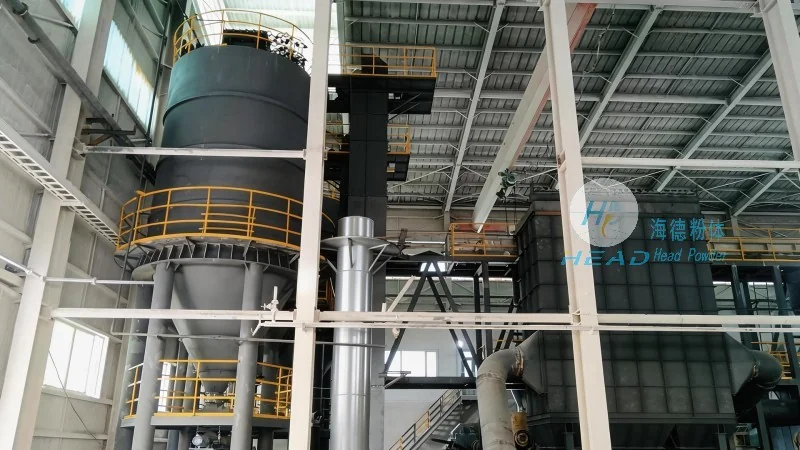
Applications and Industries Served
The organic salt pneumatic conveying system is widely used across various industries that require the transport of organic salts. In the food industry, it is commonly employed for handling salts such as sodium chloride or potassium chloride used in food processing and preservation. In the pharmaceutical sector, the system ensures the safe and sterile transport of organic salts used in drug formulations. The chemical industry also utilizes this technology for transporting organic salts involved in chemical reactions and production processes. Furthermore, the system is applicable in the agricultural sector for handling fertilizers and other organic salt-based products. By catering to these diverse applications, HeadPowder’s organic salt pneumatic conveying system demonstrates its versatility and effectiveness in meeting the material handling needs of different sectors.
Conclusion and Future Outlook
HeadPowder’s organic salt pneumatic conveying system represents a significant advancement in material handling technology, offering efficient, reliable, and hygienic solutions for the transport of organic salts. With its robust design and advanced operational principles, the system addresses the challenges faced by industries dealing with bulk organic salts. As the demand for efficient material handling solutions continues to grow, HeadPowder remains committed to innovation, ensuring that its products remain at the forefront of the industry. By leveraging its expertise and experience, the company is poised to meet the evolving needs of its clients, providing tailored solutions that enhance productivity and reduce operational costs. The organic salt pneumatic conveying system stands as a testament to HeadPowder’s dedication to quality and excellence in the field of pneumatic conveying technology.




