HeadPowder, a leading enterprise in the field of material handling solutions, specializes in the design, manufacturing, and installation of advanced pneumatic conveying systems. This article provides an overview of the silica fume pneumatic conveying system, focusing on its structural components and operational principles. The system is engineered to efficiently transport silica fume, a critical additive in various industrial applications, ensuring high performance and reliability.
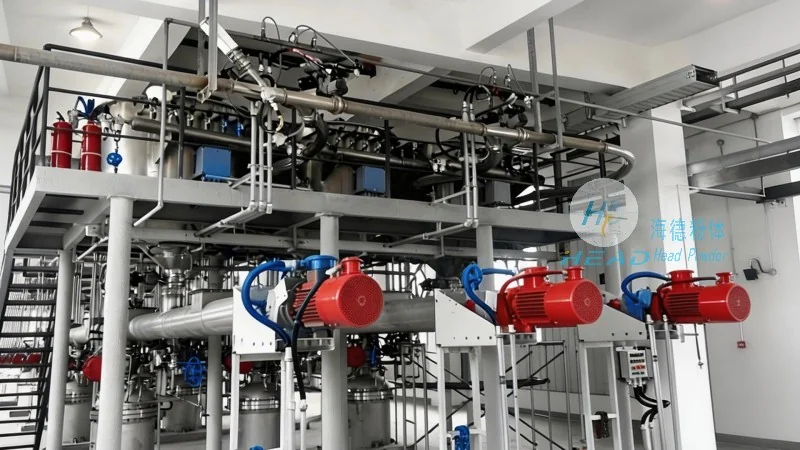
Company Profile and Core Expertise
Shandong HeadPowder Engineering Co., Ltd., commonly known as HeadPowder, is headquartered in Shandong, China. With years of experience in the material handling industry, the company has established itself as a trusted provider of customized pneumatic conveying solutions. HeadPowder's expertise lies in understanding the unique requirements of different industries, particularly those dealing with fine powders like silica fume. The company's commitment to quality and innovation has enabled it to deliver systems that meet stringent industry standards and client expectations.
Understanding Silica Fume and Its Transport Challenges
Silica fume, also known as microsilica, is a byproduct of silicon metal or ferrosilicon production. It is a fine, highly reactive powder with a high surface area, making it valuable in applications such as concrete additives, refractory materials, and specialty chemicals. Transporting silica fume poses unique challenges due to its fine particle size, high density, and potential for dust generation. Traditional methods like belt conveyors or bucket elevators may not be suitable for such delicate materials, as they can cause particle degradation, blockages, or excessive wear. Pneumatic conveying systems offer a superior solution by utilizing air to move the material through a sealed pipeline, minimizing contamination and ensuring consistent flow.
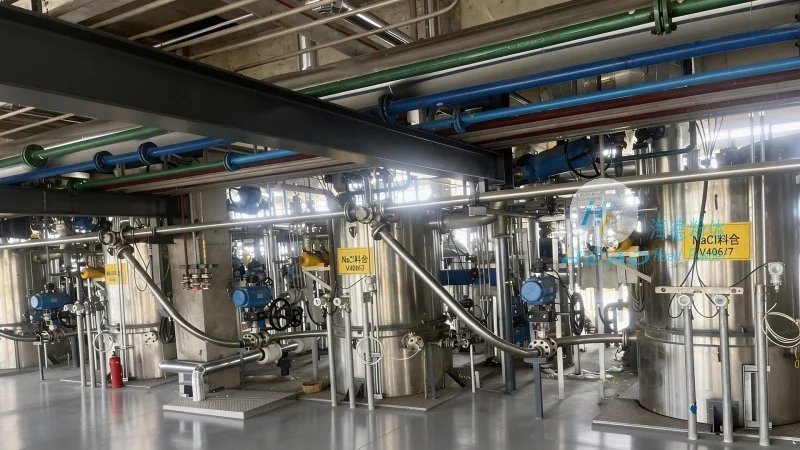
Structural Components of the Silica Fume Pneumatic Conveying System
The silica fume pneumatic conveying system consists of several key components that work in tandem to achieve efficient material transport. These components include the material feed hopper, air supply system, conveying pipeline, and control valves. The feed hopper is designed to store and feed the silica fume into the system at a controlled rate, preventing overloading and ensuring a steady flow. The air supply system typically includes a blower or compressor that generates the necessary air pressure to move the material through the pipeline. The conveying pipeline is made of materials resistant to corrosion and abrasion, such as stainless steel or special alloys, to withstand the abrasive nature of silica fume particles. Control valves, including inlet and outlet valves, are used to regulate the flow of air and material, allowing for precise control over the conveying process.
Working Principle of the Pneumatic Conveying System
The operation of the silica fume pneumatic conveying system is based on the principle of air suspension and pressure differential. The system works by creating a high-pressure air stream that lifts and transports the silica fume particles through the pipeline. The material is introduced into the air stream at the feed hopper, where it is mixed with the air and carried along the pipeline. The air pressure is maintained at a level sufficient to overcome the gravitational force of the material and any frictional losses in the pipeline. As the material travels through the system, it is directed to the discharge point, where it is collected in a receiving hopper or storage tank. The system is equipped with pressure sensors and flow meters to monitor the performance and ensure optimal operation. The control system adjusts the air pressure and flow rate as needed to maintain consistent material delivery.
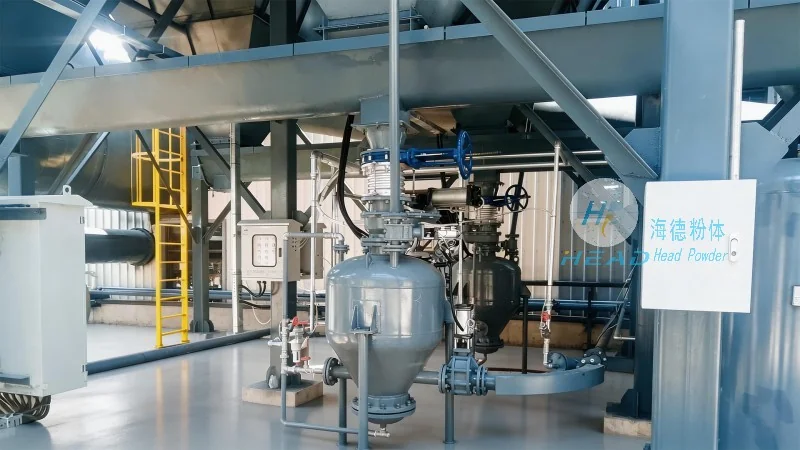
Advantages of the Silica Fume Pneumatic Conveying System
Compared to traditional transport methods, the silica fume pneumatic conveying system offers several advantages. Firstly, it provides a dust-free and sealed environment, preventing contamination of the material and protecting the surrounding environment. Secondly, the system minimizes material degradation, as the particles are not subjected to mechanical stress or impact during transport. Thirdly, it offers high efficiency and reliability, with the ability to transport large quantities of material over long distances with minimal downtime. Additionally, the system is easy to install and maintain, with modular components that can be customized to fit specific site requirements. These advantages make the system an ideal choice for industries that require high-quality, consistent delivery of silica fume.
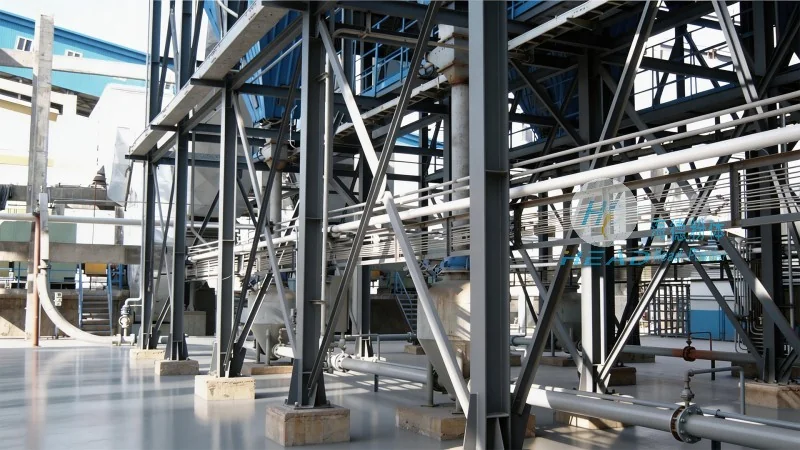
Applications and Industry Impact
The silica fume pneumatic conveying system is widely used in various industries, including construction, refractory, and chemical manufacturing. In the construction industry, the system is used to transport silica fume for concrete production, where it enhances the strength and durability of the concrete. In the refractory industry, the system is used to transport silica fume for the production of refractory materials, which are used in high-temperature applications. In the chemical industry, the system is used to transport silica fume for the production of specialty chemicals, such as silicone-based products. The system's ability to handle fine powders efficiently and reliably has made it an essential component in these industries, contributing to improved productivity and product quality.
Conclusion and Future Outlook
HeadPowder's silica fume pneumatic conveying system represents a cutting-edge solution for the efficient and reliable transport of fine materials. By leveraging advanced engineering and materials, the system ensures high performance, minimal maintenance, and environmental compliance. As industries continue to demand higher quality and consistency in their materials, the importance of such systems will only grow. HeadPowder remains committed to innovation and customer satisfaction, providing tailored solutions that meet the evolving needs of the market. With its expertise and experience, HeadPowder is well-positioned to continue leading the way in material handling technology.




