Hydroxide cobalt is a critical raw material widely used in the production of lithium-ion batteries, particularly in the cathode materials for high-energy density batteries. Efficient and reliable material handling is essential to ensure consistent quality and productivity in the battery manufacturing process. Pneumatic conveying technology offers a solution for transporting hydroxide cobalt with precision and minimal contamination, making it a preferred method in modern industrial applications.
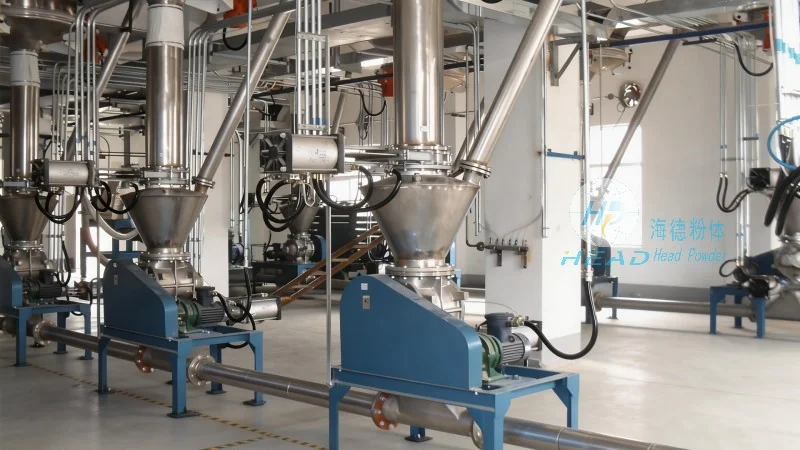
Introduction to Hydroxide Cobalt Pneumatic Conveying
HeadPowder, a leading provider of powder handling solutions, specializes in advanced pneumatic conveying systems tailored for hydroxide cobalt transport. The company, based in Shandong, China, leverages over a decade of experience in powder processing to deliver customized solutions that meet the stringent requirements of the battery industry. This article explores the principles, practical applications, and emerging trends in hydroxide cobalt pneumatic conveying, highlighting how such systems enhance operational efficiency and product integrity.
Principles of Pneumatic Conveying for Hydroxide Cobalt
Pneumatic conveying involves the transportation of solid particles, such as hydroxide cobalt, using a gas stream (typically air or a mixture of air and other gases). The technology can be categorized into two main types: aspiration (or suction) conveying and pressure (or positive) conveying. In aspiration systems, a vacuum is created at the receiving end to draw material from a storage silo or hopper into the conveying line. This method is ideal for handling materials with low flowability or those that require gentle handling to prevent agglomeration. Pressure conveying, on the other hand, uses compressed air to push material through the pipeline from a storage vessel to the processing point. This approach is suitable for high-volume, continuous operations and can handle materials with better flow characteristics.
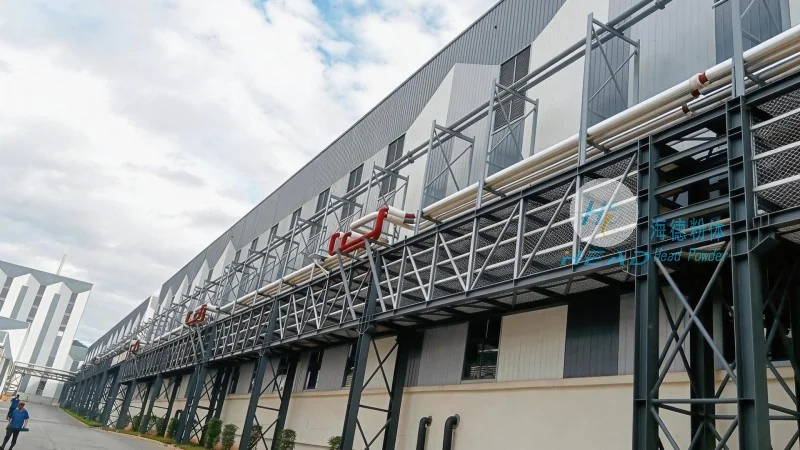
The core components of a pneumatic conveying system for hydroxide cobalt include the material feed hopper, a rotary valve or feeder to control the flow rate, a conveying pipeline, a filter or separator to remove entrained particles from the air stream, and a dust collection system. The selection of the appropriate conveying type and component design is crucial to optimize performance, minimize energy consumption, and ensure the material remains in a dry, free-flowing state throughout the process.
Applications of Hydroxide Cobalt Pneumatic Conveying
Hydroxide cobalt is primarily used in the production of lithium cobalt oxide (LCO), a key cathode material for lithium-ion batteries. The pneumatic conveying systems used in this process must be capable of handling fine powders with high purity and low moisture content. HeadPowder’s systems are designed to transport hydroxide cobalt from storage silos to mixing and grinding equipment, ensuring a consistent feed rate that maintains the quality of the final cathode material. In addition to battery manufacturing, hydroxide cobalt is also used in other applications, such as catalysts and pigments, where precise material handling is essential to avoid contamination and maintain product specifications.
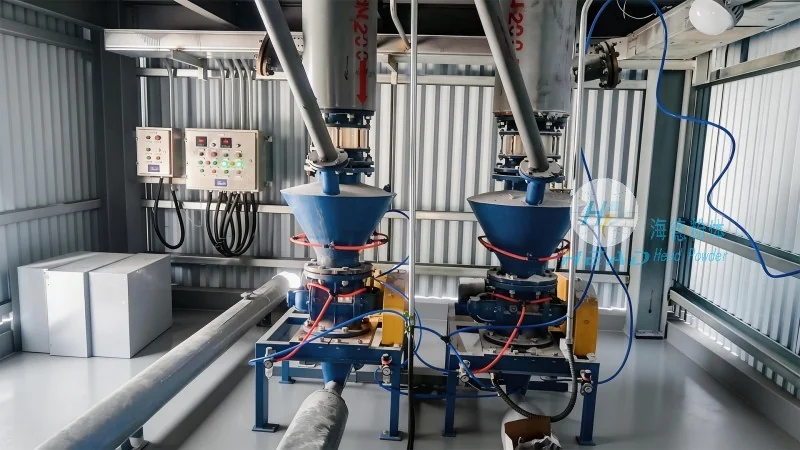
One of the key advantages of pneumatic conveying in these applications is its ability to handle materials in a closed system, reducing exposure to environmental factors and preventing dust contamination. This is particularly important for hydroxide cobalt, which is sensitive to moisture and oxidation. The closed-loop design of the conveying system also minimizes material loss and improves overall process efficiency. Furthermore, the flexibility of pneumatic conveying allows for easy integration with existing production lines, enabling manufacturers to upgrade their material handling capabilities without major infrastructure changes.
Advancements and Future Trends in Hydroxide Cobalt Pneumatic Conveying
The field of hydroxide cobalt pneumatic conveying is continuously evolving, driven by the increasing demand for high-performance batteries and the need for more sustainable manufacturing processes. Recent advancements focus on improving system efficiency, reducing energy consumption, and enhancing material handling capabilities. For instance, the adoption of high-pressure conveying systems has enabled the transport of larger quantities of hydroxide cobalt over longer distances with lower air consumption. This technology reduces the number of transfer points and minimizes the risk of material degradation during transit.
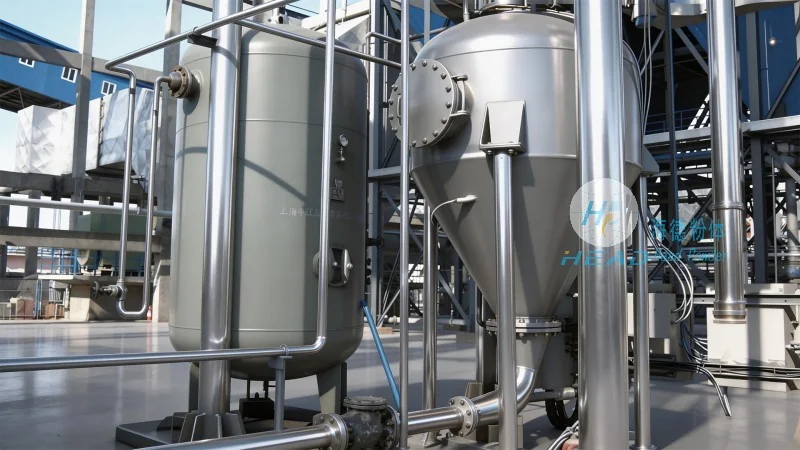
Another emerging trend is the integration of automation and control systems into pneumatic conveying equipment. Modern systems now feature advanced sensors and control panels that monitor flow rates, pressure, and temperature in real-time. This allows for dynamic adjustments to the conveying process, ensuring optimal performance under varying production conditions. Additionally, the use of dry powder handling technologies has become more prevalent, as they eliminate the need for water or other liquids in the conveying process, reducing waste and improving material purity.
Future developments in hydroxide cobalt pneumatic conveying are likely to focus on sustainability and environmental compliance. Manufacturers are increasingly adopting energy-efficient systems and implementing recycling measures to reduce the carbon footprint of the battery production process. HeadPowder, as a forward-thinking company, is at the forefront of these developments, offering innovative solutions that combine efficiency with environmental responsibility. The company’s commitment to research and development ensures that its pneumatic conveying systems remain at the cutting edge of technology, meeting the evolving needs of the battery industry.




