Quartz sand powder pneumatic conveying systems are essential equipment in industrial processes, particularly for the efficient handling and transportation of fine powders like quartz sand. These systems utilize air as the conveying medium to move materials from one location to another, offering advantages such as reduced dust generation, improved safety, and enhanced operational flexibility. The following overview delves into the key components, structural design, and operational principles of such systems, providing a comprehensive understanding for professionals in the field.
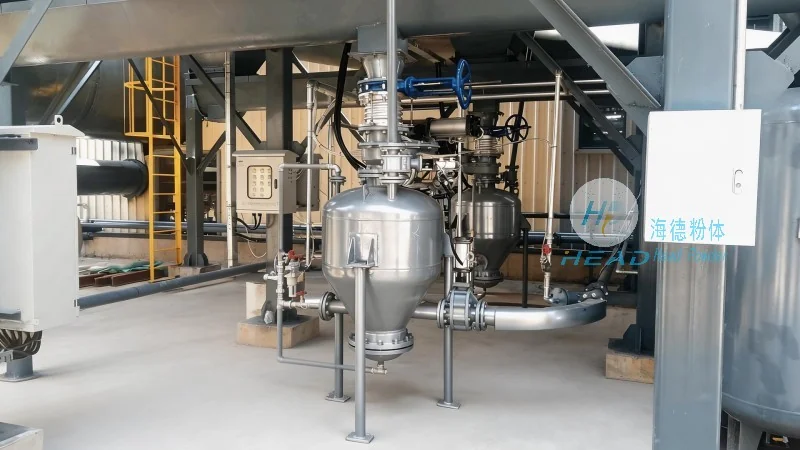
Key Components and Structural Design of Pneumatic Conveying Systems
The core structure of a quartz sand powder pneumatic conveying system typically includes several critical components that work in tandem to ensure reliable operation. The primary elements are the material feed hopper, which holds the quartz sand powder and regulates the flow rate; the air compressor or blower, which generates the necessary air pressure to move the material; the conveying line, which consists of pipes that transport the material and air mixture; and the receiver or discharge hopper, where the material is collected after transportation. Additionally, auxiliary components such as filters, cyclones, and control valves may be integrated to enhance system performance and maintain air quality. The design of these components is tailored to the specific characteristics of quartz sand powder, including particle size, density, and moisture content, to optimize conveying efficiency and minimize operational issues.
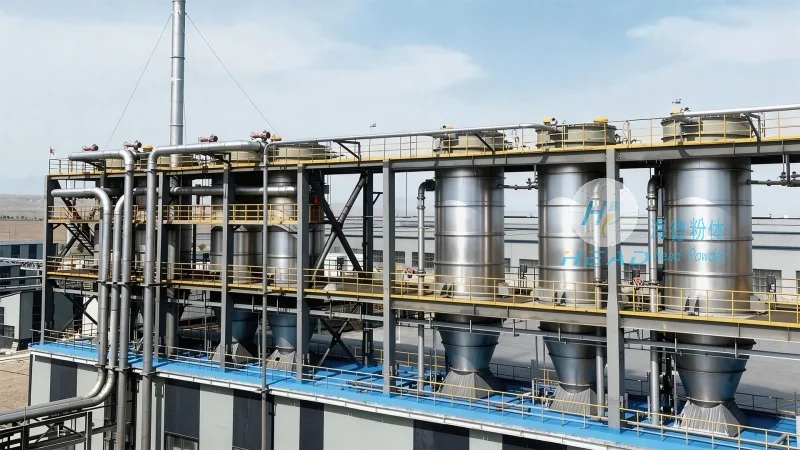
Working Principles and Operational Mechanisms
The operational principle of a quartz sand powder pneumatic conveying system is based on the interaction between the material particles and the air stream. When the air compressor provides a consistent airflow, the quartz sand powder is drawn into the conveying line through the feed hopper. The air velocity within the pipe is maintained above the material's terminal velocity, ensuring that the particles remain suspended and transported efficiently. The system may employ different conveying modes, including dilute phase (where particles are dispersed in the air stream) or dense phase (where particles are more concentrated), depending on the material characteristics and application requirements. The structural design of the components, such as the angle and diameter of the pipes, the size of the hopper openings, and the placement of valves, all contribute to the system's overall efficiency and reliability. For example, the use of inclined pipes can help prevent material settling, while properly sized valves can regulate the flow rate and prevent backflow.
About Shandong HeadPowder Engineering Co., Ltd.
Shandong HeadPowder Engineering Co., Ltd., commonly known as headpowder, is a leading manufacturer and supplier of industrial pneumatic conveying systems. With a strong presence in China, particularly in Shandong province, the company specializes in designing and manufacturing customized solutions for various powder handling applications. The company's commitment to quality, innovation, and customer satisfaction has established it as a trusted partner in the industry, providing reliable equipment that meets the diverse needs of clients worldwide. Headpowder's team of engineers and technicians leverages advanced technology and years of experience to develop systems that are not only efficient but also durable and easy to maintain. The company's facilities in Shandong are equipped with state-of-the-art manufacturing equipment and quality control measures, ensuring that every product meets or exceeds industry standards.
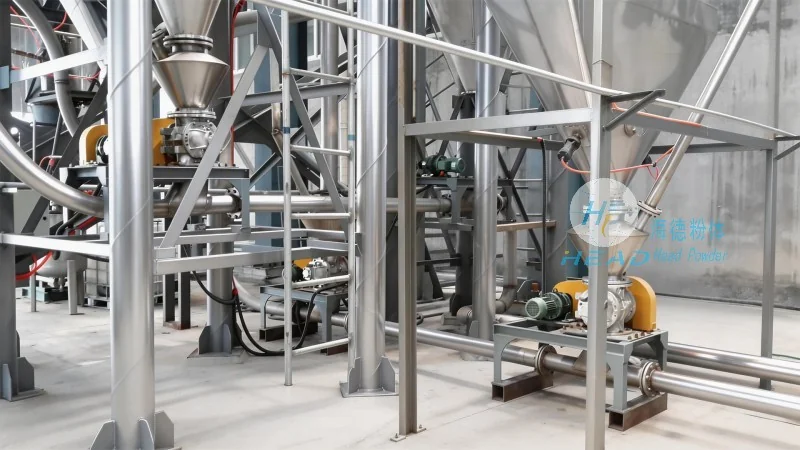
Applications and Benefits of Quartz Sand Powder Pneumatic Conveying Systems
Quartz sand powder pneumatic conveying systems find wide applications in various industries, including construction, glass manufacturing, and chemical processing. In the construction industry, these systems are used to transport quartz sand for concrete production, ensuring consistent material quality and reducing manual handling. In glass manufacturing, the systems help deliver quartz sand to furnaces, where it is used as a raw material for glass production. The benefits of using pneumatic conveying systems for quartz sand powder include improved material handling efficiency, reduced labor costs, and enhanced workplace safety. Additionally, the systems help minimize dust exposure, which is crucial for maintaining a healthy work environment and complying with environmental regulations. By integrating advanced control systems and monitoring technologies, these systems can be optimized for continuous operation, further enhancing their performance and reliability.




