For the efficient handling and transportation of magnesium silicate, specialized air-flow transport structures are essential. These systems are designed to ensure the safe and effective movement of the material, which is often used in various industrial applications due to its unique properties. The following sections outline the primary air-flow transport structures commonly employed in the industry, providing insights into their design, functionality, and application.
Key Components of Air-Flow Transport Systems
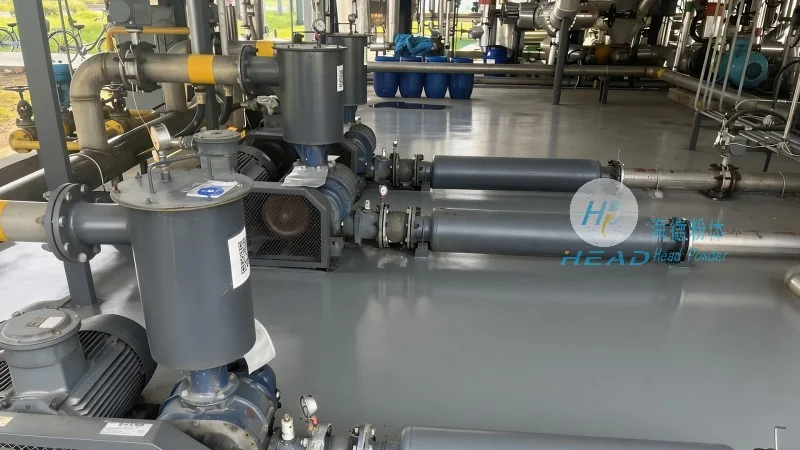
The air-flow transport structures for magnesium silicate typically consist of several critical components that work in tandem to facilitate material movement. These components include the feeding mechanism, which introduces the material into the system, the air delivery system that generates the necessary airflow, and the conveying pipeline that transports the material from the source to the destination. Each component is engineered to handle the specific characteristics of magnesium silicate, such as its particle size, density, and flowability. The feeding mechanism may involve hoppers or feeders that control the rate of material discharge, ensuring a consistent flow into the system. The air delivery system often utilizes blowers or compressors to generate the required air pressure, which is then directed through the conveying pipeline. The pipeline itself is typically made of materials like stainless steel or plastic, chosen for their resistance to corrosion and wear from the abrasive nature of magnesium silicate particles. Additionally, the system may include cyclone separators or filters to separate the material from the air at the end of the transport process, preventing dust accumulation and ensuring compliance with environmental regulations.
Types of Air-Flow Transport Structures
There are several types of air-flow transport structures used for magnesium silicate, each suited to different operational requirements and material characteristics. The most common types include positive pressure systems, negative pressure systems, and hybrid systems. Positive pressure systems operate by blowing air into the pipeline, pushing the material forward. This method is effective for conveying materials over longer distances and at higher capacities. Negative pressure systems, on the other hand, draw air and material out of the pipeline using a vacuum, which is suitable for applications where dust control is a priority. Hybrid systems combine elements of both positive and negative pressure, offering flexibility in handling varying material loads and distances. Another type of system is the dilute phase system, which uses high-velocity air to transport material in a suspended state, minimizing the risk of blockages and ensuring smooth operation. Dense phase systems, conversely, use lower air velocities to transport material in a more compact form, which is beneficial for handling fine powders or materials that are prone to bridging. The choice of system depends on factors such as the distance to be covered, the volume of material to be transported, and the need for dust control or material preservation.
Design Considerations for Magnesium Silicate Transport
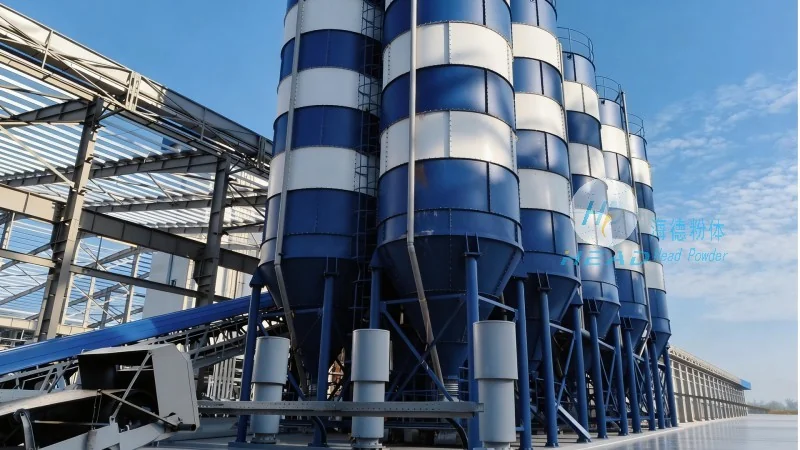
When designing air-flow transport structures for magnesium silicate, several key considerations must be taken into account to ensure optimal performance and longevity. First, the material of construction is critical. Magnesium silicate is an abrasive material, and the components of the transport system, particularly the pipelines and elbows, must be made of materials that can withstand wear and corrosion. Stainless steel is a common choice due to its durability and resistance to chemical attack, while some systems may use lined pipes or coated components to extend their lifespan. Second, the system must be designed to handle the specific flow characteristics of magnesium silicate. The material may have a tendency to agglomerate or form bridges, which can lead to blockages if not properly managed. Therefore, the design may include features such as vibration feeders or agitators to prevent material buildup and ensure consistent flow. Third, dust control is a significant concern in air-flow transport systems, especially when handling fine powders like magnesium silicate. The system should incorporate effective dust collection and filtration mechanisms to prevent airborne contamination and comply with environmental regulations. This may involve cyclone separators, bag filters, or electrostatic precipitators, depending on the system's requirements. Fourth, energy efficiency is an important factor in the design of air-flow transport structures. The system should be optimized to minimize energy consumption while maintaining the required airflow and material transport capacity. This can be achieved through the selection of efficient blowers, proper pipeline sizing, and the use of aerodynamic components that reduce pressure losses. Finally, safety considerations are paramount. The system must be designed to prevent the release of hazardous dust or fumes, and appropriate safety measures, such as explosion-proof components and emergency shutdown systems, should be incorporated to protect personnel and equipment.
Applications and Performance of Air-Flow Transport Structures
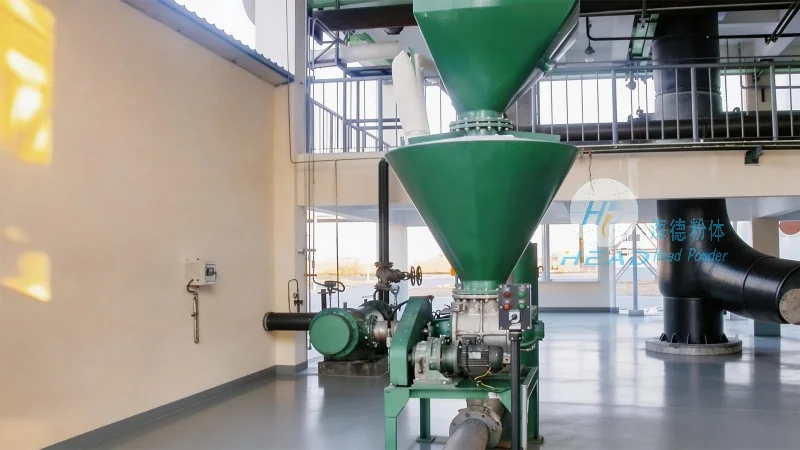
Air-flow transport structures for magnesium silicate are widely used in various industrial applications, including the production of refractory materials, ceramics, and construction products. In these applications, the efficient and reliable transport of magnesium silicate is crucial for maintaining production efficiency and product quality. The performance of the air-flow transport system directly impacts the overall productivity of the facility. For example, in the production of refractory bricks, the consistent supply of magnesium silicate to the mixing and molding processes is essential for achieving uniform product characteristics. In the ceramics industry, the precise control of magnesium silicate feed rates is critical for controlling the final properties of the ceramic products. The air-flow transport structures must be capable of handling varying material loads and maintaining a stable flow rate, even under changing operational conditions. The performance of the system is also evaluated based on factors such as the material's throughput capacity, the system's efficiency in terms of energy consumption, and the level of dust control achieved. Modern air-flow transport systems for magnesium silicate are often equipped with advanced monitoring and control systems that allow for real-time adjustments to optimize performance. These systems may include sensors to monitor airflow, pressure, and material levels, as well as control panels that enable operators to adjust the system parameters as needed. The integration of such technologies enhances the reliability and efficiency of the transport process, ensuring that the magnesium silicate is handled safely and effectively throughout the production cycle.
Conclusion
In conclusion, the air-flow transport structures for magnesium silicate are sophisticated systems that play a vital role in the efficient handling and transportation of this important industrial material. The design and selection of these structures require careful consideration of the material's properties, operational requirements, and safety regulations. By incorporating appropriate components, such as robust feeding mechanisms, efficient air delivery systems, and effective dust control measures, the air-flow transport structures can ensure the safe and reliable movement of magnesium silicate. The ongoing advancements in material handling technology continue to improve the performance and efficiency of these systems, making them essential for modern industrial applications. As the demand for magnesium silicate grows, the development of more advanced air-flow transport structures will remain a key focus in the industry, ensuring that the material is handled in a way that maximizes productivity and minimizes environmental impact.




