Clay pneumatic conveying equipment represents a sophisticated solution for the efficient transportation of clay materials across various industrial settings. This technology leverages compressed air to move fine, dry, or semi-dry clay particles through a sealed pipeline, offering several advantages over traditional mechanical conveying methods. The primary benefits include reduced product degradation, lower contamination risks, and the ability to handle materials over extended distances without intermediate storage. As a result, clay pneumatic conveyors are widely adopted in sectors such as ceramics, pharmaceuticals, and construction, where maintaining the integrity of clay is critical to downstream processes.
About Shandong HeadPowder Engineering Co., Ltd.
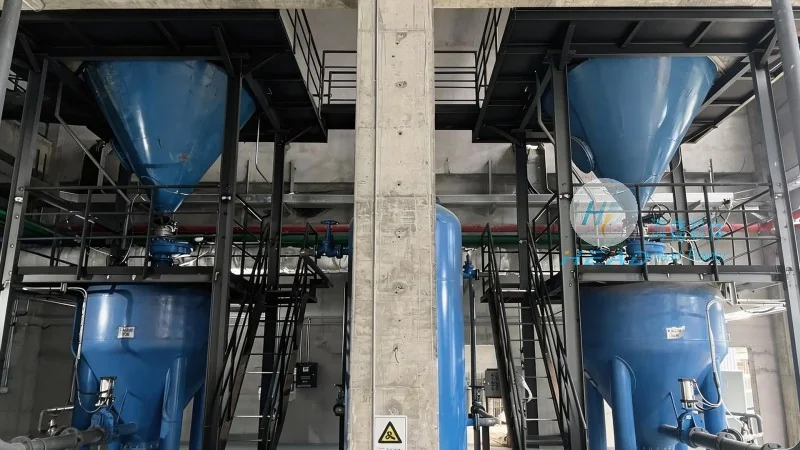
Shandong HeadPowder Engineering Co., Ltd., operating under the brand name headpowder, is a prominent manufacturer and supplier of pneumatic conveying systems. The company has built a reputation for delivering high-quality, customized solutions tailored to the unique requirements of clients. HeadPowder's headquarters is situated in Shandong, China, a region known for its industrial prowess and advanced manufacturing capabilities. The company's facility is equipped with cutting-edge technology and a skilled workforce, enabling the production of reliable and durable clay pneumatic conveying equipment. By focusing on innovation and customer satisfaction, HeadPowder has established itself as a trusted partner in the industry, providing comprehensive support from design to installation and maintenance.
Structural Principles of Clay Pneumatic Conveying Equipment
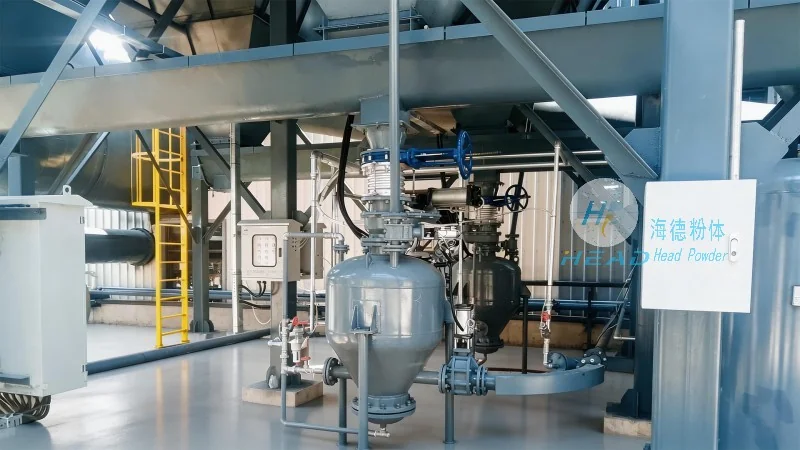
The fundamental structure of a clay pneumatic conveying system comprises several key components that work in tandem to ensure efficient material transport. The material hopper serves as the initial storage and feeding unit, where clay is loaded and fed into the system at a controlled rate. This hopper is typically designed with a sloped bottom to facilitate smooth material flow and prevent clogging. The air compressor is the heart of the system, generating the necessary pressure to move the clay particles through the pipeline. Depending on the application, different types of compressors may be used, such as rotary lobe or screw compressors, which provide consistent airflow and pressure. The conveying pipeline, often constructed from stainless steel or other corrosion-resistant materials, is designed to withstand the abrasive nature of clay and maintain airtight integrity. The pipeline is equipped with bends and elbows to guide the material along the desired path, minimizing pressure loss and ensuring smooth operation. At the discharge end, a cyclone separator or rotary valve is used to collect the clay, separating it from the air and directing it to the final destination. The entire system operates on the principle of air pressure, where the compressed air creates a pressure differential that propels the clay particles forward. This method eliminates the need for mechanical components like belts or buckets, reducing wear and tear and minimizing the risk of product contamination.
Key Features and Advantages of Clay Pneumatic Conveying Systems
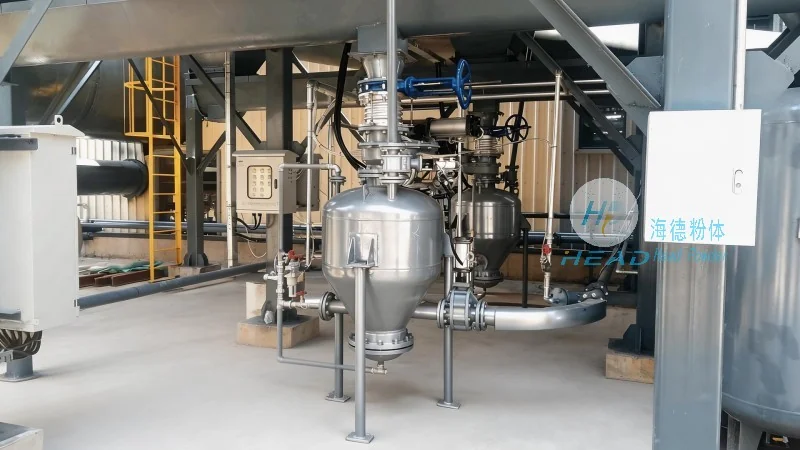
Clay pneumatic conveying equipment from Shandong HeadPowder Engineering Co., Ltd. offers several key features that enhance its performance and reliability. One of the primary advantages is the ability to handle fine or dusty clay without the need for additional dust control measures. The sealed pipeline design prevents dust from escaping into the environment, ensuring compliance with environmental regulations. Additionally, the system allows for the transportation of clay over long distances, making it suitable for applications where material sources and processing facilities are separated by significant distances. The low maintenance requirements of pneumatic conveying systems contribute to cost savings, as there are fewer moving parts compared to mechanical conveyors. Furthermore, the system can be easily integrated with other processing equipment, such as mixers or dryers, to form a complete material handling solution. The flexibility of the system enables customization to meet specific operational needs, including varying flow rates and material types. These features make clay pneumatic conveying equipment an ideal choice for industries that require efficient, clean, and reliable material transport.
Applications and Industries Served
Clay pneumatic conveying equipment is widely used across various industries that rely on the handling of clay materials. In the ceramics industry, for example, clay is transported from storage to production lines, ensuring consistent quality and minimizing downtime. The pharmaceutical industry utilizes clay pneumatic conveyors to transport raw materials or finished products, maintaining strict hygiene standards and preventing contamination. In the construction sector, clay is often used as a raw material for bricks or tiles, and pneumatic conveying systems help in efficiently moving the material from quarries to manufacturing facilities. Other industries that benefit from this technology include food processing, where clay is used as a filler or binder, and chemical manufacturing, where clay is processed as a raw material. The versatility of clay pneumatic conveying equipment makes it suitable for a wide range of applications, catering to the diverse needs of different industries.
Conclusion
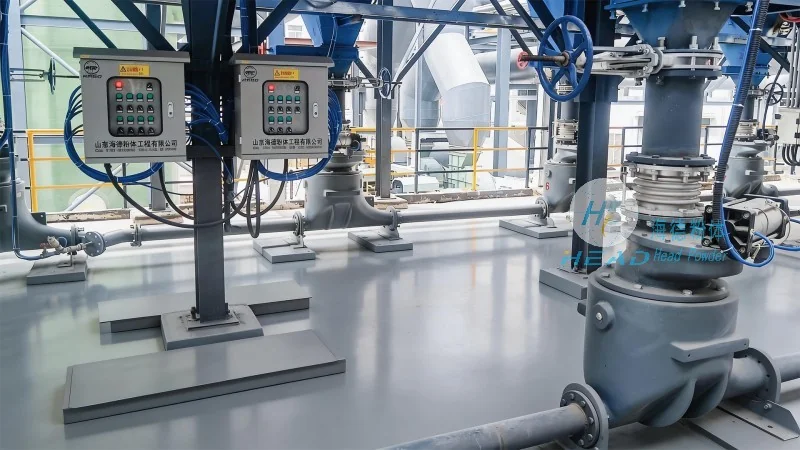
Clay pneumatic conveying equipment, as introduced by Shandong HeadPowder Engineering Co., Ltd., represents a reliable and efficient solution for the transportation of clay materials. By leveraging advanced structural principles and innovative design, this equipment offers numerous advantages over traditional methods, including reduced contamination, lower maintenance costs, and the ability to handle materials over long distances. The company's commitment to quality and customization ensures that clients receive tailored solutions that meet their specific operational requirements. With its headquarters in Shandong, China, HeadPowder continues to lead the industry in providing high-performance pneumatic conveying systems, supporting clients in achieving their material handling goals with precision and efficiency.




