HeadPowder, a leading manufacturer based in Shandong, China, specializes in the design and production of advanced pneumatic conveying systems tailored for the efficient handling of fly ash. This equipment is crucial in modern industrial applications where the safe and reliable transport of fly ash is essential. The following overview will delve into the key components, structural principles, and operational mechanisms of such systems, providing a comprehensive understanding for potential users and industry professionals.
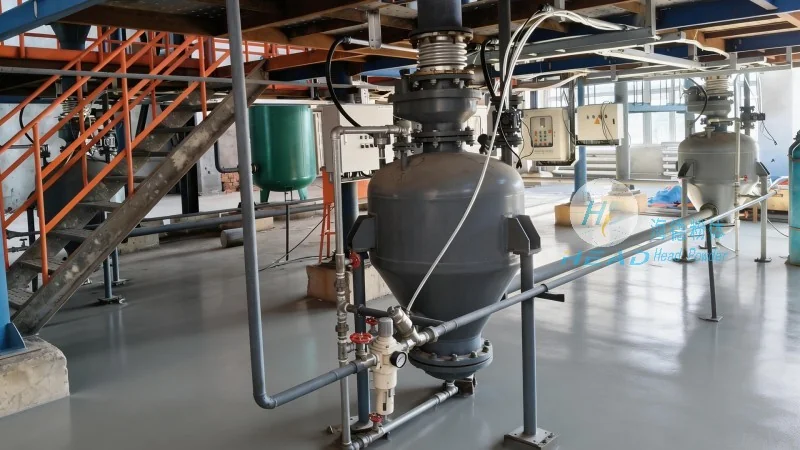
Key Structural Components of Fly Ash Pneumatic Conveying Systems
The core structure of a pneumatic conveying system for fly ash typically consists of several integrated components that work in concert to achieve efficient material transport. The primary components include the material feeding system, conveying pipeline network, air supply system, and material separation and recovery units. Each component is engineered to meet specific performance requirements, ensuring optimal operation under various industrial conditions.
Material Feeding System: Ensuring Uniform and Controlled Input
The material feeding system is a critical initial stage in the pneumatic conveying process. It is responsible for delivering fly ash from storage silos or hoppers to the conveying pipeline in a uniform and controlled manner. This system often incorporates a hopper with a feeder, such as a rotary valve or a screw feeder, which regulates the flow rate of the material. The design of the feeder is crucial to prevent blockages and ensure consistent feeding, as fluctuations in input can affect the overall conveying efficiency and system stability.
Conveying Pipeline Network: The Main Transport Path
The conveying pipeline is the central pathway through which fly ash is transported under pressure. It is typically made of high-quality materials like stainless steel or corrosion-resistant alloys to withstand the abrasive nature of fly ash and the pressure differentials involved. The pipeline network may include straight sections, bends, and vertical lifts, each designed to maintain the material's flow characteristics. The diameter and length of the pipeline are carefully selected based on the material's properties, such as particle size, density, and moisture content, as well as the required conveying distance and flow rate.
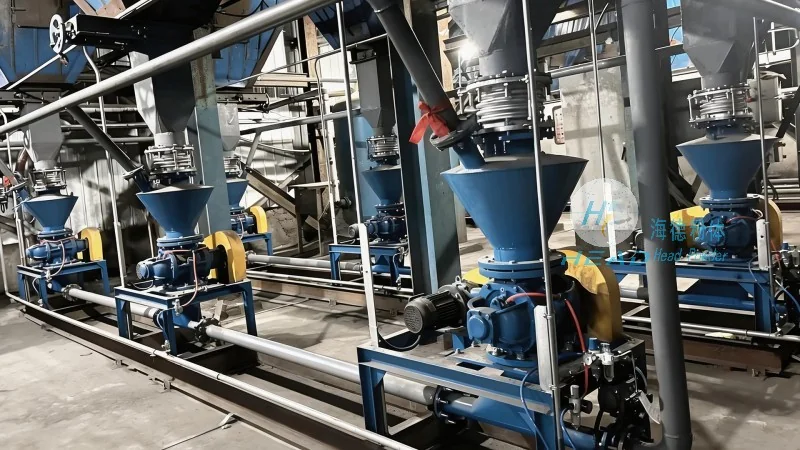
Air Supply System: Generating the Conveying Force
The air supply system provides the necessary pressure and volume of air to create the conveying force that propels the fly ash through the pipeline. This system typically includes a blower or a positive displacement compressor, which generates the required air pressure. The air is then filtered and conditioned to remove contaminants and ensure clean operation. The selection of the air supply equipment is based on the system's capacity, pressure requirements, and energy efficiency considerations. Proper maintenance of the air supply system is essential to prevent performance degradation and ensure long-term reliability.
Material Separation and Recovery Units: Ensuring Minimal Loss and Environmental Compliance
At the receiving end of the conveying system, separation and recovery units are employed to separate the conveyed fly ash from the air stream and return any entrained particles back to the system. This is typically achieved through a cyclone separator or a baghouse filter. The separated fly ash is then collected in a receiving hopper or silo, while the cleaned air is discharged to the atmosphere or recirculated if necessary. The design of these units is critical to minimize material loss and comply with environmental regulations, as fly ash is often a valuable byproduct that should not be wasted.
Operational Principles: How the System Works in Practice
The operational principle of a pneumatic conveying system for fly ash involves the creation of a pressure differential between the feeding and receiving ends of the pipeline. The air supply system generates high-pressure air, which is introduced into the pipeline at the feeding end. As the air flows through the pipeline, it entrains the fly ash particles, forming a slurry-like mixture known as a "pneumatic slurry." The combined flow of air and material moves through the pipeline to the receiving end, where the pressure is lower. At the receiving end, the air and material are separated, and the fly ash is collected. The air, now clean, is either discharged or recirculated back to the system. This continuous cycle allows for the efficient and continuous transport of fly ash over long distances.
Advantages of Pneumatic Conveying Equipment for Fly Ash
Compared to traditional mechanical conveying methods, pneumatic conveying systems offer several advantages that make them ideal for fly ash handling. These include the ability to transport materials over long distances without the need for intermediate transfer points, reduced risk of material contamination, and lower maintenance requirements due to the absence of moving parts in the pipeline. Additionally, pneumatic systems can handle a wide range of material properties, including varying particle sizes and moisture contents, making them versatile for different industrial applications. The enclosed nature of the system also helps to minimize dust emissions, contributing to better workplace safety and environmental protection.
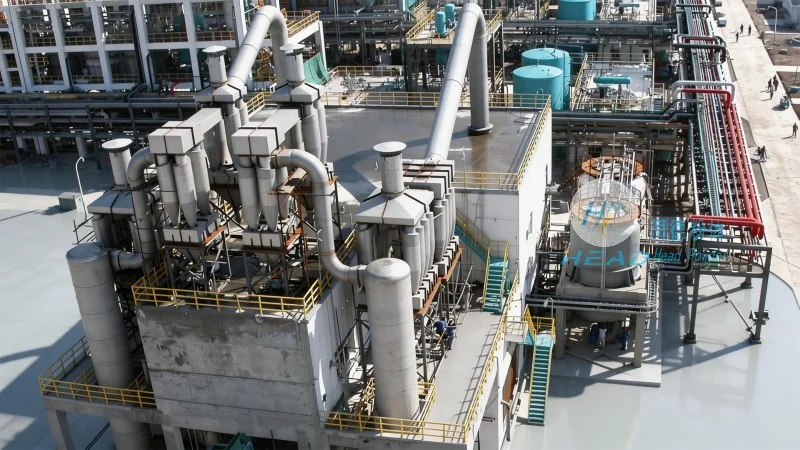
Applications and Industries Utilizing Fly Ash Pneumatic Conveying Systems
Pneumatic conveying equipment for fly ash is widely used in various industries where fly ash is a byproduct of coal combustion. These include power plants, cement manufacturing facilities, and industrial waste management operations. In power plants, the system is used to transport fly ash from the boiler to storage silos or for further processing. In cement plants, fly ash is often used as a supplementary cementitious material, and the conveying system ensures its efficient delivery to the mixing and grinding processes. The versatility of the system makes it suitable for handling fly ash in different forms, such as dry or wet, depending on the specific requirements of the application.
Maintenance and Troubleshooting for Optimal Performance
To ensure the long-term reliability and efficiency of a fly ash pneumatic conveying system, regular maintenance and proper troubleshooting are essential. Key maintenance tasks include checking and replacing air filter elements, inspecting and cleaning the conveying pipeline for blockages or corrosion, and maintaining the condition of the feeding and separation equipment. Regular inspections of the blower or compressor and the air supply system are also necessary to prevent performance issues. Troubleshooting common problems, such as reduced conveying capacity or increased pressure drop, often involves checking for material buildup in the pipeline, verifying the air supply pressure, and ensuring proper operation of the feeding and separation units. By following a proactive maintenance schedule and addressing issues promptly, the system can operate at peak efficiency, minimizing downtime and maximizing material throughput.
Conclusion: The Role of Advanced Pneumatic Conveying Systems in Modern Fly Ash Handling
In conclusion, pneumatic conveying equipment for fly ash is a sophisticated and essential technology in modern industrial operations. The structural components and operational principles of these systems are designed to provide efficient, reliable, and environmentally friendly transport of fly ash. As a leading manufacturer based in Shandong, China, HeadPowder continues to innovate and improve its pneumatic conveying systems to meet the evolving needs of the industry. By understanding the key components and operational mechanisms of such systems, users can make informed decisions about the selection and implementation of fly ash handling solutions that best suit their specific requirements. The continued development and application of advanced pneumatic conveying technology will undoubtedly play a vital role in optimizing fly ash utilization and contributing to sustainable industrial practices.




