Desulfurization fly ash, a byproduct of flue gas desulfurization processes in power plants and industrial facilities, requires efficient handling and transportation. Pneumatic conveying systems offer a reliable solution for transporting this material, ensuring safety, efficiency, and minimal environmental impact. This article provides an overview of the key components, structure, and operational principles of pneumatic conveying equipment designed for handling desulfurization fly ash.
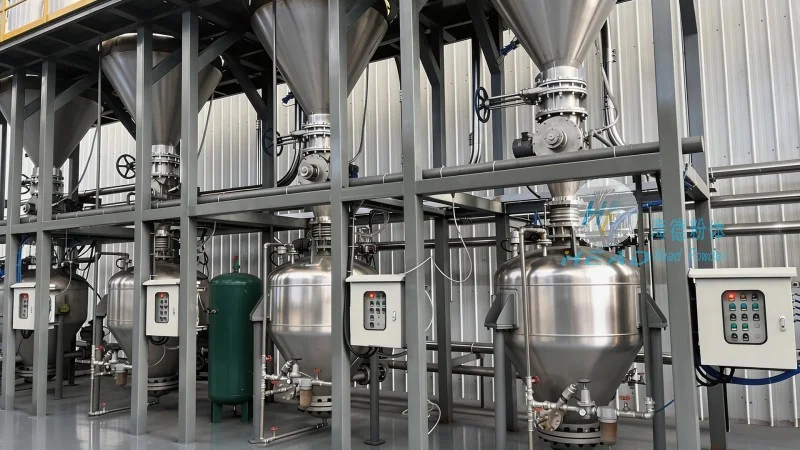
Overview of Pneumatic Conveying Systems for Desulfurization Fly Ash
Pneumatic conveying systems utilize air or gas to transport bulk materials like desulfurization fly ash through a pipeline network. These systems are widely adopted in the power and industrial sectors due to their ability to handle abrasive and dusty materials while minimizing the risk of dust emissions. The primary goal of such equipment is to transport fly ash from the desulfurization unit to storage silos, landfills, or other processing facilities with minimal operational costs and maximum reliability.
Key Components of Desulfurization Fly Ash Pneumatic Conveying Equipment
The pneumatic conveying system for desulfurization fly ash typically consists of several critical components that work in tandem to ensure smooth operation. These components include:
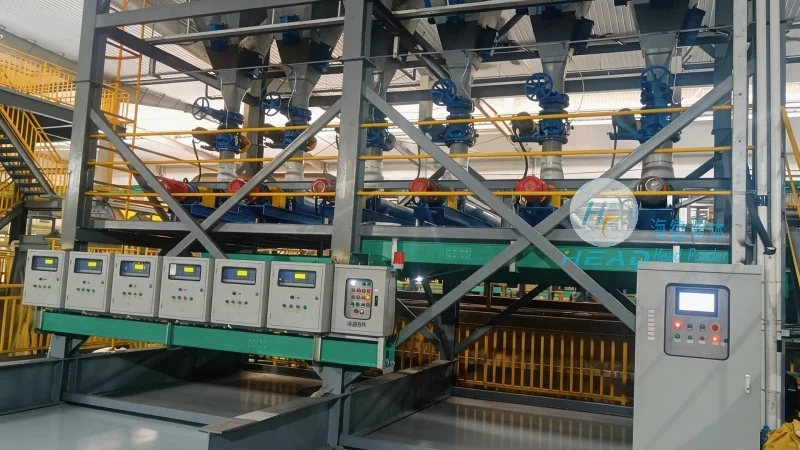
- Feeder: The feeder is responsible for feeding the fly ash into the conveying pipeline at a controlled rate. It ensures a consistent flow of material, preventing blockages and maintaining system efficiency.
- Pneumatic Conveying Pipe: The pipeline network forms the backbone of the system, transporting the fly ash from the source to the destination. The pipe is usually made of corrosion-resistant materials like stainless steel or high-density polyethylene to withstand the abrasive nature of fly ash.
- Blower or Air Compressor: The blower or air compressor generates the necessary air pressure to move the fly ash through the pipeline. The selection of the blower depends on the system's capacity, distance, and material characteristics.
- Separation and Collection System: This component separates the fly ash from the air stream and collects it in a designated container. It may include cyclones, filters, or baghouses to ensure that the material is properly captured and the air is cleaned before release.
- Control System: The control system monitors and regulates the operation of the entire conveying process. It includes sensors for flow rate, pressure, and temperature, as well as control valves and automation software to optimize performance and prevent system failures.
Working Principle of the Pneumatic Conveying System
The operation of the desulfurization fly ash pneumatic conveying system follows a sequential process. First, the fly ash is fed into the system by the feeder. The blower then generates a high-pressure air stream, which is introduced into the conveying pipe. The air and fly ash mixture travels through the pipeline, with the air providing the necessary force to move the material. At the destination, the separation system removes the fly ash from the air stream, and the air is either recycled or released after filtration. This process ensures that the fly ash is transported efficiently and safely, minimizing the risk of dust contamination and environmental pollution.
Advantages of Using Pneumatic Conveying for Desulfurization Fly Ash
Pneumatic conveying systems offer several advantages when handling desulfurization fly ash. These include:
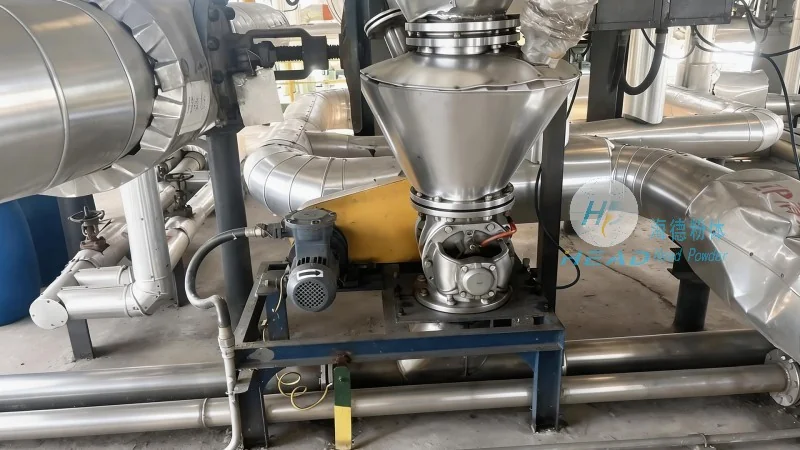
- Efficient Material Transport: The system can transport fly ash over long distances with minimal energy consumption, making it cost-effective for large-scale operations.
- Reduced Environmental Impact: By containing the material within a closed pipeline system, the risk of dust emissions and environmental contamination is significantly reduced.
- Flexible Installation: Pneumatic conveying systems can be installed in various configurations, including vertical, horizontal, or a combination of both, to suit the layout of the facility.
- Low Maintenance Requirements: With fewer moving parts compared to mechanical conveyors, the system requires less maintenance, reducing downtime and operational costs.
- Safe Handling of Hazardous Materials: The closed system ensures that the fly ash, which may contain hazardous substances, is handled safely, protecting personnel and the environment.
Applications and Industries
Desulfurization fly ash pneumatic conveying equipment is widely used in various industries, particularly in the power generation sector. It is essential for transporting fly ash from flue gas desulfurization units to storage facilities or for reuse in construction materials like cement and concrete. The equipment is also used in industrial plants that generate large quantities of fly ash, such as steel mills and chemical facilities.
Conclusion
Pneumatic conveying systems are a critical component in the handling and transportation of desulfurization fly ash. By understanding the structure and working principles of these systems, industries can optimize their operations, reduce costs, and minimize environmental impact. The reliable and efficient performance of pneumatic conveying equipment makes it an ideal choice for managing fly ash in modern power and industrial applications.




