Flaky graphite powder is a critical material in various industrial applications, including battery manufacturing, lubricants, and refractory materials. The efficient and reliable transportation of this fine powder is essential for maintaining production efficiency and product quality. Pneumatic conveying systems have emerged as a preferred solution for handling flaky graphite powder due to their ability to minimize material degradation and contamination. This article provides an overview of the flaky graphite powder pneumatic conveying equipment, focusing on its structure and working principles.
Key Components of the Pneumatic Conveying System
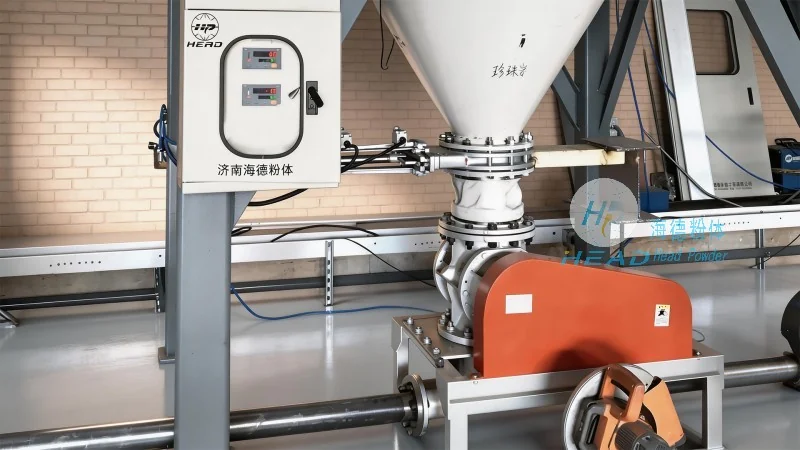
The pneumatic conveying equipment for flaky graphite powder typically consists of several key components that work in tandem to ensure smooth material transport. The primary components include the material hopper, feeder, air compressor, conveying pipeline, and receiver. Each component plays a crucial role in the overall operation of the system.
The material hopper is designed to store the flaky graphite powder and maintain a consistent feed rate. It is equipped with a level indicator to monitor the powder inventory and a discharge valve to control the flow of material into the feeder. The feeder, often a rotary valve or a screw feeder, regulates the amount of powder released into the conveying pipeline, ensuring a steady and controlled flow.
The air compressor is the heart of the pneumatic conveying system, providing the necessary pressure and airflow to move the powder particles through the pipeline. It is typically a positive displacement compressor, such as a rotary screw or a piston compressor, which can deliver the required air volume and pressure. The air compressor is connected to the conveying pipeline via a filter and regulator to ensure clean and stable air supply.
The conveying pipeline is a network of pipes that transports the flaky graphite powder from the hopper to the receiver. The pipeline is usually made of stainless steel or other corrosion-resistant materials to prevent contamination and ensure durability. The pipeline may include bends, elbows, and expansion joints to accommodate changes in direction and elevation. To minimize particle degradation, the pipeline is often equipped with smooth, low-friction surfaces and may include air knives or other devices to prevent material buildup.
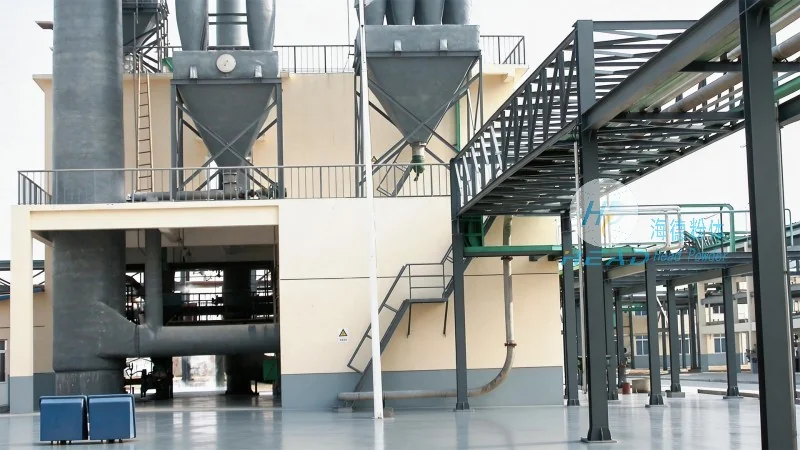
The receiver is the final component of the pneumatic conveying system, where the flaky graphite powder is deposited. It is typically a hopper or a storage tank, equipped with a discharge valve to control the release of the material. The receiver may also include a dust collection system to capture any fine particles that escape during the conveying process, ensuring environmental compliance and product purity.
Working Principle of the Pneumatic Conveying Process
The working principle of the flaky graphite powder pneumatic conveying system involves the use of compressed air to transport the powder particles through the pipeline. The process begins with the powder being fed from the hopper into the feeder, where it is mixed with the compressed air. The air-powder mixture is then introduced into the conveying pipeline, where the air velocity is sufficient to keep the particles suspended and move them along the pipeline.
As the air-powder mixture travels through the pipeline, the particles are kept in suspension by the airflow. The velocity of the air is maintained at a level that prevents the particles from settling or colliding with the pipeline walls, which could cause degradation or damage to the particles. The conveying system may use different types of airflow, such as positive pressure or negative pressure, depending on the application and the distance to be covered.
In positive pressure conveying, the air compressor pressurizes the entire pipeline, pushing the air-powder mixture through the system. This method is suitable for short to medium distances and is commonly used for handling fine powders like flaky graphite. In negative pressure conveying, the receiver is under a slight vacuum, and the air is drawn from the hopper and feeder, pulling the powder into the pipeline. This method is often used for longer distances or when the material needs to be transported from multiple sources.
The efficiency of the pneumatic conveying system depends on several factors, including the air velocity, the particle size and density of the flaky graphite powder, and the pipeline design. Proper design and maintenance of the system are crucial to ensure optimal performance and minimize energy consumption. Regular cleaning and inspection of the components, such as the hopper, feeder, and pipeline, are necessary to prevent material buildup and maintain the system's efficiency.
Advantages of Using Pneumatic Conveying for Flaky Graphite Powder
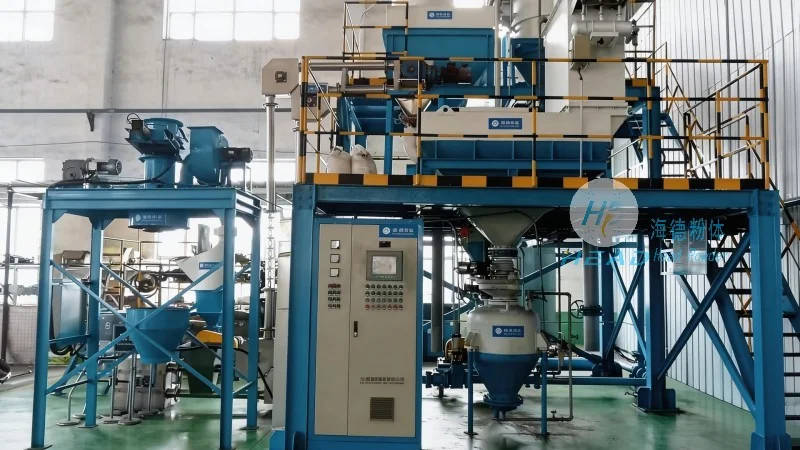
Pneumatic conveying systems offer several advantages over traditional methods of handling flaky graphite powder, such as bucket elevators or belt conveyors. One of the primary advantages is the ability to minimize material degradation and contamination. The enclosed pipeline prevents exposure to air, moisture, and other contaminants, which can affect the quality of the powder. Additionally, the system reduces the risk of dust explosions by containing the powder in a controlled environment.
Another advantage is the flexibility and scalability of the pneumatic conveying system. The equipment can be easily adjusted to handle different powder quantities and flow rates, making it suitable for various production scales. The system can also be integrated with other processes, such as mixing or packaging, to create a seamless production line. This integration improves overall efficiency and reduces labor costs.
The energy efficiency of the pneumatic conveying system is another key benefit. By using compressed air to transport the powder, the system can reduce the need for mechanical components, such as motors and gears, which consume more energy. The system can also be optimized to use the minimum amount of air required to achieve the desired conveying rate, further reducing energy consumption.
Finally, the pneumatic conveying system provides a safer working environment. The enclosed pipeline prevents dust from spreading in the workplace, reducing the risk of respiratory issues and other health hazards. The system also reduces the need for manual handling of the powder, which can be dangerous and cause ergonomic issues. Overall, the use of pneumatic conveying for flaky graphite powder offers significant benefits in terms of efficiency, safety, and product quality.




