HeadPowder, a prominent engineering firm headquartered in Shandong, China, specializes in the development and manufacturing of advanced pneumatic conveying systems that utilize acrylic rubber components. These systems are engineered to efficiently transport bulk materials through an air-driven mechanism, providing a safe and efficient solution for industries that require reliable material handling. The following sections delve into the equipment's structural design and operational principles, detailing key components and their functions to enhance understanding of the technology.
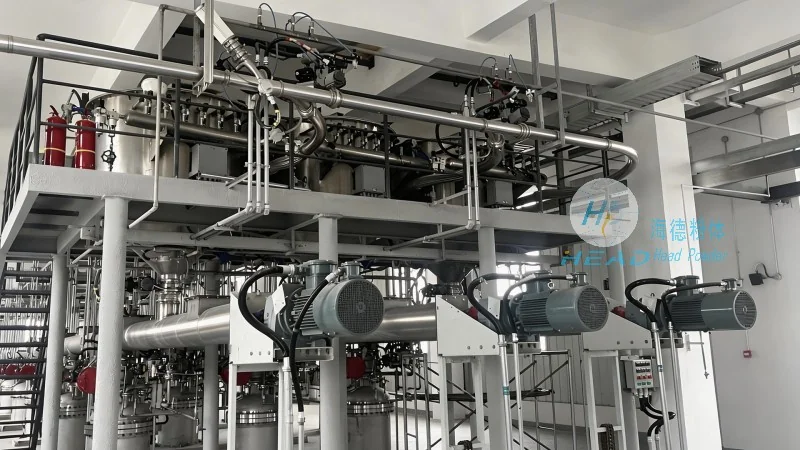
Key Structural Components and Their Functions
The acrylic rubber pneumatic conveying equipment comprises several critical components that work in unison to facilitate material transport. The primary components include: (1) Material Feed Hopper: This component holds the bulk material to be conveyed, ensuring a consistent supply to the system. (2) Air Supply System: This system generates the necessary air pressure and flow rate to propel the material through the pipeline. (3) Conveying Pipeline: The pipeline, often made from acrylic rubber or compatible materials, transports the material-air mixture. (4) Separation and Collection Unit: This unit separates the material from the air and collects the material in the destination container. (5) Control System: This system monitors and regulates the entire process, adjusting parameters like air pressure and flow to maintain optimal performance. Each component plays a vital role in ensuring the smooth and efficient operation of the system.
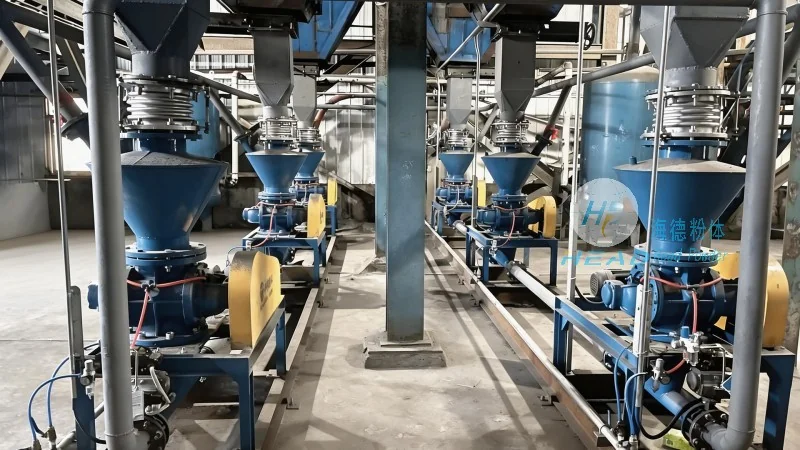
Working Principle of the Pneumatic Conveying Process
The operation of the acrylic rubber pneumatic conveying system follows a systematic process. Initially, the bulk material is fed into the hopper from the source. Simultaneously, the air supply system activates, generating a high-pressure air stream that is introduced into the conveying pipeline. As the air flows through the pipeline, it entrains the material particles, forming a mixture known as a "pneumatic slurry." This mixture travels through the pipeline under the force of the air pressure until it reaches the separation unit. In the separator, the air is released, and the material is collected in the receiving container, while the air is either recirculated or vented. The control system continuously adjusts the air pressure and flow rate to maintain consistent material flow and prevent blockages or other operational issues. This process ensures that the material is transported efficiently and safely from the source to the destination.
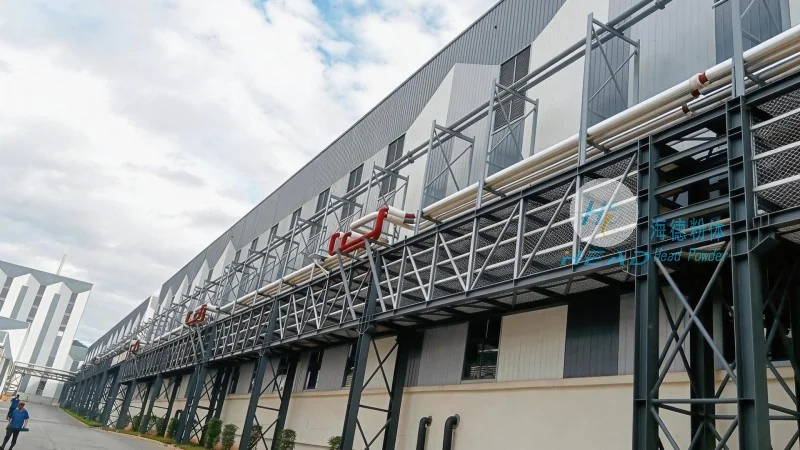
Advantages of Acrylic Rubber in Pneumatic Conveying Equipment
Acrylic rubber is selected for its superior properties that enhance the performance and durability of pneumatic conveying systems. Its high abrasion resistance makes it ideal for handling abrasive bulk materials, such as powders, granules, and fine particles, which can otherwise cause significant wear on traditional materials. Additionally, acrylic rubber exhibits excellent chemical resistance, allowing the equipment to withstand exposure to various corrosive substances commonly encountered in industrial applications. The material's flexibility and durability also contribute to reduced maintenance requirements and extended service life, making it a cost-effective solution for long-term material handling operations. Furthermore, acrylic rubber's ability to maintain its structural integrity under varying temperatures and pressures ensures consistent performance across diverse operational conditions.
Application-Specific Design Considerations
HeadPowder customizes the design of acrylic rubber pneumatic conveying equipment to meet the specific needs of different industries. For instance, in the pharmaceutical sector, the equipment is often configured with sanitary materials and sealed components to ensure compliance with GMP (Good Manufacturing Practice) standards, minimizing the risk of contamination. In the food processing industry, the system may incorporate stainless steel and food-grade materials to maintain hygiene and safety, ensuring that the equipment meets regulatory requirements. The company also offers customized solutions, such as varying pipeline diameters, different air pressure ranges, and specialized separation units, to accommodate diverse material characteristics and operational requirements. These tailored designs ensure that the equipment operates efficiently and safely in its intended application.
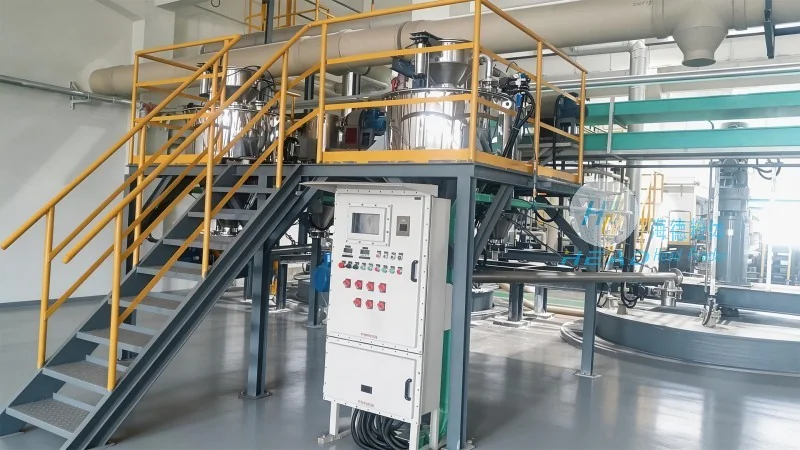
Maintenance and Operational Tips for Optimal Performance
To ensure the reliable and efficient operation of acrylic rubber pneumatic conveying equipment, regular maintenance is crucial. Routine checks should include inspecting the condition of the acrylic rubber components for signs of wear or damage, cleaning the hopper and pipeline to prevent material buildup, and verifying the air supply system's performance. Additionally, monitoring the air pressure and flow rate during operation helps identify potential issues early, such as blockages or reduced material flow. By adhering to these maintenance practices, users can maximize the equipment's lifespan and maintain consistent performance, ensuring smooth material handling processes. Furthermore, proper training of operators on the equipment's operation and maintenance can further enhance its performance and reduce downtime.




