For industries dealing with zinc oxide, efficient material handling is crucial for maintaining production efficiency and product quality. The pneumatic conveying system for zinc oxide, developed by Shandong HeadPowder Engineering Co., Ltd., offers a reliable solution that integrates advanced technology with practical application. This article provides an overview of the system's structure and working principles, highlighting its key components and operational mechanisms.
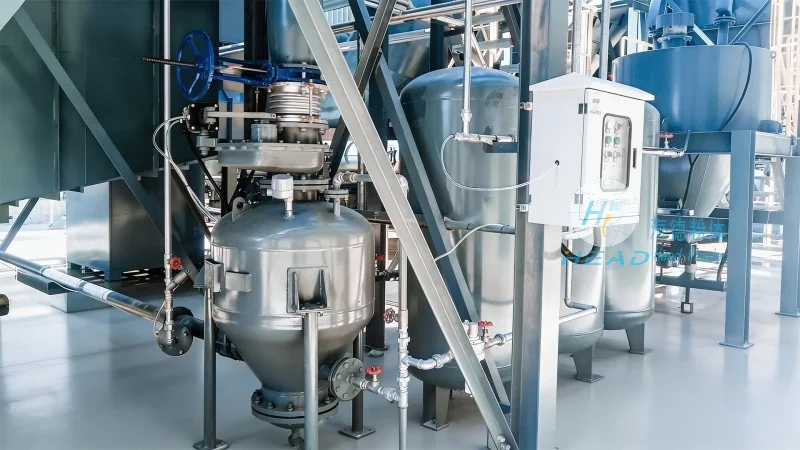
Overview of the Zinc Oxide Pneumatic Conveying System
The zinc oxide pneumatic conveying system is designed to transport zinc oxide powder from storage silos to processing equipment or packaging units. It operates on the principle of using air as a medium to move the material through a closed pipeline system. The system is typically composed of several core components, including a material feeder, air compressor, conveying pipeline, separation unit, and control system. Each component plays a vital role in ensuring the smooth and efficient transport of zinc oxide, minimizing material loss and maintaining consistent product quality.
Key Components and Their Functions
1. Material Feeder: The feeder is responsible for feeding zinc oxide powder from the storage silo into the conveying pipeline. It is designed to handle the specific flow characteristics of zinc oxide, ensuring a consistent and controlled feed rate. The feeder may include features such as a rotary valve or a screw conveyor to regulate the material flow, preventing blockages and maintaining a stable pressure in the system.
2. Air Compressor: The air compressor provides the necessary pressure and volume of air to move the zinc oxide particles through the pipeline. Depending on the system design, it can be a positive pressure or negative pressure system. Positive pressure systems use the compressor to force air into the pipeline, pushing the material forward, while negative pressure systems create a vacuum to draw the material into the pipeline. The choice of compressor type depends on factors like the distance of transport, the material's properties, and the required flow rate.
3. Conveying Pipeline: The pipeline is the main channel through which zinc oxide is transported. It is typically made of materials such as stainless steel or plastic, chosen for their resistance to corrosion and wear from the zinc oxide particles. The pipeline design includes bends, elbows, and straight sections, with appropriate fittings to ensure smooth flow and minimize pressure drop. The diameter and length of the pipeline are carefully selected to match the system's capacity and the specific requirements of the zinc oxide material.
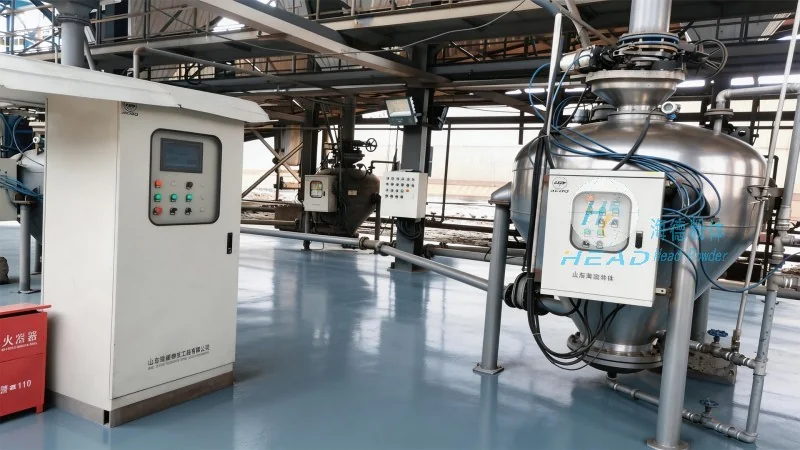
4. Separation Unit: At the receiving end of the conveying system, a separation unit is used to separate the zinc oxide powder from the air stream. This unit may include a cyclone separator or a bag filter, which uses centrifugal force or filtration to capture the powder and return it to the processing line. The separated air is then discharged or recirculated back into the system, depending on the design. The separation unit is critical for maintaining product purity and preventing dust contamination in the surrounding environment.
5. Control System: The control system monitors and regulates the operation of the entire pneumatic conveying system. It includes sensors to measure pressure, flow rate, and material level, as well as control valves and actuators to adjust the system parameters in real-time. The control system ensures that the system operates within safe and efficient parameters, preventing overpressure or underflow conditions. It also provides alarms and notifications for any abnormalities, allowing for quick response and maintenance.
Working Principle of the Pneumatic Conveying System
The operation of the zinc oxide pneumatic conveying system follows a sequential process that ensures the material is transported from the source to the destination efficiently. The process begins with the material feeder drawing zinc oxide from the storage silo and feeding it into the conveying pipeline. Simultaneously, the air compressor supplies the required air pressure to the pipeline. The air and material are then mixed and transported through the pipeline, with the air providing the necessary force to move the particles.
In a positive pressure system, the air compressor pushes air into the pipeline, creating a high-pressure environment that propels the zinc oxide particles forward. The particles are suspended in the air stream and travel through the pipeline, changing direction at bends and elbows with minimal loss of velocity. At the receiving end, the separation unit uses centrifugal force to separate the particles from the air, collecting the zinc oxide in a hopper or storage bin. The air is then filtered and either released to the atmosphere or recirculated back into the system.
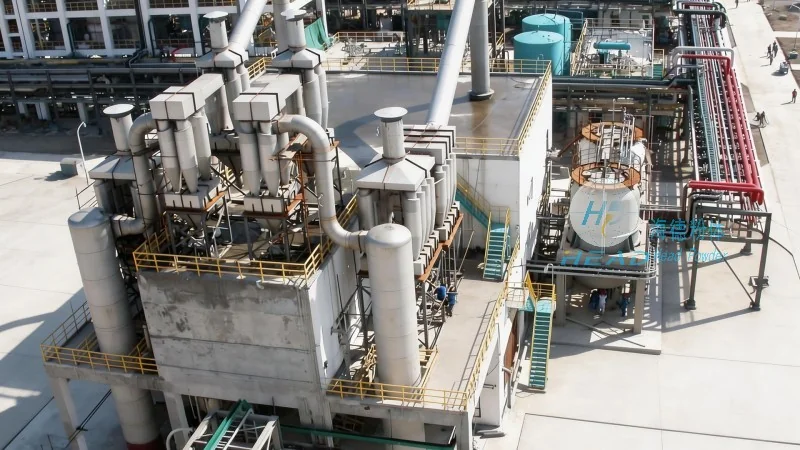
In a negative pressure system, the air compressor creates a vacuum in the pipeline, drawing the zinc oxide particles into the system. The material is drawn from the storage silo and mixed with the air as it enters the pipeline. The separation unit at the receiving end works similarly, separating the particles from the air and returning the powder to the processing line. Negative pressure systems are often preferred for applications where dust control is a priority, as they minimize the release of particles into the environment.
Advantages of the Zinc Oxide Pneumatic Conveying System
The pneumatic conveying system for zinc oxide offers several advantages over traditional material handling methods. First, it provides a closed system, which prevents dust contamination and ensures product purity. This is particularly important for zinc oxide, which is used in applications such as pharmaceuticals, rubber, and ceramics, where contamination can affect product quality and safety. Second, the system is highly efficient, with minimal material loss and consistent flow rates. This leads to improved production efficiency and reduced waste. Third, the system is flexible and can be easily integrated with existing production lines, allowing for seamless material transfer. Additionally, the system is compact and requires less floor space compared to traditional methods, making it suitable for facilities with limited space.
Applications and Industries
The zinc oxide pneumatic conveying system is widely used in various industries that require the handling of fine powders. In the pharmaceutical industry, it is used to transport zinc oxide for the production of tablets and capsules, where product purity is critical. In the rubber industry, it is used to feed zinc oxide into rubber compounding equipment, ensuring consistent mixing and quality of the final product. In the ceramics industry, it is used to transport zinc oxide for the production of ceramic glazes and pigments, where the material's properties are essential for the final product's appearance and durability. The system's versatility and reliability make it a preferred choice for industries that demand high-quality material handling solutions.
Conclusion
The zinc oxide pneumatic conveying system developed by Shandong HeadPowder Engineering Co., Ltd. is a sophisticated and efficient solution for handling zinc oxide powder. Its structure, which includes a material feeder, air compressor, conveying pipeline, separation unit, and control system, is designed to meet the specific requirements of zinc oxide transportation. The working principle, which can be either positive or negative pressure, ensures reliable and consistent material transport. The system's advantages, including closed operation, high efficiency, and flexibility, make it an ideal choice for industries that require high-quality material handling. As a leading provider of material handling solutions, Shandong HeadPowder Engineering Co., Ltd. continues to innovate and improve its systems to meet the evolving needs of the industry.




