The zinc calcine pneumatic conveying line is a specialized industrial system developed by Shandong HeadPowder Engineering Co., Ltd., a leading manufacturer based in Shandong, China. This equipment is designed to efficiently transport zinc calcine, a critical byproduct from the zinc smelting process, from processing units to storage or further treatment facilities. The system is engineered to meet the demanding requirements of modern metallurgical plants, ensuring high reliability, minimal maintenance, and adherence to safety standards. As a key component in the zinc production workflow, the pneumatic conveying line plays a vital role in optimizing material handling and improving overall plant efficiency.
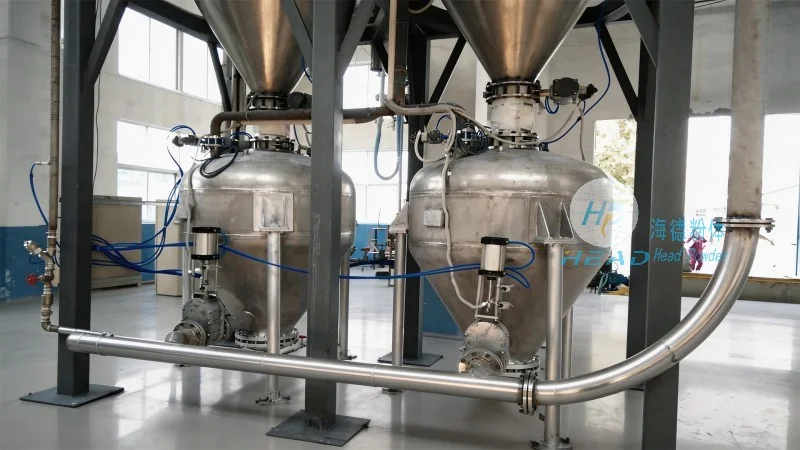
Key Components and Structure of the Pneumatic Conveying System
The zinc calcine pneumatic conveying line typically consists of several key components that work in concert to achieve effective material transport. The primary elements include a hopper for material storage, a rotary valve or feeder to control the flow of calcine, a pipeline network that carries the material, and a dust collection system to manage airborne particles. The hopper is usually equipped with a level indicator to monitor the material inventory, ensuring that the feeder operates at the optimal rate. The rotary valve, often a star valve or slide valve, regulates the discharge of calcine into the pipeline, preventing blockages and maintaining consistent flow. The pipeline itself is made of corrosion-resistant materials, such as stainless steel or special alloys, to withstand the acidic and abrasive nature of zinc calcine. Additionally, the system incorporates a series of bends, elbows, and expansion joints to accommodate changes in direction and accommodate thermal expansion, ensuring smooth material movement without damage to the equipment.
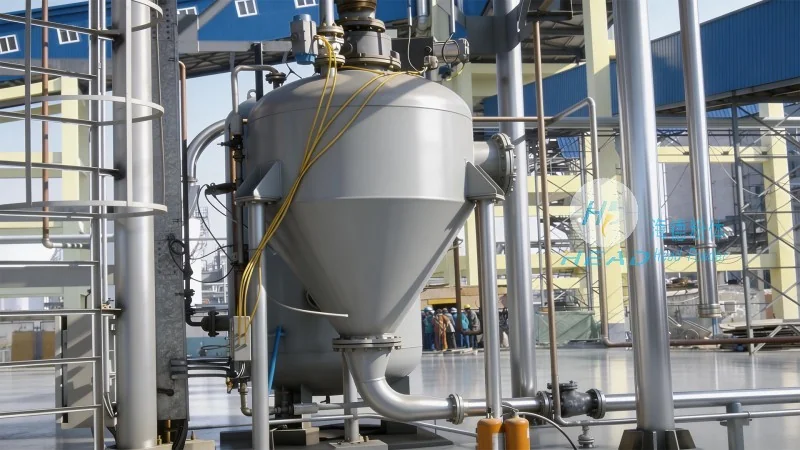
Working Principle of the Pneumatic Conveying Process
The operation of the zinc calcine pneumatic conveying line is based on the principle of pneumatic transport, where air is used to move the solid material through a pipeline. The process begins with the calcine being fed into the pipeline from the hopper, where it is mixed with a high-velocity stream of air. This air, often supplied by a positive displacement blower or a centrifugal fan, creates a low-pressure zone within the pipeline, which draws the calcine particles into the flow. The air and material mixture travels through the pipeline, with the air velocity maintained above the minimum required to prevent material settling or clogging. At the discharge end, the air and calcine are separated, typically using a cyclone separator or a bag filter, where the calcine is collected and the air is either recirculated or discharged to the atmosphere. The system is designed to handle both dilute phase and dense phase conveying, depending on the specific requirements of the plant. Dilute phase conveying uses higher air velocities to transport the material in a more dispersed state, while dense phase conveying uses lower velocities and higher material concentrations to minimize particle degradation and reduce wear on the pipeline.
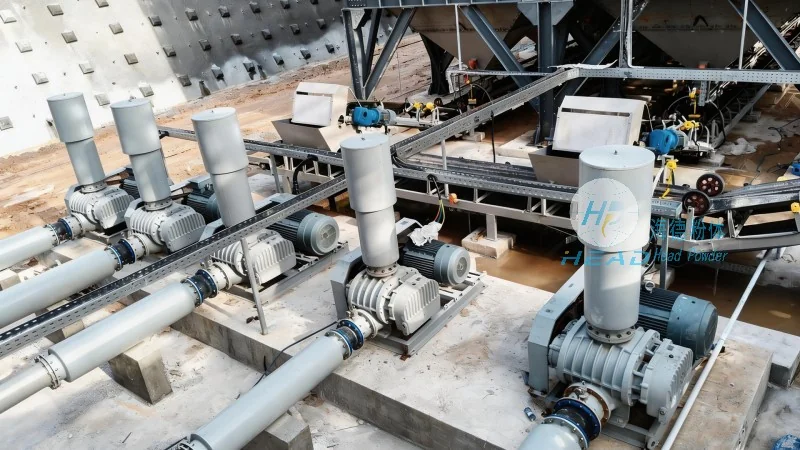
Advantages and Applications in Zinc Production
The zinc calcine pneumatic conveying line offers several advantages over traditional mechanical conveying methods, such as belt conveyors or bucket elevators. These advantages include higher efficiency in material transport, reduced labor costs due to automated operation, and improved safety by minimizing human exposure to the material. The system is particularly suitable for handling zinc calcine, which is often dusty and can be corrosive, as it eliminates the need for direct contact between the material and the conveyor components. This reduces maintenance requirements and extends the lifespan of the equipment. The line is widely used in zinc smelting plants, where it is employed to transport calcine from the roasting or calcination stages to the leaching or filtration units. It is also used in the processing of zinc oxide and other zinc-based products, where the material needs to be moved between different processing stages. The flexibility of the pneumatic conveying system allows it to be adapted to various plant layouts and production capacities, making it a versatile solution for zinc production facilities.
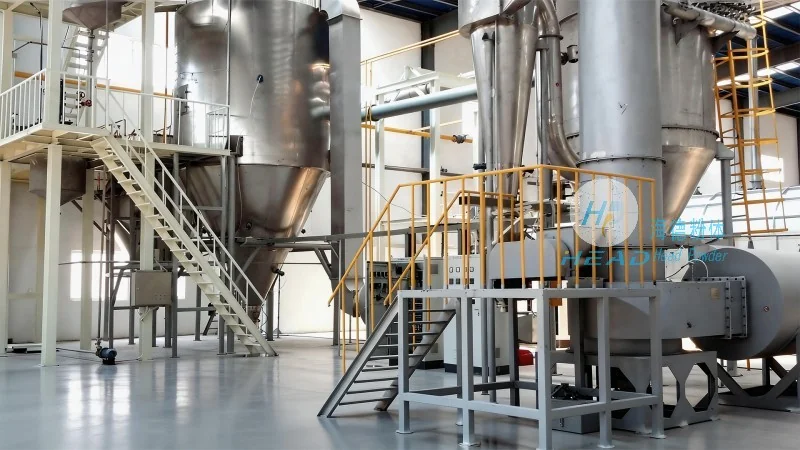
Maintenance and Operational Considerations
To ensure the reliable and efficient operation of the zinc calcine pneumatic conveying line, regular maintenance and proper operational practices are essential. The system requires periodic inspection of the hopper and feeder to prevent material buildup or blockages. The rotary valve and other moving parts should be lubricated and checked for wear to maintain smooth operation. The pipeline and fittings need to be inspected for signs of corrosion or damage, and any leaks should be repaired promptly to prevent material loss and air pressure loss. The dust collection system should be cleaned regularly to maintain its efficiency and prevent clogging. Operational considerations include monitoring the air pressure and flow rate to ensure optimal performance, and adjusting the feeder speed to match the production rate. Proper training of operators on the system's operation and safety procedures is also crucial to prevent accidents and ensure compliance with safety regulations. By following these maintenance and operational guidelines, the zinc calcine pneumatic conveying line can operate at peak efficiency, minimizing downtime and maximizing productivity.




