Calcite pneumatic conveying equipment is a specialized system designed for the efficient and safe transportation of calcite powder and other fine particulate materials. This equipment plays a crucial role in various industrial applications, particularly in the mining, chemical, and food processing sectors where the handling of delicate powders requires precision and reliability.
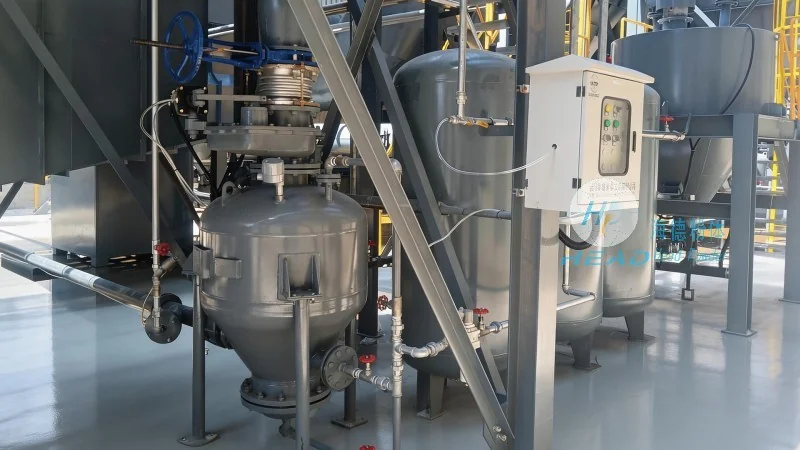
Company Profile: Shandong HeadPowder Engineering Co., Ltd.
HeadPowder, a leading manufacturer in the field of pneumatic conveying technology, is dedicated to providing high-quality calcite pneumatic conveying solutions. With a strong commitment to innovation and customer satisfaction, the company has established itself as a trusted partner for businesses seeking efficient material handling systems. HeadPowder is headquartered in Shandong, China, and its expertise spans the design, manufacturing, and installation of advanced pneumatic conveying equipment tailored to meet diverse industrial needs.
Structure and Components of Calcite Pneumatic Conveying Equipment
The calcite pneumatic conveying system typically consists of several key components that work in tandem to ensure smooth material transport. The primary components include a feeding hopper, a rotary valve or feeder, a conveying pipe network, a dust collector or filter system, and a discharge outlet. The feeding hopper is responsible for storing the calcite powder and controlling the flow rate into the system. The rotary valve or feeder ensures a consistent and controlled discharge of the material into the conveying pipe. The conveying pipe network, often made of stainless steel or other corrosion-resistant materials, is designed to handle the pressure and flow requirements of the pneumatic system. The dust collector or filter system is crucial for maintaining air quality and preventing dust emissions, which is essential for compliance with environmental regulations and workplace safety standards. The discharge outlet allows the calcite powder to be deposited in the desired location, such as a storage silo or processing unit.
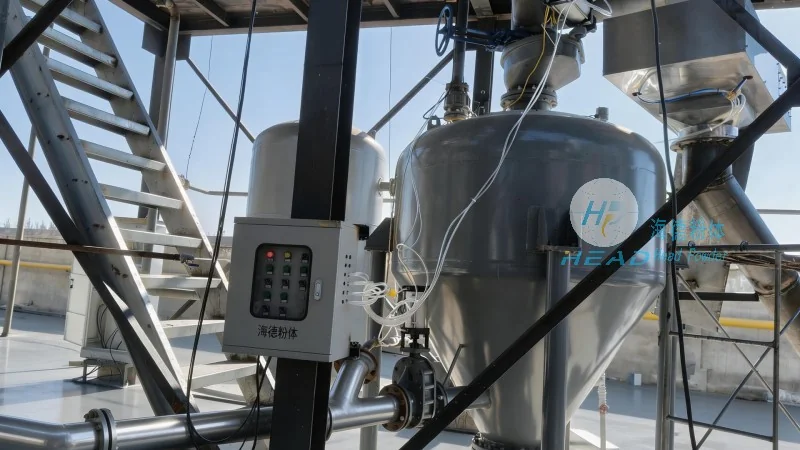
Working Principle of the Pneumatic Conveying System
The operation of the calcite pneumatic conveying equipment is based on the principle of air movement to transport the material. The system uses a blower or compressor to generate a high-pressure air stream that flows through the conveying pipe. As the air moves through the pipe, it picks up the calcite powder from the feeding hopper and carries it to the discharge point. The air velocity is carefully controlled to ensure that the powder particles are suspended in the air stream without settling or clogging the pipe. The pressure and flow rate are adjusted based on the characteristics of the calcite powder, such as particle size, density, and moisture content, to optimize the conveying efficiency. The system may also include a vacuum or pressure mode, depending on the application, to handle different material handling scenarios. The overall process is automated and can be integrated with other industrial processes, such as mixing, grinding, or packaging, to form a complete production line.
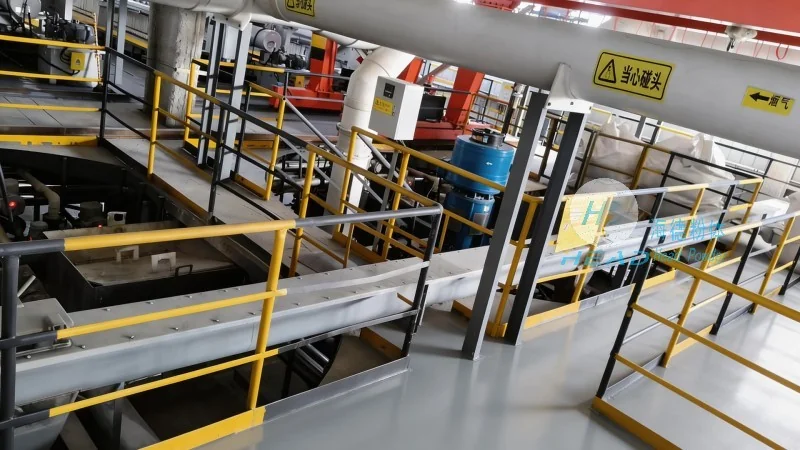
Advantages of Using Calcite Pneumatic Conveying Equipment
There are several advantages associated with the use of calcite pneumatic conveying equipment in industrial applications. One of the key benefits is the ability to transport calcite powder over long distances without the need for intermediate storage or handling. This reduces the risk of material contamination and improves overall production efficiency. The system is also highly flexible, as it can be easily adjusted to handle different quantities of material or different types of powders. Additionally, the equipment is designed to minimize dust emissions and maintain a clean working environment, which is important for both employee health and regulatory compliance. The automated nature of the system reduces the need for manual labor, leading to lower labor costs and increased safety. Furthermore, the use of corrosion-resistant materials in the construction of the conveying pipe and components ensures the longevity and durability of the equipment, reducing maintenance and replacement costs over time.
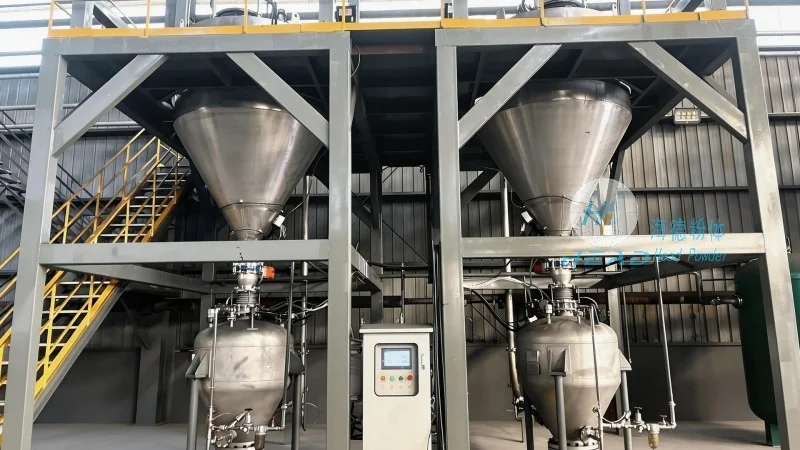
Applications in Industrial Sectors
Calcite pneumatic conveying equipment is widely used in various industrial sectors due to its versatility and efficiency. In the mining industry, it is used to transport calcite ore from the extraction site to processing facilities. In the chemical industry, it is employed to handle calcite as a raw material for the production of calcium carbonate products, such as fillers, coatings, and pigments. The food processing industry also utilizes this equipment to transport calcite powder used as a food additive or filler in various food products. Additionally, the equipment is used in the pharmaceutical industry for the handling of calcite-based excipients or fillers in the production of tablets and capsules. The consistent and controlled transport of calcite powder ensures that the final products meet quality standards and regulatory requirements.
Maintenance and Operational Considerations
Proper maintenance and operational considerations are essential to ensure the optimal performance and longevity of the calcite pneumatic conveying equipment. Regular inspection of the conveying pipe and components for signs of wear or damage is necessary to prevent leaks or blockages. The rotary valve and feeder should be cleaned and lubricated as per the manufacturer's recommendations to maintain smooth operation. The dust collector or filter system should be checked and cleaned regularly to prevent clogging and ensure efficient air filtration. The blower or compressor should be maintained to ensure consistent air pressure and flow. Additionally, the system should be monitored for any changes in material flow or air pressure, as these can indicate potential issues that need to be addressed promptly. Proper training of operators on the safe and efficient operation of the equipment is also crucial to prevent accidents and ensure compliance with safety regulations.




