Shandong HeadPowder Engineering Co., Ltd., commonly known as headpowder, is a professional manufacturer and supplier of pneumatic conveying systems, specializing in equipment for the poultry feed industry. The company is headquartered in Shandong, China, and has established a strong reputation for delivering high-quality, efficient, and reliable pneumatic conveying solutions tailored to the needs of the poultry feed sector.
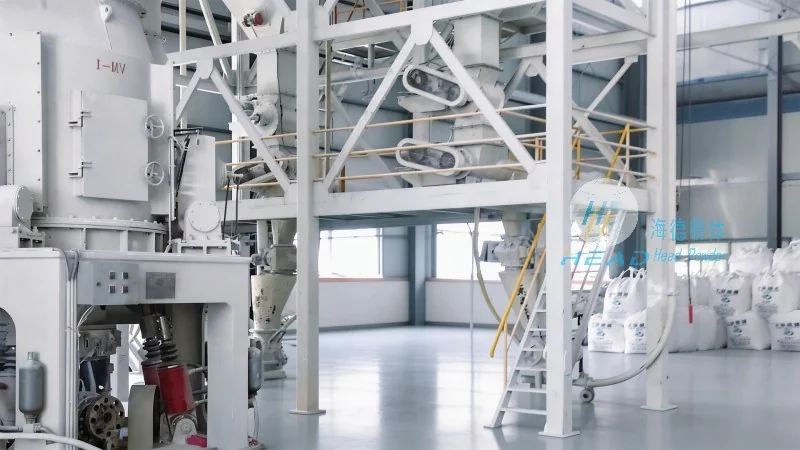
Overview of Poultry Feed Pneumatic Conveying System Equipment
The poultry feed pneumatic conveying system is a critical piece of equipment used in feed mills and processing facilities to transport bulk materials such as feed pellets, powders, and additives. This system utilizes air or gas to move material through a pipeline network, eliminating the need for mechanical components like conveyor belts or buckets. The primary goal of this equipment is to enhance operational efficiency, reduce labor costs, and improve material handling safety in feed production processes.
Structural Principles of the Pneumatic Conveying System
The pneumatic conveying system consists of several key components that work in tandem to achieve efficient material transport. These components include a feeding hopper, a rotary valve, a compressor or blower, a pipeline system, and a discharge unit. The feeding hopper is responsible for storing and feeding the bulk material into the system. The rotary valve acts as a control mechanism, regulating the flow of material from the hopper to the pipeline. The compressor or blower generates the necessary air pressure to move the material through the pipeline. The pipeline system is designed to transport the material from the feeding point to the discharge point, often with bends and elbows to navigate the layout of the facility. Finally, the discharge unit collects the material at the end of the pipeline and delivers it to the next processing stage.
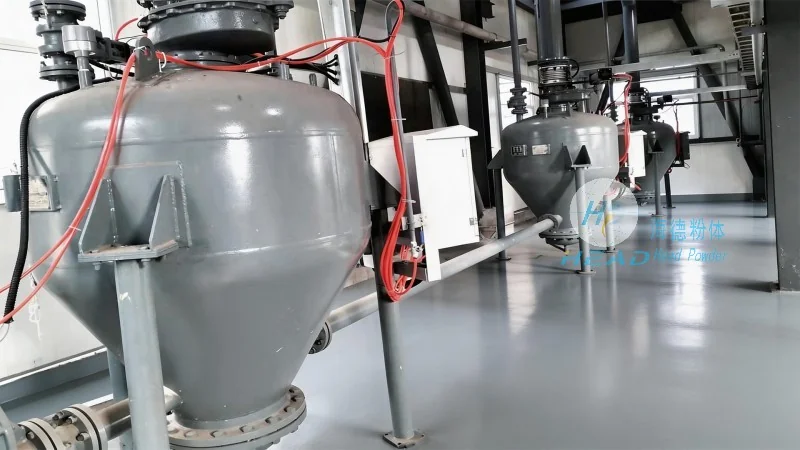
Key Components and Working Mechanism
Each component of the pneumatic conveying system plays a vital role in its overall operation. The feeding hopper is typically made of durable materials such as stainless steel to ensure resistance to corrosion and wear from the feed materials. The rotary valve is a critical control device that allows for precise regulation of material flow, preventing overfeeding or underfeeding that could disrupt the system's performance. The compressor or blower is responsible for generating the air pressure required to move the material; the choice of equipment depends on the material's characteristics, such as density and moisture content, as well as the distance and height of the transport. The pipeline system is constructed from materials like stainless steel or PVC, selected based on the material being conveyed and the operating conditions. The discharge unit may include a filter or separator to remove any air or dust from the material before it is discharged, ensuring a clean and consistent feed product.
Advantages of Poultry Feed Pneumatic Conveying Systems
Implementing a pneumatic conveying system in poultry feed production offers numerous advantages over traditional mechanical conveying methods. These systems provide a hygienic and enclosed environment, reducing the risk of contamination from external sources and minimizing dust exposure for operators. The enclosed pipeline design also helps to control odors and prevent material loss during transport. Additionally, pneumatic conveying systems are highly flexible, allowing for easy reconfiguration of the pipeline layout to accommodate changes in facility design or production needs. The use of air as the conveying medium enables faster material transport compared to mechanical systems, leading to increased production throughput and reduced downtime. Furthermore, these systems are energy-efficient, as they can operate with lower power consumption compared to other bulk material handling solutions.
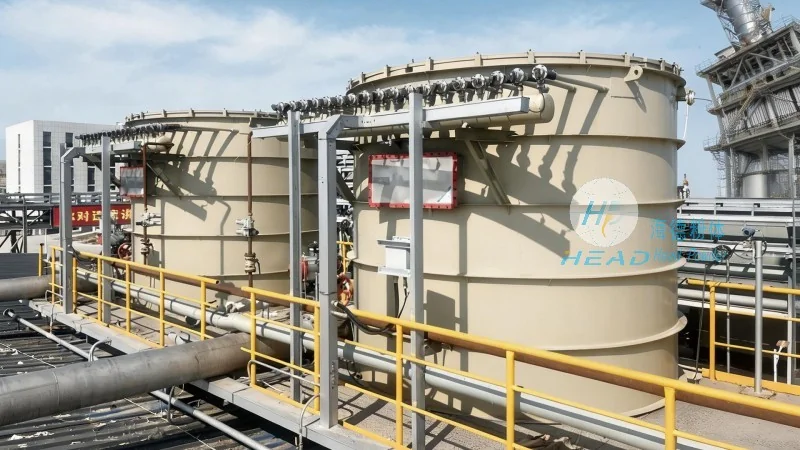
Applications in Poultry Feed Processing
Poultry feed pneumatic conveying systems are widely used in various stages of feed processing, from raw material handling to finished product distribution. In the raw material stage, the system can transport ingredients such as corn, soybean meal, and minerals from storage silos to the mixing and grinding areas. During the mixing process, the system can convey the blended feed to the pelletizing or extrusion equipment. After processing, the finished feed pellets are conveyed to storage silos or packaging areas for distribution to farms. The versatility of the pneumatic conveying system makes it suitable for handling different types of feed materials, including powders, pellets, and additives, ensuring consistent quality and uniformity throughout the production process.
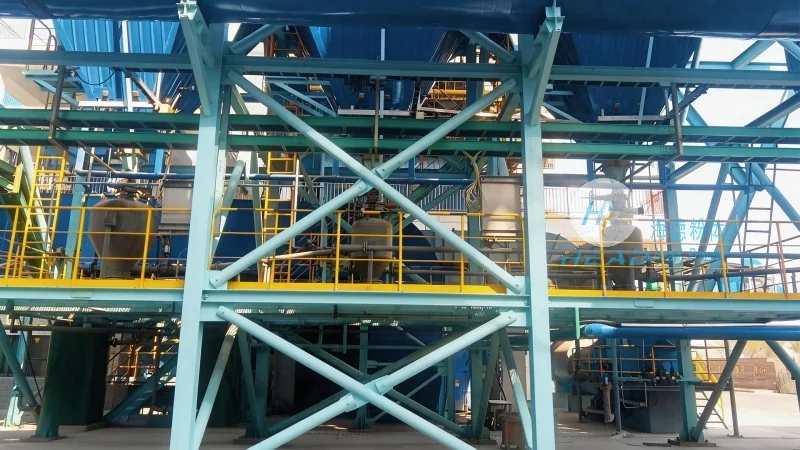
Maintenance and Operational Considerations
To ensure the long-term reliability and efficiency of the pneumatic conveying system, regular maintenance is essential. This includes checking the condition of the pipeline for any leaks or blockages, inspecting the compressor or blower for proper operation, and cleaning the feeding hopper and discharge unit to prevent material buildup. Proper maintenance can extend the lifespan of the equipment and minimize the risk of breakdowns that could disrupt production. Additionally, operators should monitor the system's performance parameters, such as air pressure and material flow rate, to identify any deviations from normal operation and address them promptly. By following recommended maintenance procedures and operational guidelines, users can maximize the system's performance and ensure consistent feed quality.
Conclusion
Shandong HeadPowder Engineering Co., Ltd. provides comprehensive pneumatic conveying system solutions for the poultry feed industry, combining advanced technology with robust design to meet the demanding requirements of feed production. The structural principles and components of these systems are engineered to deliver efficient, hygienic, and reliable material handling, contributing to improved productivity and product quality in poultry feed processing facilities. By leveraging the expertise of headpowder, feed manufacturers can enhance their operational efficiency and stay competitive in the market.




