Efficient and reliable material handling is a critical aspect of modern food processing operations, particularly when dealing with delicate ingredients like baking powder. The pneumatic conveying system, specifically designed for baking powder, represents a sophisticated solution that ensures safe, clean, and efficient transportation of this essential ingredient. This article provides an overview of the equipment used in such systems, detailing its structural components and the underlying principles that enable its operation.
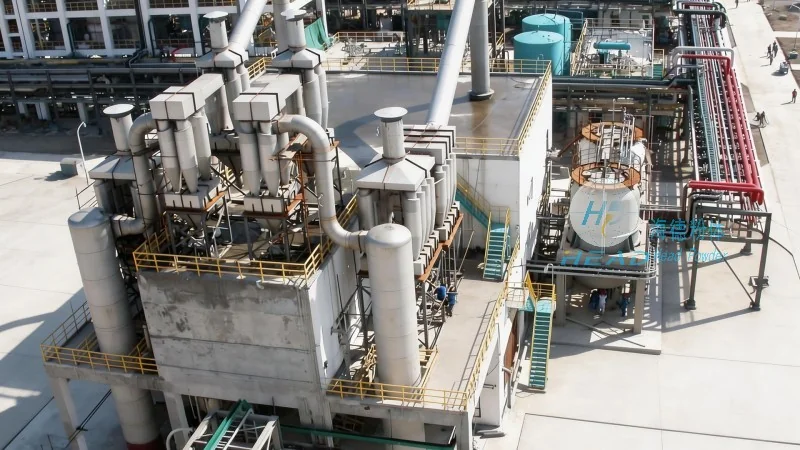
Overview of the Baking Powder Pneumatic Conveying System
The pneumatic conveying system for baking powder is a specialized piece of equipment engineered to transport dry, powdery materials through a pressurized or vacuum environment. It is widely adopted in the food industry due to its ability to maintain product integrity, prevent contamination, and ensure consistent flow rates. The system typically consists of several key components that work in tandem to achieve effective material transfer. These components include a hopper for material storage, a conveyor line (often made of stainless steel to meet hygiene standards), a control system for pressure regulation, and a dust collection unit to manage airborne particles. The design of the system is tailored to handle the unique properties of baking powder, such as its fine particle size and potential for caking, ensuring that the material remains in optimal condition throughout the conveying process.
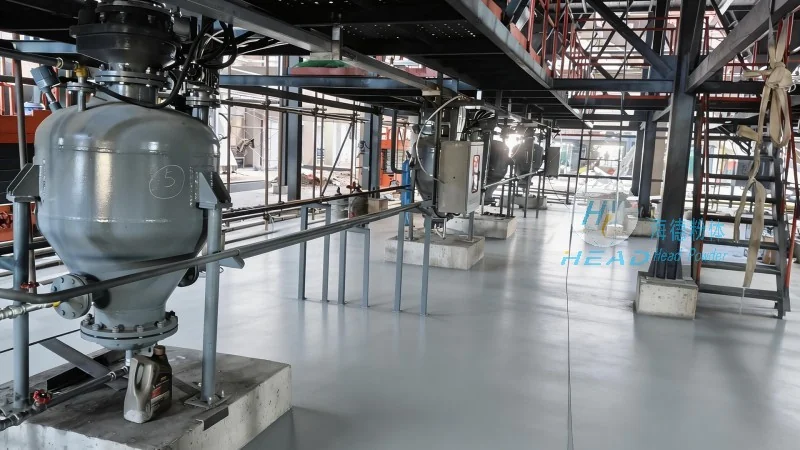
Structural Components of the Pneumatic Conveying Equipment
The structural design of the pneumatic conveying system for baking powder is built around durability, hygiene, and operational efficiency. The hopper, which serves as the initial storage container, is constructed from high-quality stainless steel or food-grade materials to prevent contamination and corrosion. It is equipped with a discharge valve that allows for controlled release of the material into the conveyor line. The conveyor line itself is a flexible or rigid tube, depending on the system configuration, and is often lined with smooth surfaces to minimize friction and prevent material buildup. The control system, which includes pressure sensors and valves, regulates the air flow and pressure within the system, ensuring that the material is transported at the desired speed and without excessive pressure that could damage the product. Additionally, a dust collection system is integrated to capture any fine particles that may escape during the conveying process, maintaining air quality and compliance with environmental regulations.
Working Principle of the Pneumatic Conveying System
The operation of the pneumatic conveying system for baking powder is based on the fundamental principle of using air to move material through a closed system. There are two primary types of pneumatic conveying systems: pressure and vacuum. In a pressure system, compressed air is introduced into the hopper, creating a positive pressure that forces the baking powder into the conveyor line. The air and material mixture then travels through the line to the discharge point, where the air is separated from the product and the air is either recirculated or vented. In a vacuum system, a vacuum pump creates a negative pressure that draws the baking powder from the hopper into the conveyor line. Both systems rely on the velocity of the air to lift and transport the material, with the air flow rate being carefully controlled to maintain a consistent flow without causing excessive wear on the equipment or degradation of the product.
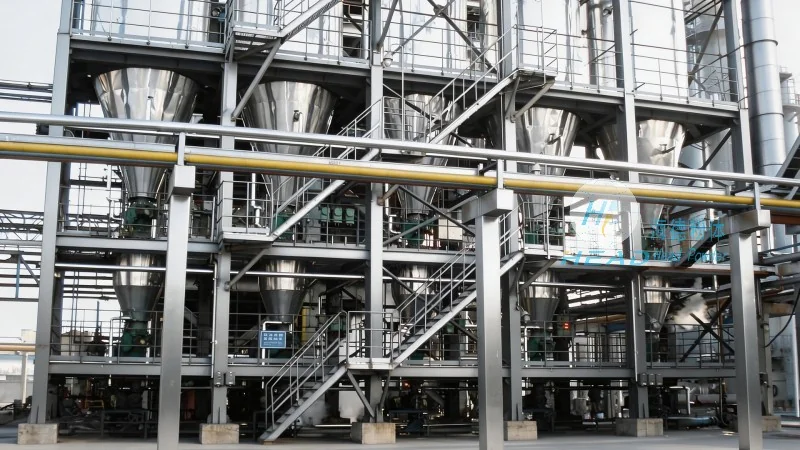
Advantages of Using Pneumatic Conveying for Baking Powder
Implementing a pneumatic conveying system for baking powder offers several advantages over traditional methods such as belt conveyors or manual handling. Firstly, it provides a hygienic and enclosed environment, reducing the risk of contamination from external sources and minimizing the exposure of the product to air and moisture. This is particularly important for baking powder, which is sensitive to moisture and can lose its effectiveness if exposed to humidity. Secondly, the system allows for precise control over the flow rate and pressure, ensuring consistent and uniform delivery of the material to the production line. This consistency is crucial for maintaining product quality and meeting strict regulatory standards. Thirdly, the system is compact and can be integrated into existing production facilities with minimal modifications, making it a cost-effective solution for businesses looking to upgrade their material handling capabilities. Additionally, the enclosed design reduces dust emissions, improving workplace safety and environmental compliance.




