HeadPowder, the abbreviation for Shandong HeadPowder Engineering Co., Ltd., is a professional manufacturer and supplier of pneumatic conveying equipment. The company is headquartered in Shandong, China, and has established itself as a leading provider of reliable and efficient bulk material handling solutions. With years of experience in the industry, HeadPowder specializes in designing and manufacturing pneumatic conveying systems tailored for various applications, including the handling of dry soybeans. The company's commitment to quality and customer satisfaction has made it a trusted partner for businesses in the agricultural and food processing sectors.
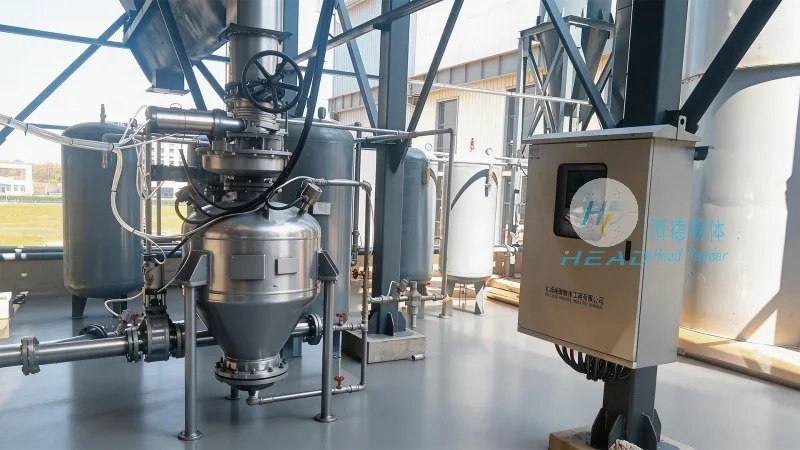
Introduction to Dry Soybean Pneumatic Conveying System
The dry soybean pneumatic conveying system is a sophisticated piece of equipment designed to transport dry soybeans from one location to another with precision and efficiency. This system is particularly valuable in the food processing industry, where the safe and hygienic handling of raw materials is paramount. The system eliminates the need for manual handling and traditional mechanical conveyors, which can be prone to material loss and contamination. By utilizing air as the primary transport medium, the system ensures that the soybeans are conveyed in a clean and controlled environment, maintaining their quality and integrity throughout the process.
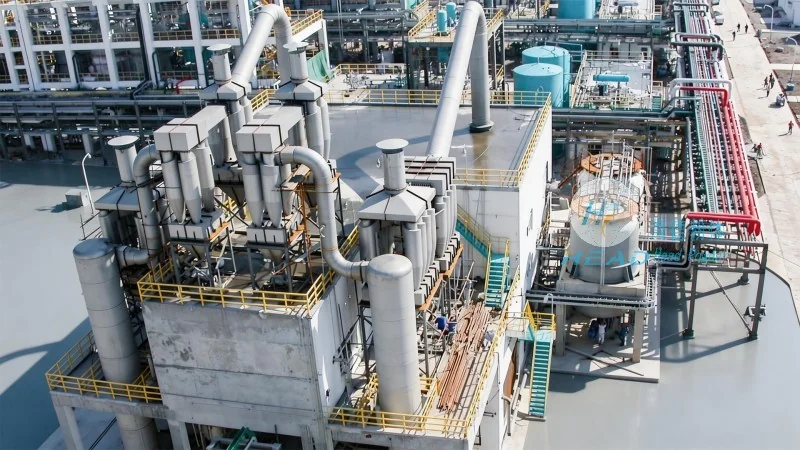
Key Components and Their Functions
The dry soybean pneumatic conveying system comprises several essential components, each playing a critical role in the overall operation. The primary components include the material hopper, which serves as the storage and feeding unit, holding the dry soybeans and regulating the flow rate. The feeder, typically a rotary valve or a screw feeder, controls the discharge of soybeans from the hopper into the pipeline. The air compressor or blower generates the necessary air pressure to create the conveying air stream. The pipeline system, made of durable materials such as stainless steel or PVC, transports the soybeans and air mixture. The receiver or discharge unit collects the soybeans at the destination, completing the conveying process. Each component is carefully designed and manufactured to ensure durability, efficiency, and compliance with industry standards.
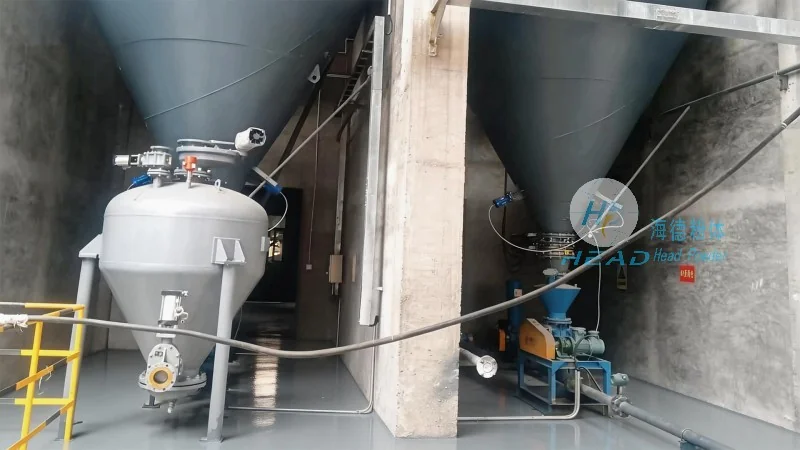
Structural Principles and Working Mechanism
The structural principles of the dry soybean pneumatic conveying system are based on the fundamental principles of pneumatic transport. The system operates by creating a low-pressure or high-pressure air flow within the pipeline. The soybeans are introduced into the hopper and then fed into the pipeline through the feeder. The air compressor then supplies the required air pressure, which lifts and transports the soybeans through the pipeline. The velocity of the air and the size of the soybeans determine the type of conveying system, such as dilute-phase or dense-phase. In a dilute-phase system, the air-to-material ratio is high, and the material is suspended in the air stream, allowing for high-speed transport over long distances. In a dense-phase system, the air-to-material ratio is lower, and the material is conveyed in a more compact form, reducing the risk of material degradation. The system is designed to maintain the appropriate air pressure and flow rate to ensure optimal conveying performance and minimize energy consumption.
Advantages and Benefits
Implementing a dry soybean pneumatic conveying system offers numerous advantages for businesses in the agricultural and food processing industries. Firstly, the system provides a dust-free and hygienic method of transporting soybeans, which is crucial for maintaining product quality and meeting stringent food safety regulations. Unlike traditional mechanical conveyors, the pneumatic system does not come into direct contact with the material, reducing the risk of contamination and cross-contamination. Secondly, the system is capable of transporting soybeans over long distances and multiple levels, eliminating the need for multiple transfer points and reducing the overall footprint of the facility. This not only saves space but also improves operational efficiency. Thirdly, the system is highly flexible and can be easily integrated with other processing equipment, such as grinding mills, extruders, or storage silos. This integration allows for a seamless flow of operations, from raw material handling to final product processing. Additionally, the system is energy-efficient and can be customized to meet the specific requirements of the user, making it a cost-effective solution for soybean handling and transportation.
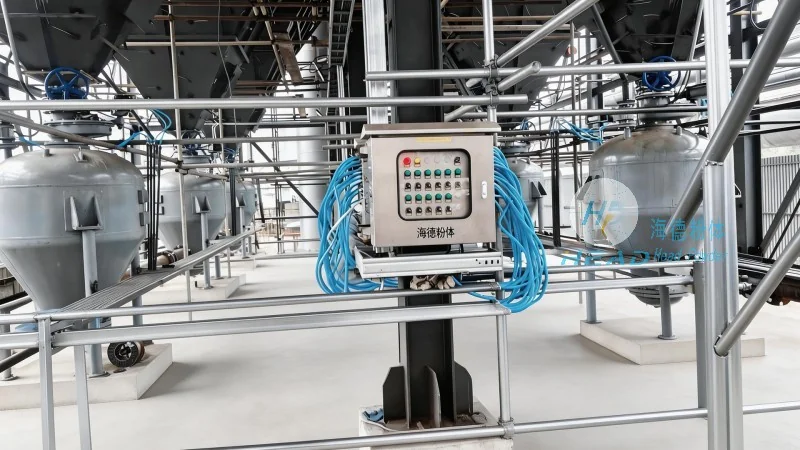
Application Examples and Industry Use Cases
The dry soybean pneumatic conveying system is widely used in various applications across the food processing and agricultural sectors. In soy milk production, the system is used to transport dry soybeans from storage silos to the grinding and cooking stages. The system ensures a continuous and consistent supply of soybeans, maintaining the quality of the final product. In tofu making, the system is employed to move soybeans from the grinding stage to the curdling and pressing processes. The efficient transport of soybeans helps in achieving uniform curdling and better product consistency. In soy protein extraction, the system is used to convey soybeans from the extraction plant to storage or for further processing. The system's ability to handle large volumes of material efficiently makes it ideal for these high-volume applications. Additionally, the system is used in agricultural processing facilities to move soybeans from fields to storage facilities or to processing plants, ensuring timely and efficient handling of the crop.




